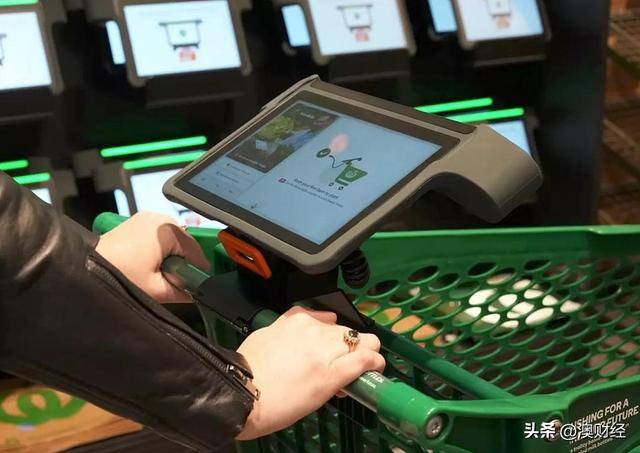
自助收银机

Search documents
Diebold Nixdorf (NYSE:DBD) FY Conference Transcript
2025-11-19 16:17
Diebold Nixdorf Conference Call Summary Company Overview - **Company**: Diebold Nixdorf (NYSE: DBD) - **Industry**: Banking and Retail Technology Solutions Key Points and Arguments Company Positioning - Diebold Nixdorf is the leading player in global banking and retail self-checkout solutions, particularly in Europe [2][5] - The company has a strong backlog of approximately $920 million, indicating good revenue visibility for the next two quarters [3] Financial Performance - The company is on track to nearly double its free cash flow generation in 2025, with a commitment to return the majority to shareholders through a $200 million share repurchase program [4][32] - In Q3, Diebold Nixdorf reported a 2% year-over-year revenue growth and an adjusted EPS of $1.39, up more than $1 year-over-year [22] - The retail segment saw a 40% year-over-year order entry growth, with revenue up 8% [23] Product and Service Insights - The ATM business is stable, with an annual shipment of approximately 60,000 units expected to continue for the next six years [9] - The introduction of teller cash recyclers is a significant growth opportunity, aimed at reducing operational costs for banks [10][11] - The company has a 90%+ attach rate for services sold with products, with 70% of service revenue being recurring [3][12] Market Dynamics - The retail sector is recovering post-COVID, with growth opportunities particularly in North America, which is larger than the European market [13][15] - AI software developed by Diebold Nixdorf is effectively reducing theft at self-checkouts by 70% and improving customer experience through features like age verification and produce recognition [15][16][18] Strategic Initiatives - The company is focusing on a "local-for-local" manufacturing strategy to mitigate tariff impacts, which are estimated to be between $5-$10 million [5][6] - Diebold Nixdorf is enhancing operational efficiency through improved working capital management, with significant improvements in Days Sales Outstanding (DSO) and Days Inventory Outstanding (DIO) [28] Future Outlook - The company anticipates flat to low single-digit revenue growth in 2025, accelerating to mid-single-digit growth by 2027 [30] - Free cash flow conversion rates are projected to improve from 40% in 2025 to 60% by 2027 [31] - The company maintains a strong balance sheet with a net leverage ratio of 1.6, well within its target range [33] Capital Allocation - Diebold Nixdorf plans to continue prioritizing share repurchases over large acquisitions, focusing on small, bolt-on, and immediately accretive opportunities [35] Additional Important Insights - The company has undergone significant operational changes to improve cash flow management and reduce inventory buildup, which had previously been a challenge [42][43] - The recent S&P credit upgrade to B+ reflects the company's improved free cash flow generation and overall financial health [24] This summary encapsulates the key insights from the Diebold Nixdorf conference call, highlighting the company's strategic positioning, financial performance, product innovations, and future growth prospects.

澳洲超市自助收银成趋势,自助结账恐成为历史
Sou Hu Cai Jing· 2025-06-03 03:13
Core Viewpoint - The continuous investment in digital innovation by major Australian supermarkets is leading to a decline in traditional cashier interactions, with self-checkout becoming increasingly prevalent [1][3]. Group 1: Self-Checkout Adoption - Self-checkout is rapidly gaining popularity across Australia, with a noticeable reduction in traditional cashier lanes since Coles introduced self-checkout machines in 2004 and Woolworths followed in 2008 [3]. - The COVID-19 pandemic accelerated the shift towards self-service as customers sought to maintain social distance, resulting in a surge in self-checkout usage [3]. - Woolworths launched the Scan&Go trolley in Sydney last August, while Coles is experimenting with AI-driven smart trolleys to allow real-time tracking of purchases without queuing [3]. Group 2: Consumer Behavior and Preferences - A significant portion of customers is adapting to these changes, with 83% of Woolworths customers opting for self-checkout when purchasing fewer than 20 items, and over 75% of Coles customers welcoming self-checkout options [5]. - Despite the benefits of increased shopping choices, some consumers find the transition challenging, particularly amid rising living costs and prices of daily necessities [3][5]. Group 3: Labor and Cost Implications - The shift towards technology in supermarkets is partly driven by high labor costs in Australia, making it expensive to employ cashiers [5]. - Supermarkets are reducing their workforce to lower costs and increase profits, leading to a decreased demand for human cashiers in the future [5]. Group 4: Security Concerns - The rise of self-checkout has raised concerns about retail crime, particularly theft and incorrect scanning of items [5]. - Increased investment in technology and monitoring is expected to mitigate the risks associated with self-checkout errors and theft [5].