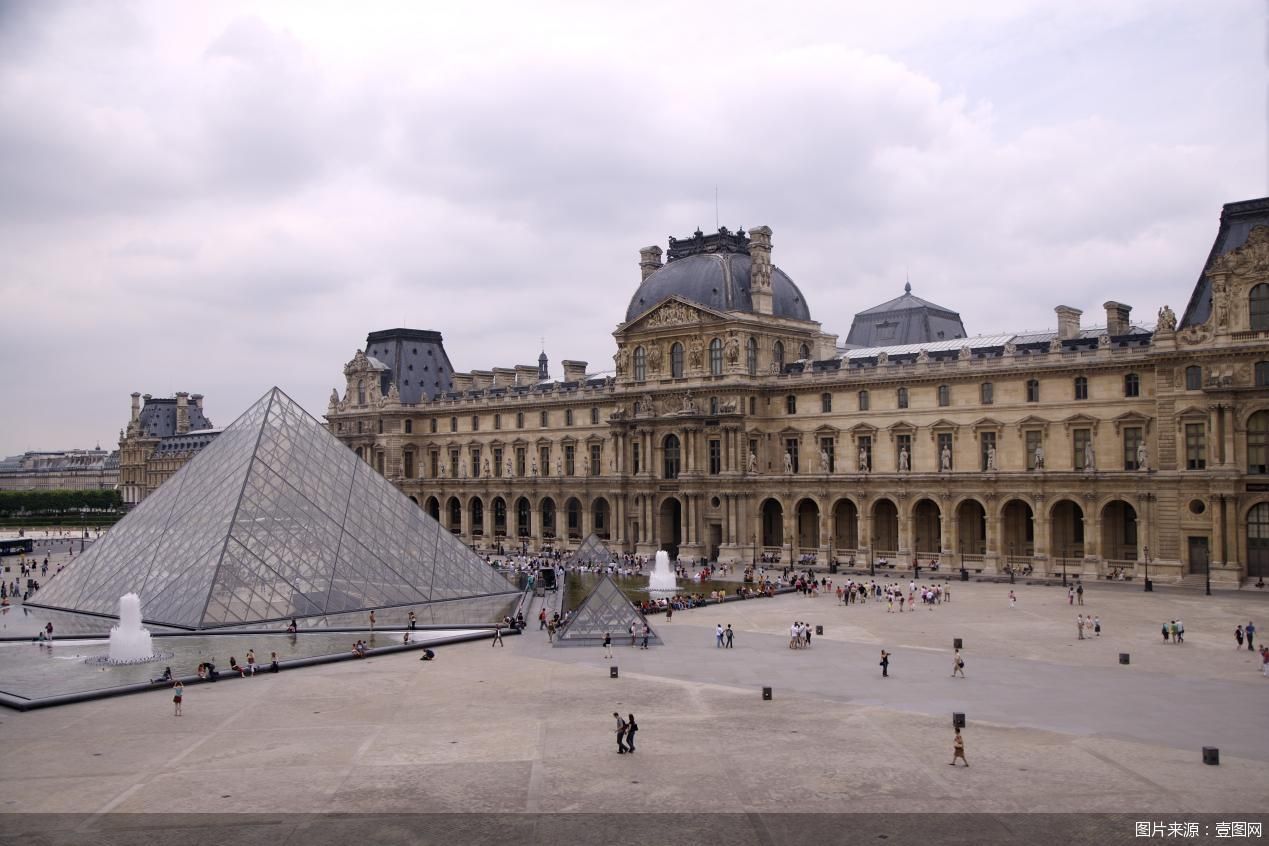
艺术品保险

Search documents
卢浮宫被盗文物竟无保险,国内48亿元艺术品保险市场也不乐观:险企称定价太难,蛋糕看到吃不到
Mei Ri Jing Ji Xin Wen· 2025-11-07 10:28
Group 1 - The Louvre heist resulted in the theft of 8 pieces of jewelry valued at approximately €88 million (around 720 million RMB), which will not be covered by insurance as national museums in France are not allowed to purchase commercial insurance for their collections [2][3] - The art insurance market in China is gradually developing, with a projected market size of 4.86 billion RMB in 2024, but the penetration rate remains low at about 5% [2][3] - The domestic art insurance industry faces challenges such as pricing difficulties and insufficient market demand, but innovative models like "nail-to-nail" full-process coverage and satellite remote sensing risk control are being explored [2][3][11] Group 2 - A total of 34 property insurance companies have launched 249 art-related insurance products, covering categories such as "art insurance," "collectibles insurance," and "cultural relics insurance" [4][8] - The majority of policyholders in the art insurance market are individual collectors, accounting for 68.3% of total policies, while corporate clients, including museums and galleries, represent 24.5% [3][11] - The competition in the art insurance market is characterized by a leading group of major insurers, while some smaller companies have exited due to business adaptability issues [7][11] Group 3 - The low coverage level in the domestic art insurance market is a significant issue, with personal collectors' insurance needs growing but still showing a notable gap in actual coverage [11][12] - The complexity of valuing high-value art pieces poses challenges for insurers, as the valuation process is often influenced by various factors, making it difficult to establish a unified standard [14][16] - Insurers are adopting professional risk control and co-insurance strategies to address the pricing challenges and enhance their underwriting capabilities [19][20] Group 4 - The "nail-to-nail" insurance model is emerging as a mainstream innovation, covering the entire risk chain of art exhibitions, from initial packaging to transportation and exhibition [23][24] - Companies like Taikang Online and Huatai Insurance are implementing systematic risk management solutions, including pre-insurance risk assessments and dynamic monitoring during exhibitions [23][24] - The recent Louvre theft incident has heightened awareness of risk prevention in the industry, prompting a shift towards comprehensive risk governance in the art insurance market [24]

卢浮宫“天价文物”未投保引热议,艺术品保险如何守护“传家宝”?
Zhong Guo Zheng Quan Bao· 2025-10-23 08:35
Core Viewpoint - The theft of eight pieces of jewelry from the Louvre Museum is estimated to result in an economic loss of up to 88 million euros, with no insurance coverage available for the stolen items due to legal regulations [1][3]. Economic Impact - The estimated economic loss from the theft is 88 million euros [2]. - The historical loss caused by the robbery is deemed immeasurable, highlighting the significant impact on cultural heritage [3]. Insurance Context - French law prohibits national museums from purchasing commercial insurance for their collections unless the items are temporarily removed or loaned to other institutions [3]. - The Louvre, as a national museum, is responsible for all risks associated with the loss, theft, or damage of its collections, meaning no insurance compensation can be sought [3]. Art Insurance Industry Insights - The incident has brought attention to the niche and specialized field of art insurance, emphasizing the need for better risk management strategies for both museums and private collectors [1][4]. - Art insurance is considered a crucial tool for risk transfer during exhibitions, with differences in insurance strategies between domestic and international markets [3]. Private Collectors' Considerations - Private collectors are advised that standard home insurance policies often exclude valuable art and collectibles, necessitating the purchase of specialized art insurance for adequate protection [5]. - Art insurance serves not only as a financial compensation tool but also as a primary line of defense in risk management, contributing to the preservation of cultural heritage [5].
卢浮宫被盗敲警钟,当无价之宝遭遇无价之“保”
Bei Jing Shang Bao· 2025-10-22 13:48
Core Insights - The recent robbery at the Louvre Museum highlights the vulnerabilities in museum security and the risks associated with the management and exhibition of cultural artifacts [1][4] - The incident raises questions about the protection of priceless artworks and the lack of insurance coverage for such items, pushing art insurance into the public spotlight [3][4] Group 1: Incident Overview - The Louvre Museum was robbed on October 19, with four masked individuals executing a coordinated theft, resulting in the loss of nine artifacts, including a crown belonging to Empress Eugénie, with an estimated economic loss of €88 million [4] - French law prohibits national museums from purchasing commercial insurance for their collections unless items are loaned or leave the museum, leading to a situation where many artifacts are uninsured [4][9] Group 2: Art Insurance Importance - Art insurance is crucial for museums as it serves as a risk transfer mechanism during exhibitions, yet there are significant differences in insurance strategies between domestic and international markets [5][9] - The insurance industry views art insurance as a specialized product that covers losses from theft, fire, and natural disasters, acting as a "safety rope" for museums [6][7] Group 3: Challenges in Art Insurance - The Chinese art insurance market faces challenges such as difficulties in valuation and complex ownership issues, leading to low insurance coverage for museum collections [9][10] - Valuation difficulties directly impact insurance pricing and underwriting, as the lack of standardized assessment methods complicates the determination of premiums [10] Group 4: Future Directions - The art insurance market in China has significant potential for growth, but requires policy guidance, industry innovation, and collaboration among stakeholders to develop effectively [11][12] - Innovative models, such as the "art insurance + service" project in Fujian Province, aim to integrate insurance with proactive risk management strategies to prevent incidents [12]