花样滑冰培训

Search documents
国际赋能高质量发展|顺义消费新场景的N种可能
Xin Lang Cai Jing· 2026-02-09 08:56
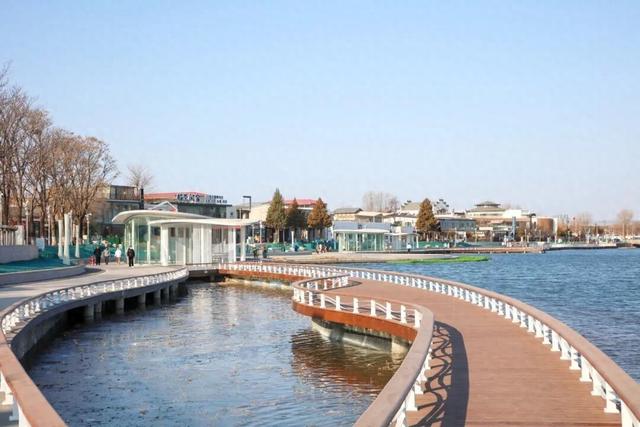
Core Insights - The article highlights the development of Shunyi District as a hub for international consumption, emphasizing its diverse and high-quality consumer experiences [1][16] - It presents various attractions in Shunyi, including scenic spots and commercial areas that cater to both local and international visitors [1][16] Group 1: International Consumption Scene - Shunyi District is characterized by its international and diverse high-quality consumption scenarios, creating a new landscape for global enjoyment [1] - The area is designed to be a "waterfront reception hall" with a rich cultural atmosphere, enhancing its appeal as a destination for international visitors [6] Group 2: Key Attractions - The first recommended stop is Roma Lake, which has transformed into a vibrant waterfront economic zone that integrates ecology, commerce, and art [4] - The second stop, Guomen No.1, offers a comprehensive consumption matrix that meets the demands for an international lifestyle [7] - The third stop, 3A Ice Space, serves as a professional venue for ice sports, hosting international competitions and promoting cultural exchange [12] - The fourth stop, Luo Hong Photography Art Museum, is an artistic landmark designed by a world-class team, set to expand into a larger international art exchange platform [15]

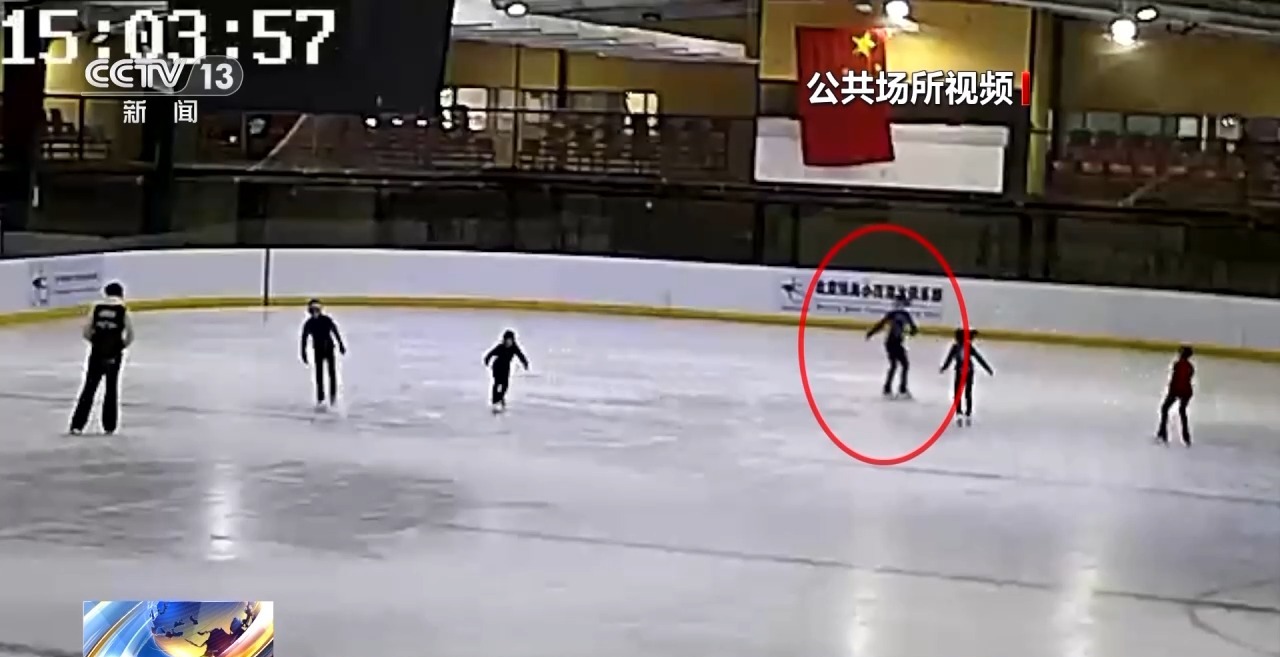
孩子花滑课上摔骨折 机构甩锅“自甘风险”?法院判赔→
Yang Shi Xin Wen· 2025-05-09 09:42
Core Viewpoint - The case highlights the legal responsibilities of training institutions in sports-related injuries, particularly focusing on the application of the "voluntary risk" principle and its limitations in protecting institutions from liability [17][22][30]. Group 1: Incident Overview - An 11-year-old figure skating student suffered a femoral fracture during training, leading to a lawsuit against the training institution and coach for compensation of medical and emotional damages [5][30]. - The training institution argued that the injury was a result of the student's voluntary participation in a high-risk sport, invoking the "voluntary risk" principle to deny responsibility [13][30]. Group 2: Legal Analysis - The court examined the applicability of the "voluntary risk" principle, which requires four conditions: voluntary participation, inherent risk of the activity, damage caused solely by other participants, and absence of intent or gross negligence from others [18][21]. - The court determined that the injury was not caused by other participants but rather by the student's own actions during a challenging maneuver, thus ruling out the application of the "voluntary risk" principle [21][24]. Group 3: Court's Decision - The court found that the training institution failed to fulfill its duty of care, particularly in light of prior warnings from the student about physical discomfort, and inadequate supervision during training [26][30]. - The training institution was held responsible for 80% of the damages, amounting to over 80,000 yuan, while acknowledging that the student and guardians also bore some responsibility due to the inherent risks of the sport [30][29]. Group 4: Recommendations - The ruling emphasizes the need for training institutions to prioritize student safety and not use the "voluntary risk" principle as a shield against liability, especially in high-risk sports [32][36]. - Parents are advised to communicate any health concerns regarding their children to training institutions and to ensure that training schedules are appropriate for the child's physical condition [34][36].