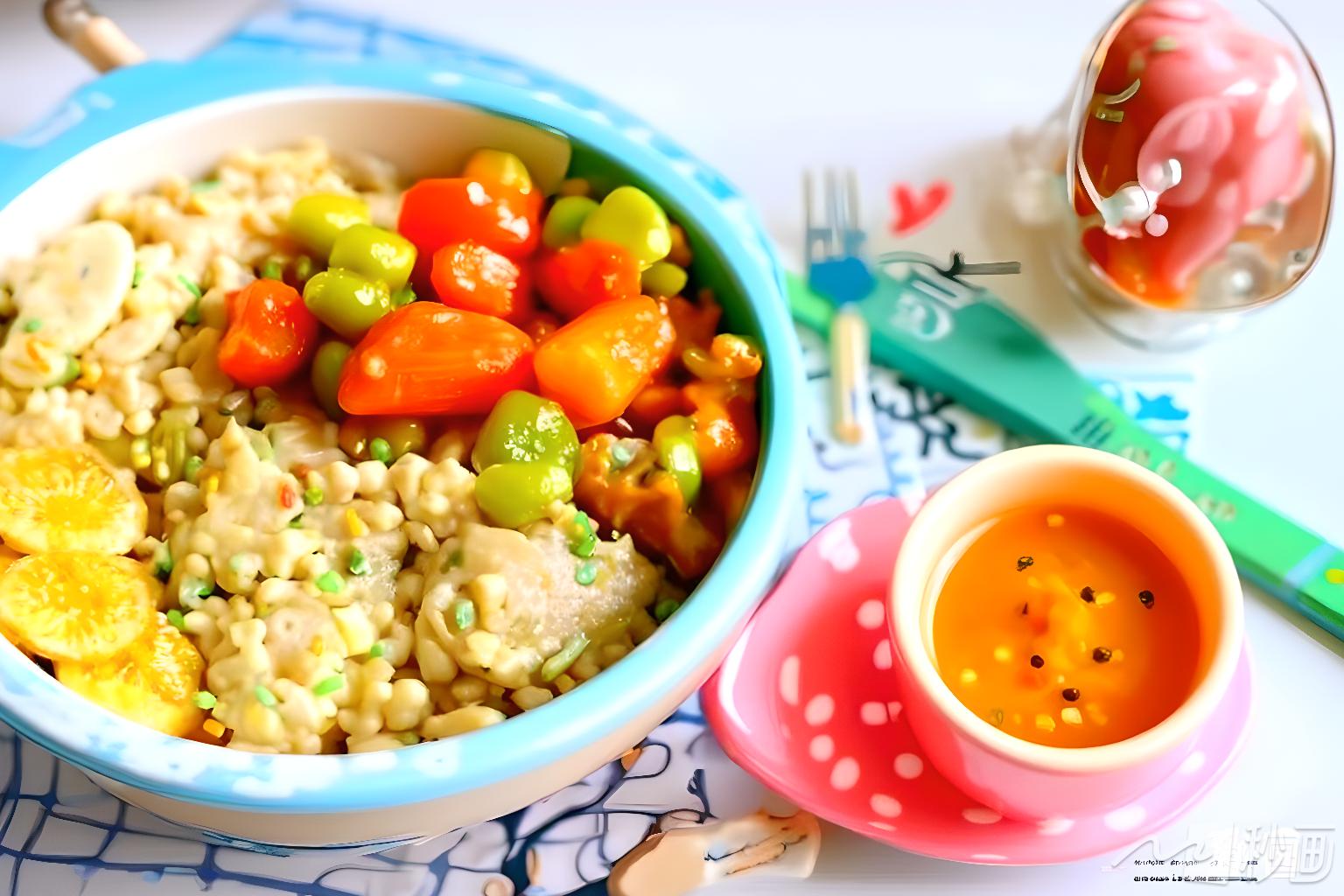
英氏辅食产品

Search documents
多维度对比|辅食行业“一哥二哥”竞速IPO,两条路径的资本博弈
Sou Hu Cai Jing· 2026-01-10 07:06
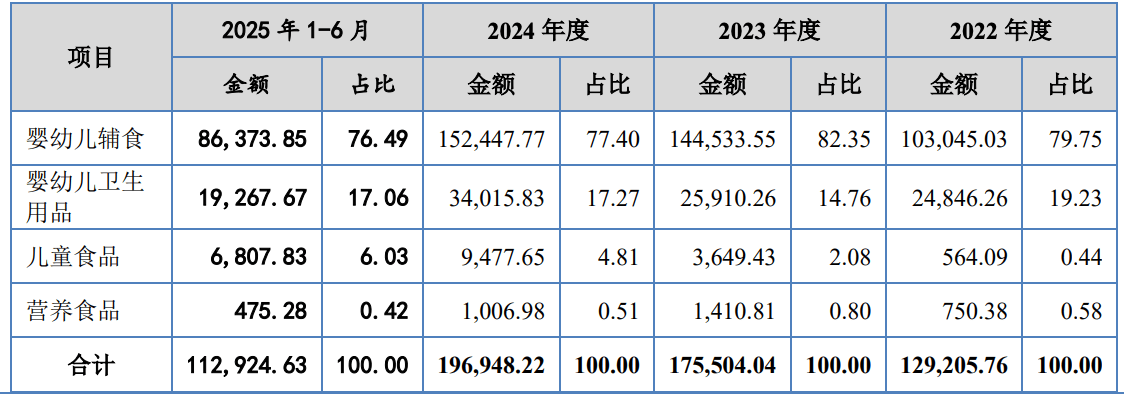
Core Insights - The infant and toddler complementary food sector is experiencing significant capital investment from leading players, with a focus on high margins and growth potential [1][2]. Market Overview - The infant complementary food market in China surpassed the EU and Japan in 2024, ranking second only to the US, with expectations for steady growth over the next five years [2]. - The industry is highly fragmented, with the top five brands holding only 14.2% market share, indicating substantial consolidation opportunities [2]. Company Profiles - **Ying's Holdings**: Established in 2014, it focuses on "Healthy China" and ranks first in the complementary food market for 2023 and 2024, with a significant presence on platforms like Tmall [3][4]. - **Grandpa's Farm**: Founded in 2015, it emphasizes organic and minimally processed products, ranking second in the overall market and first in the organic segment for 2024 [5][6]. Financial Performance - Ying's Holdings reported revenues of RMB 19.74 billion in 2024, while Grandpa's Farm generated RMB 8.75 billion, less than half of Ying's [9]. - Grandpa's Farm has a strong growth trajectory, with a compound annual growth rate of 42.6% from 2022 to 2024, and a revenue growth of 40.6% in 2024 [9][10]. - Profitability metrics show Ying's Holdings with net profits of RMB 1.2 billion, RMB 2.2 billion, and RMB 2.1 billion from 2022 to 2024, while Grandpa's Farm's profits were RMB 754.6 million, RMB 1.03 billion, and RMB 874.2 million in the same period [9][10]. Product Offerings - Ying's Holdings offers a diverse range of products, including rice flour, instant porridge, and various baby food categories [4][5]. - Grandpa's Farm's product line includes infant oils, juices, and organic baby food, with a focus on high-end organic positioning [6][7]. Marketing Strategies - Both companies invest heavily in marketing, with sales expenses around 35% of their revenues, leading to a decline in net profit margins for Ying's Holdings [21][23]. - Ying's promotes a "scientific five-stage feeding system," while Grandpa's Farm initially marketed itself as a high-end European brand, though it has shifted focus to emphasize nutritional value and minimal additives [23][24]. Production Models - Ying's Holdings employs a mixed production model of self-manufacturing and outsourcing, with about 55.1% of its products produced by third parties [12][13]. - Grandpa's Farm has relied on a 100% outsourcing model until recently, which has raised concerns about quality control [15][16]. Challenges and Controversies - Both companies face scrutiny over their production practices and food safety, with past incidents affecting consumer trust [12][13][19]. - Ying's Holdings has been involved in trademark disputes that could impact brand clarity and operational stability [10][11].

英氏控股拟北交所IPO:利润承压 获客成本逐年高企
Xi Niu Cai Jing· 2025-06-18 07:32
Core Viewpoint - Ying's Holdings Group Co., Ltd. has received approval for its IPO application from the Beijing Stock Exchange, aiming to become China's first publicly listed company in the infant complementary food sector, despite facing challenges such as declining newborn numbers and rising customer acquisition costs [2][5]. Company Overview - Ying's Holdings was established in 2008 and focuses on the research, production, operation, and sales of maternal and infant products, with key brands including "Ying's" for complementary foods and "Shubiqi" for hygiene products [4]. - The company plans to raise approximately 334 million yuan through its IPO, which will be allocated to various projects including the construction of an innovation center and production facilities for infant food [4]. Financial Performance - From 2022 to 2024, Ying's Holdings' revenue is projected to grow from 1.296 billion yuan to 1.974 billion yuan, reflecting a compound annual growth rate (CAGR) of 23.42%. However, net profit is expected to decline by 4.25% year-on-year to 210 million yuan in 2024, indicating a trend of increasing revenue without corresponding profit growth [5]. - Sales expenses have risen significantly, with figures of 454 million yuan, 602 million yuan, and 721 million yuan over the reporting period, leading to an average sales expense ratio exceeding 35% [5]. Market Challenges - The company faces challenges from changing demographic trends, as a declining birth rate may reduce demand for infant products. Market forecasts suggest that while the penetration rate of infant complementary foods may reach 51% by 2029, overall market growth is expected to slow [5]. - Rising customer acquisition costs are exacerbated by the diminishing returns from internet user growth, with platform promotion expenses increasing from 151 million yuan in 2022 to 300 million yuan in 2024, a CAGR of over 40% [5]. Production Model Concerns - Ying's Holdings relies heavily on a contract manufacturing model, which has raised concerns about product quality risks. The company has faced scrutiny due to penalties imposed on its suppliers for using non-compliant food materials [6][8]. - The proportion of products produced through contract manufacturing has increased, accounting for 39.83%, 52.22%, and 55.10% of procurement in the respective years of the reporting period [8].