荔枝美式咖啡

Search documents
“甜蜜经济”荔枝文旅 如何从“一季火”到“四季火”
Zhong Guo Qing Nian Bao· 2025-06-28 02:47
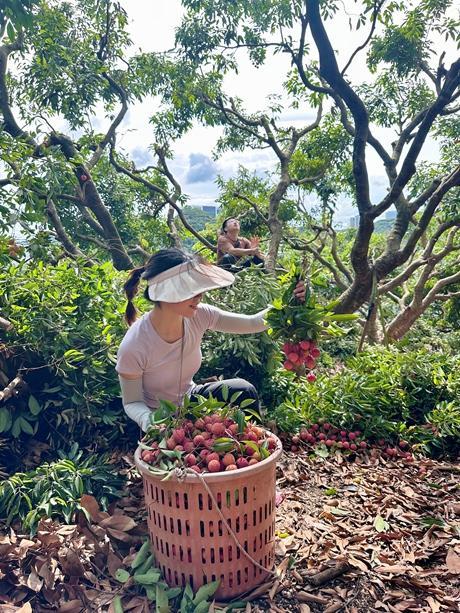
Core Insights - The popularity of the TV drama "Lychee in Chang'an" has sparked interest in lychee culture, leading to a surge in experiential activities related to lychee picking and tourism [2][3] - The total lychee production in China is expected to reach approximately 3.65 million tons this year, marking a 111.26% increase year-on-year, setting a historical record [2] Industry Developments - Major lychee-producing regions in China, including Guangdong, Guangxi, Sichuan, Yunnan, Fujian, and Taiwan, are actively promoting lychee cultural tourism through various events and activities [3] - Guangzhou has launched the 2025 Lychee Culture and Tourism Promotion Campaign, featuring 20 themed tourism routes that connect lychee orchards, local villages, boutique accommodations, historical sites, and natural scenery [5] - The East Forest Fruit Garden in Guangzhou reported nearly 10,000 visitors during the Dragon Boat Festival, with a significant increase in visitor numbers contributing to local economic vitality [6] Economic Impact - The lychee picking experience has become a significant revenue source for fruit gardens, accounting for 50% of total income in some cases [5] - Tourists visiting lychee orchards also contribute to local economies by engaging in shopping and dining, boosting related industries such as accommodation and food services [6] Innovations in Tourism - Traditional orchards are increasingly adopting picking tourism projects, enhancing visitor engagement and improving sales prices compared to wholesale rates [8] - The Guangzhou Ancient Lychee Garden has seen a surge in bookings, with innovative offerings such as lychee-flavored beverages and local culinary experiences [9] Challenges and Opportunities - Despite the growth in lychee cultural tourism, challenges such as price drops during bumper harvests and increased competition among accommodations are present [11] - Experts suggest that diversifying tourism offerings and extending the lychee cultural experience beyond the harvest season can enhance long-term sustainability [12][13]