
荧光灯

Search documents
亚马逊卫浴产品出口美国DOE能效认证
Sou Hu Cai Jing· 2025-11-05 08:39
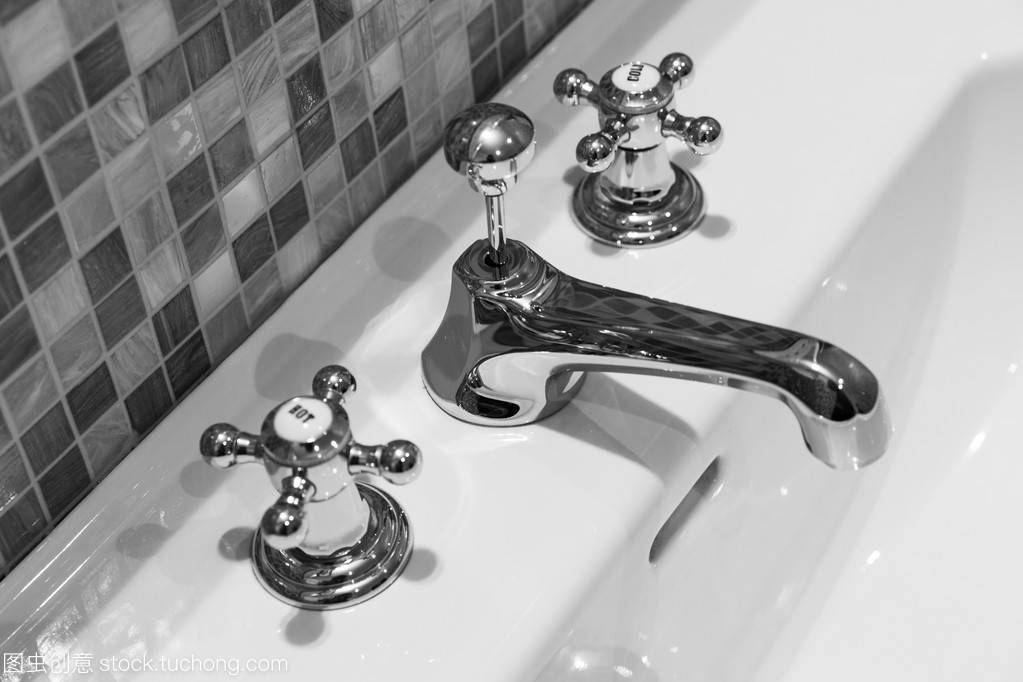
Group 1: Core Concept - The DOE (Department of Energy) certification aims to promote energy efficiency and reduce energy consumption in electronic and electrical products, thereby contributing to lower energy demand and mitigating greenhouse gas emissions [1]. Group 2: Products Requiring DOE Certification - Products that require DOE certification include small battery charging systems (e.g., Bluetooth headphones, smartphones), power supplies (e.g., chargers), televisions, audio/video devices (e.g., DVD players), information devices (e.g., set-top boxes), transformers, household appliances (e.g., refrigerators, air conditioners), motors, and bathroom products (e.g., faucets, toilets) [4][5][6][7][8][9][10][12]. Group 3: Water Efficiency Requirements - The DOE mandates water efficiency standards for bathroom products, with specific flow rate limits: - Bathroom/kitchen faucets: maximum flow rate of 2.2 gallons per minute (approximately 8.3 liters per minute) at a pressure of 60 psi (414 kPa) [13]. - Showerheads: maximum flow rate of 2.5 gallons per minute (approximately 9.5 liters per minute) at a pressure of 80 psi (552 kPa) [13]. - Urinals: maximum water usage of 1.6 gallons (approximately 6.0 liters) per flush for trough urinals [14]. Group 4: DOE Certification Process - The certification process involves several steps: 1. Confirm if the product falls under DOE certification requirements. 2. Prepare necessary documentation and samples, including specifications and circuit diagrams. 3. Select a compliance organization and apply for certification services. 4. Conduct sample testing for energy efficiency. 5. Obtain a detailed energy efficiency test report from the laboratory. 6. Register with the DOE by submitting the test report and required information online. 7. Update the Amazon backend with certification documents and energy efficiency labels [16].

照明标准化迈入“十五五”新征程
Xiao Fei Ri Bao Wang· 2025-08-01 02:43
Core Viewpoint - The lighting industry in China is undergoing a transformation towards high-quality development, driven by standardization efforts and technological innovation, aiming to meet the evolving needs of consumers and enhance international competitiveness [2][3][4]. Group 1: Standardization and Development - The Chinese lighting industry has established standards for mercury content in fluorescent lamps and has developed international standards for testing, reflecting a commitment to high-quality development [1]. - Since the "14th Five-Year Plan," the China Light Industry Federation has made significant strides in standardization, which plays a crucial role in the industry's transformation and upgrading [2]. - The National Lighting Electrical Standardization Technical Committee has been recognized for its contributions to standardization, with a focus on optimizing existing standards and developing new ones in smart lighting and green technology [3]. Group 2: International Influence and Collaboration - The lighting standardization committee has gained international recognition, with experts holding key positions in global organizations, enhancing China's influence in international standard-setting [4]. - The committee has led the development and revision of several international standards, aligning domestic technology with global requirements [4]. - Efforts are being made to establish expert groups in emerging fields such as smart lighting and sustainable practices, ensuring that China's standards meet international expectations while addressing local industry needs [4]. Group 3: Future Directions and Goals - The China Light Industry Federation has outlined five key actions for the "15th Five-Year Plan," focusing on optimizing the standard system and ensuring comprehensive coverage of mandatory national standards in key areas [5]. - The lighting industry is shifting from basic lighting needs to a focus on health and quality, with standardization efforts aimed at creating a comprehensive and advanced standard system [5]. - The goal is to transition the industry from mere product manufacturing to providing comprehensive lighting environment services, thereby supporting high-quality development [5].