药明巨诺瑞基奥仑赛注射液

Search documents
从自费百万到商保覆盖,天价抗癌药支付破冰
3 6 Ke· 2025-12-12 08:36
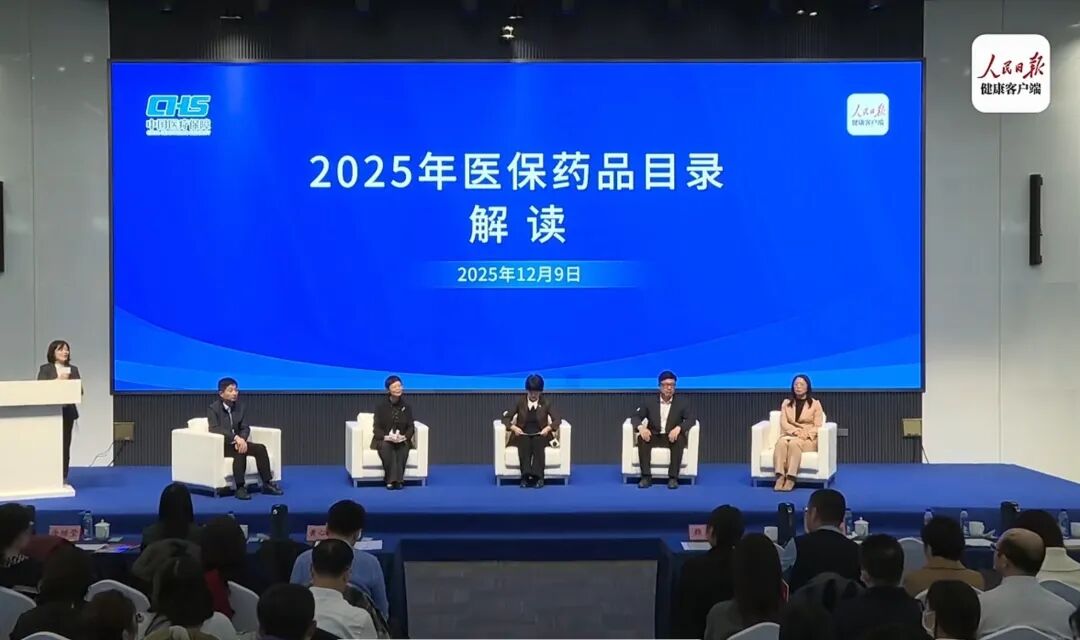
Core Insights - The article discusses the challenges and developments surrounding CAR-T cell therapy in China, particularly its high costs and recent inclusion in the commercial insurance innovation drug directory, which aims to improve accessibility for patients [4][16]. Group 1: CAR-T Therapy Overview - CAR-T therapy is a personalized immunotherapy that modifies a patient's T cells to target cancer cells, but it is associated with high costs, making it inaccessible for many patients [2][3]. - In the U.S., CAR-T therapy costs between $370,000 and $500,000, while in China, domestic CAR-T products range from 999,000 to 1,290,000 RMB [3][12]. Group 2: Insurance and Accessibility - The newly established commercial insurance innovation drug directory includes five domestic CAR-T therapies, which were previously excluded from the national basic medical insurance directory due to high costs [4][5]. - The directory aims to provide more treatment options for patients and reduce their financial burden, allowing for a multi-tiered payment system [5][16]. Group 3: Patient Experiences - Many patients face significant financial challenges when considering CAR-T therapy, often relying on commercial insurance or regional health insurance to cover part of the costs [8][9]. - The experiences of patients highlight the disparity in financial burdens, with some families still needing to pay substantial out-of-pocket expenses despite insurance coverage [10][11]. Group 4: Market Dynamics and Future Prospects - The commercial insurance innovation drug directory is seen as a milestone for CAR-T therapies, potentially leading to increased market access and improved patient outcomes [16][21]. - Companies are exploring various pricing and payment models to balance affordability for patients while ensuring profitability [12][14]. - The directory's implementation is expected to enhance collaboration between pharmaceutical companies and insurance providers, facilitating better access to innovative therapies [19][22].