
蒙古族长调

Search documents
悠扬长调贯古今
Xin Lang Cai Jing· 2026-02-26 20:43
Core Viewpoint - The article highlights the significance of Mongolian long tunes, particularly the Ujumqin long tune, as a vital cultural heritage that embodies the history, emotions, and traditions of the Mongolian people, showcasing its evolution and contemporary relevance [3][5][9]. Group 1: Cultural Significance - Mongolian long tunes serve as a cultural symbol, representing the wisdom and emotional expressions of the local people, and have become a refined cultural emblem of Inner Mongolia and Mongolia [3][5]. - The Ujumqin long tune is recognized as a quintessential representation of Mongolian long tune art, with its core distribution in the Xilin Gol region [5][6]. Group 2: Historical Context - The term "long tune" was first defined by contemporary Chinese writer Zhang Chengzhi, which has since been widely adopted, encapsulating both historical depth and melodic length [5]. - The Ujumqin tribe has a long-standing tradition of narrating history and emotions through song, which has been passed down through generations [6][7]. Group 3: Transmission and Innovation - The transmission of Ujumqin long tunes has remained uninterrupted over centuries, with its melodies being integral to the cultural upbringing of children and the nostalgic reflections of the elderly [6][8]. - Scholars have played a crucial role in the research and preservation of Mongolian long tunes, providing academic support for their systematic transmission and development [7][9]. Group 4: Contemporary Developments - The Ujumqin long tune has seen a resurgence in popularity, with various representatives and local experts actively promoting its protection and development through associations, workshops, and performances [9][10]. - Significant milestones include the international performance of the Ujumqin long tune in Paris in 2007, which helped to elevate its global profile [9][10].

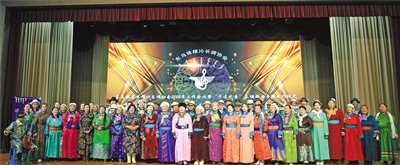
让非遗在创新中传承
Xin Lang Cai Jing· 2026-02-26 20:43
Core Viewpoint - The article emphasizes the enduring legacy and cultural significance of Mongolian long song, highlighting its deep roots in the nomadic lifestyle and its evolution through oral tradition and innovation. Group 1: Cultural Roots - The first layer of the long song's legacy is its cultural foundation, deeply rooted in the nomadic lifestyle of the Mongolian people, reflecting their genuine emotions towards nature and life [1] - The long song features a distinct characteristic of long, flowing melodies with few words, symbolizing the vastness of the grasslands and the deep sentiments of the herders [1] - Each melody of the long song encapsulates rich emotions tied to the seasons and pastoral life, showcasing a harmonious relationship between humans and nature [1] Group 2: Oral Tradition - The second layer of the long song's legacy is its living wisdom, passed down through generations via oral tradition without fixed written records [2] - The transmission occurs naturally through familial and community interactions, allowing the long song to maintain its authenticity and vibrancy over centuries [2] - This method of passing down knowledge fosters a deep cultural connection and ensures the long song retains its original essence [2] Group 3: Innovation and Development - The third layer of the long song's legacy is its ability to innovate while preserving its core characteristics, adapting to contemporary developments [3] - The evolution includes transitioning from solo performances to choral renditions, and integrating various musical instruments, enhancing its expressive power [3] - The long song has expanded from local performances to international stages, with younger generations incorporating modern elements and digital platforms to keep the tradition alive [3] - This dual approach of preserving tradition while embracing innovation exemplifies the dynamic nature of Chinese traditional culture [3]