传统文化传承与创新

Search documents
悠扬长调贯古今
Xin Lang Cai Jing· 2026-02-26 20:43
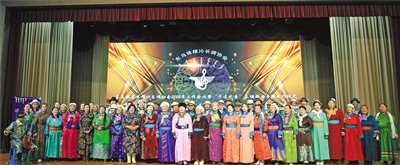
Core Viewpoint - The article highlights the significance of Mongolian long tunes, particularly the Ujumqin long tune, as a vital cultural heritage that embodies the history, emotions, and traditions of the Mongolian people, showcasing its evolution and contemporary relevance [3][5][9]. Group 1: Cultural Significance - Mongolian long tunes serve as a cultural symbol, representing the wisdom and emotional expressions of the local people, and have become a refined cultural emblem of Inner Mongolia and Mongolia [3][5]. - The Ujumqin long tune is recognized as a quintessential representation of Mongolian long tune art, with its core distribution in the Xilin Gol region [5][6]. Group 2: Historical Context - The term "long tune" was first defined by contemporary Chinese writer Zhang Chengzhi, which has since been widely adopted, encapsulating both historical depth and melodic length [5]. - The Ujumqin tribe has a long-standing tradition of narrating history and emotions through song, which has been passed down through generations [6][7]. Group 3: Transmission and Innovation - The transmission of Ujumqin long tunes has remained uninterrupted over centuries, with its melodies being integral to the cultural upbringing of children and the nostalgic reflections of the elderly [6][8]. - Scholars have played a crucial role in the research and preservation of Mongolian long tunes, providing academic support for their systematic transmission and development [7][9]. Group 4: Contemporary Developments - The Ujumqin long tune has seen a resurgence in popularity, with various representatives and local experts actively promoting its protection and development through associations, workshops, and performances [9][10]. - Significant milestones include the international performance of the Ujumqin long tune in Paris in 2007, which helped to elevate its global profile [9][10].

“新”年味里品变迁,“京”彩年中绘新卷!京城文旅消费实现马年“开门红”
Bei Jing Ri Bao Ke Hu Duan· 2026-02-23 13:17
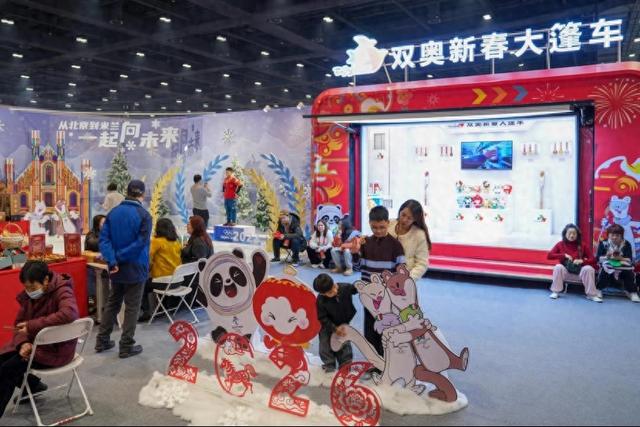
Core Insights - The Beijing cultural and tourism market during the 2026 Spring Festival showcased vibrant consumer activity, with 19.84 million visitors and total tourism spending of 33.14 billion yuan over the nine-day holiday [1][2]. Group 1: Traditional and Cultural Activities - Over 40 unique temple fairs and lantern festivals were held, marking a record in both quantity and scale, blending traditional customs with technological experiences [2]. - The "Double Olympic New Year" cultural exhibition featured Olympic artifacts and integrated traditional Chinese New Year culture, attracting significant visitor engagement [5]. - The "Enjoy the New Year in Beijing" series of activities included participation from 11 provinces, showcasing local specialties and cultural performances, leading to over 10 million yuan in sales of "Beijing gifts" [3]. Group 2: Consumer Trends and Economic Impact - The overall sales during the Spring Festival reached 8.45 billion yuan, with a year-on-year increase of 12.4%, driven by a surge in foot traffic across major shopping districts [6]. - The influx of inbound tourists contributed to a 73.2% increase in consumption related to shopping, aided by new visa policies [8]. - The popularity of museums surged, with approximately 3.28 million visitors during the holiday, reflecting a 20.61% increase from the previous year [10]. Group 3: Technological Integration and Innovation - The integration of technology in consumer experiences was highlighted by the "AI New Year" event, which featured advanced robotics and interactive displays, significantly boosting foot traffic in commercial areas [6]. - The introduction of automated shopping experiences in the Economic Development Zone led to a 23.9% increase in consumer spending [6]. Group 4: Rural Tourism and Community Engagement - Rural tourism saw a rise in activity, with the "Wander in the Suburbs" initiative generating over 28 million exposures and significant sales through innovative marketing strategies [12]. - Community-driven events in rural areas attracted large crowds, showcasing local products and cultural experiences, enhancing the festive atmosphere [13].
新春走基层丨穿戏服、讲典故 这群文化讲解员用创新的方式赓续千年文脉
Xin Lang Cai Jing· 2026-02-22 05:33
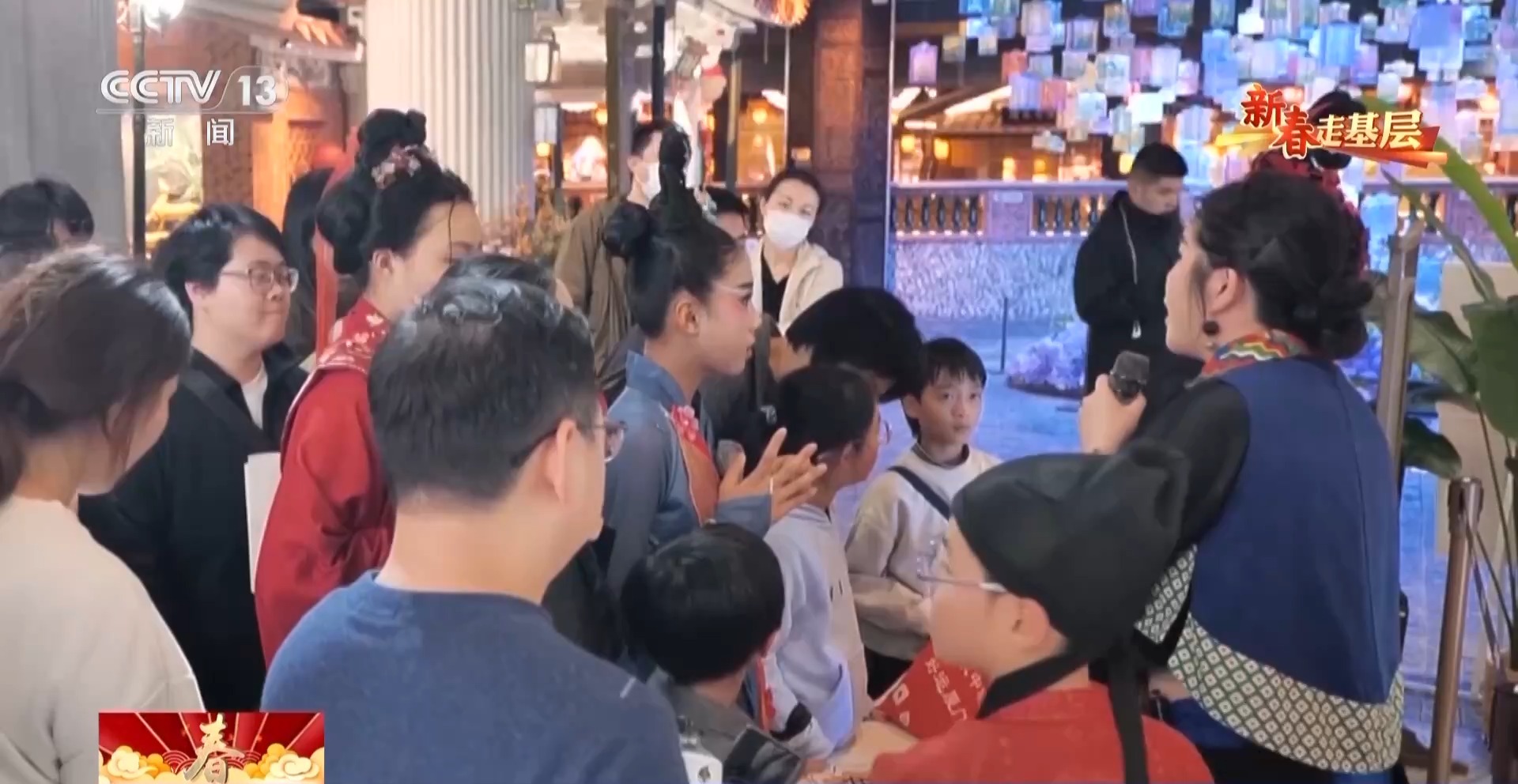
Core Viewpoint - The article highlights the innovative approach of cultural interpreters in a Minnan cultural scenic area in Xiamen, Fujian, who engage visitors through immersive experiences, thereby revitalizing traditional culture and making it accessible and enjoyable for all ages [1][39]. Group 1: Cultural Engagement - Cultural interpreters use costumes and storytelling to present traditional culture in an engaging manner, attracting a large number of visitors during the Spring Festival [1][9]. - Visitors earn "silver tickets" through knowledge-based challenges, enhancing their experience and sense of achievement [3][5]. - The interactive nature of the experience encourages visitors, especially children, to explore and learn more about history and culture [11][13]. Group 2: Recruitment and Training - The team initially faced challenges in recruiting qualified cultural interpreters who could engage effectively with visitors [15][17]. - Cultural interpreters underwent extensive training, with a focus on historical accuracy and engaging storytelling, resulting in a well-prepared team [19][39]. - Despite initial difficulties, the team has successfully retained all members, indicating a strong commitment to their roles and the cultural mission [29]. Group 3: Visitor Experience and Feedback - The scenic area has become a popular destination for tourists, including those from Taiwan, who express emotional connections to the cultural presentations [29][31]. - Unique performances, such as glove puppetry, have captivated audiences, showcasing traditional skills that were previously underrepresented [21][25]. - The positive reception from visitors has motivated the cultural interpreters to continue their work and innovate further [27][39]. Group 4: Cultural Impact and Future Aspirations - The cultural interpreters aim to bridge cultural understanding between local and international visitors, showcasing the richness of Chinese heritage [39]. - The initiative emphasizes the importance of both preserving and innovating traditional culture, ensuring its relevance in modern society [39]. - The project aspires to foster a deeper appreciation of Minnan culture among locals and tourists alike, making it a living part of the community [39].
新春走基层 | 穿戏服、讲典故,一秒入戏!当古老文脉遇上青春表达
Yang Shi Wang· 2026-02-22 02:04
Core Viewpoint - The article highlights the innovative approach of cultural interpreters in Xiamen, Fujian, who use immersive methods to present traditional culture, making it engaging and interactive for visitors during the Spring Festival holiday [1][19]. Group 1: Cultural Interpretation - Cultural interpreters, such as Huang Tao, engage with visitors by dressing in historical costumes and facilitating interactive experiences, which helps to make historical narratives more appealing to children and adults alike [3][9]. - Visitors can earn "silver tickets" by answering questions correctly, creating a fun and educational atmosphere that encourages participation from both children and adults [6][15]. - The cultural interpreters have developed unique personas and storytelling techniques, which have successfully attracted nearly 10,000 visitors daily during the holiday period [7][9]. Group 2: Recruitment and Training - The initial plan for the scenic area was to hire traditional tour guides, but the team shifted to recruiting dynamic cultural interpreters who could engage visitors through performance and interaction [11][13]. - Huang Tao faced challenges in recruitment, as many potential candidates found the extensive research and preparation daunting, leading to a high dropout rate [11][13]. - After two years of preparation, the team managed to distill a vast amount of research into concise and engaging narratives, ultimately hiring only five core cultural interpreters who have since proven to be very popular with visitors [13][15]. Group 3: Visitor Experience and Cultural Impact - The cultural interpreters have successfully created a platform for traditional arts, such as glove puppetry, allowing local artisans to showcase their skills to a broader audience [15][19]. - The immersive experiences have resonated with visitors, including those from Taiwan, who express a deep emotional connection to the cultural narratives presented [15][19]. - The team aims to continue evolving their programs to ensure that traditional Chinese culture is accessible and engaging for both local residents and international tourists [17][19].
东西问·马年说马丨孙若溪:马纹如何成为中外文明交流互鉴的视觉符号?
Xin Lang Cai Jing· 2026-02-21 12:06
Core Viewpoint - The article discusses the significance of the horse pattern (马纹) as a visual symbol of cultural exchange between China and the world, highlighting its historical roots and contemporary relevance in art and design [3][4]. Group 1: Historical Significance - The horse pattern has been a core motif in Chinese traditional culture for thousands of years, with its origins traceable to the late Paleolithic era, evolving through various artistic forms [4]. - The enduring vitality of the horse pattern is attributed to its stable cultural genes and an open, inclusive philosophy that allows for continuous adaptation and reinterpretation [4][5]. Group 2: Cultural Evolution - The style of horse patterns has evolved significantly across different historical periods, reflecting the aesthetic and social contexts of each era, from the simplicity of the Shang and Zhou dynasties to the elaborate designs of the Tang dynasty [8]. - Beyond common meanings like success and talent, horse patterns also served as protective symbols in architecture during the Ming and Qing dynasties, representing loyalty and protection [8]. Group 3: Modern Adaptation and Innovation - The preservation of traditional horse patterns involves a dual approach of maintaining authenticity while embracing innovation, which includes creating a digital database for traditional patterns and promoting public understanding of their cultural value [10][11]. - New technologies such as 3D printing and VR are seen as tools to enhance the transmission and innovation of traditional patterns, allowing for creative reinterpretation and broader accessibility [11]. Group 4: Globalization Challenges - The globalization of Chinese horse patterns presents both opportunities and challenges, including the risk of cultural appropriation and superficial use by Western brands, which may dilute the original meanings and significance [13]. - To counter these challenges, there is a need for proactive cultural interpretation that emphasizes the stories and values behind traditional patterns, aiming for a shift from being borrowed to self-initiated cultural dissemination [13]. Group 5: Future Vision - The ideal system for the transmission and innovation of traditional patterns encompasses academic research, heritage protection, industrial transformation, public engagement, and international dialogue, with plans for a comprehensive digital resource and immersive museum experiences [14].
漫评:新春文旅“马”力全开,活力中国澎湃向前
Xin Lang Cai Jing· 2026-02-21 08:59
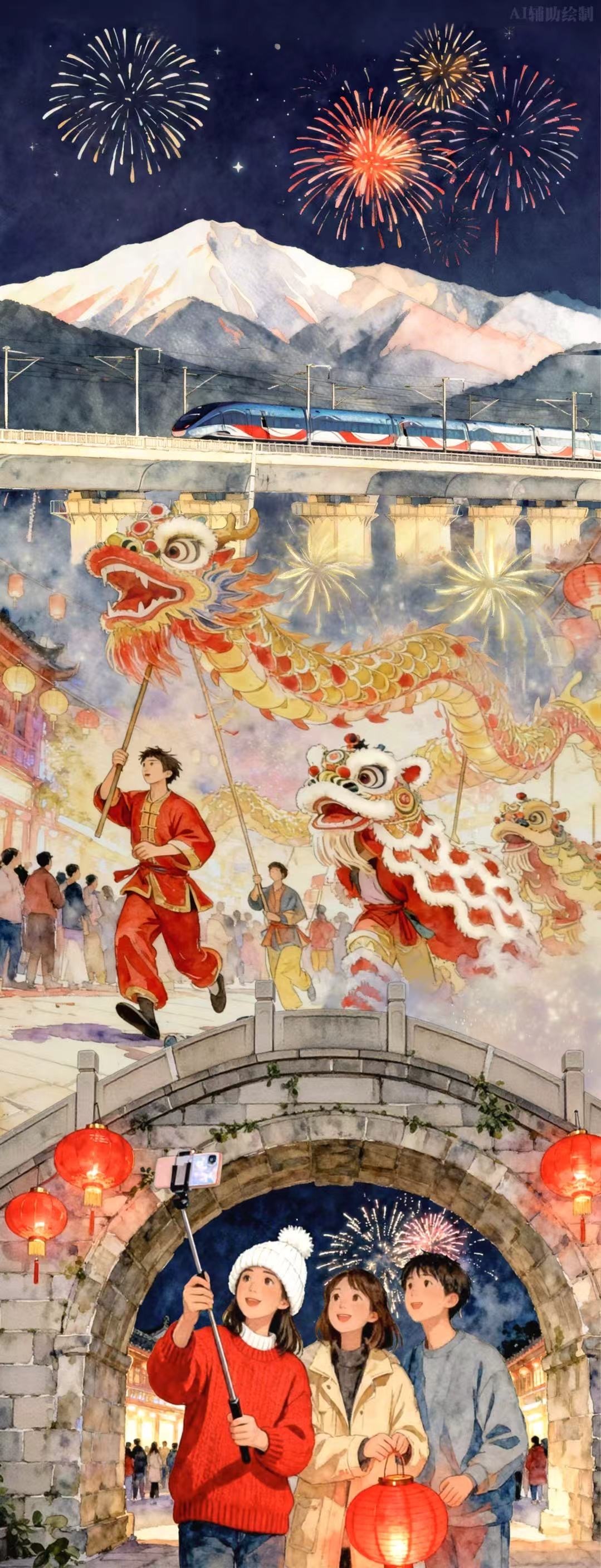
Core Insights - The Chinese tourism and cultural economy is experiencing a vibrant resurgence during the Spring Festival, showcasing the country's economic vitality [3][5] - The transportation network is effectively supporting the high demand for travel, with significant ticket sales and new rail lines enhancing connectivity [4] Group 1: Tourism and Cultural Economy - The Spring Festival has seen a diverse range of cultural and tourism activities across various regions, igniting consumer enthusiasm and adding unique flavors to the celebrations [3] - Notable events include flower markets in Guangzhou, ice festivals in Heilongjiang, and traditional fairs in Shanxi, highlighting the rich cultural experiences available to tourists [3][5] - The integration of traditional culture with modern experiences is evident, as seen in performances and exhibitions that engage the public and promote cultural heritage [5] Group 2: Transportation and Travel Demand - As of February 20, 2023, a total of 298 million train tickets have been sold for the Spring Festival travel period, reflecting the organized flow of massive passenger traffic [4] - The new high-speed rail line from Xi'an to Yan'an and improved highway access have facilitated cross-province travel, enhancing the overall travel experience [4] - The efficient transportation network is crucial for enabling family reunions and supporting the dynamic movement of people during the holiday season [4]
好评中国|漫评:新春文旅“马”力全开,活力中国澎湃向前
Huan Qiu Wang· 2026-02-21 08:09
Core Insights - The Spring Festival in China has seen a vibrant resurgence in cultural and tourism activities, reflecting the robust vitality of the Chinese economy [1][3] - The transportation network has effectively supported the massive travel demand during the Spring Festival, showcasing the concept of "Flowing China" [2] Group 1: Tourism and Cultural Activities - Various regions have showcased unique cultural tourism experiences, from flower markets in Guangzhou to ice festivals in Heilongjiang, enhancing consumer enthusiasm during the Spring Festival [1] - Traditional cultural practices are being revitalized through innovative presentations, such as the integration of non-material cultural heritage with immersive experiences in places like Beijing and Shanghai [2] Group 2: Transportation and Travel Demand - As of February 20, 2023, a total of 298 million train tickets have been sold for the Spring Festival travel period, indicating a well-organized flow of massive passenger traffic [2] - New transportation routes, such as the high-speed rail from Xi'an to Yan'an, have facilitated cross-province travel, contributing to the overall travel experience during the holiday [2] Group 3: Economic Implications - The lively cultural tourism scene during the Spring Festival serves as a microcosm of China's economic vitality, with expectations for continued growth in high-quality cultural tourism products [3] - The ongoing enhancement of service quality and cultural offerings is anticipated to inject new momentum into China's economic development [3]
山水有戏,春韵有声,戏曲与时代在八桂山水中欢腾相遇
Xin Lang Cai Jing· 2026-02-21 06:56
Core Viewpoint - The 2026 Spring Festival Opera Gala showcased the theme "Galloping Mountains and Seas, Theatrical Charm in Spring Sunshine," blending contemporary aesthetics with traditional opera to highlight the cultural richness of Guangxi and its openness to ASEAN [2][4]. Group 1: Cultural Integration - The gala integrated Chinese opera into an international perspective, merging traditional and modern elements, and resonating with human emotions and daily life [4]. - The event constructed a dual cultural landscape of "transmitting national spirit and integrating global elegance," featuring performances that highlighted Guangxi's ethnic heritage and local customs [7]. Group 2: Technological Innovation - The gala achieved a synergy between technology and art, utilizing AIGC technology to create a digital version of the iconic character Liu Sanjie, enhancing the cultural experience [11]. - Virtual and augmented reality technologies were employed to create immersive performances, showcasing a blend of traditional narratives with modern visual effects [13]. Group 3: Audience Engagement - The event captured the younger generation's deep desire for traditional culture, moving beyond superficial trends to create a relatable cultural experience [13]. - Performances included a mix of traditional opera and contemporary storytelling, appealing to diverse audience preferences and fostering intergenerational connections [14][16]. Group 4: Cultural Exchange - The gala featured artists from ASEAN countries, promoting cultural dialogue and showcasing a variety of performances that celebrated shared cultural values [9]. - The event was recognized for its innovative approach to cultural exchange, with positive feedback from various cultural institutions and experts [16].

古韵年俗与新潮碰撞 新春“热”力全开
Xin Lang Cai Jing· 2026-02-19 20:56
Group 1 - The article highlights the vibrant cultural atmosphere in Tianjin during the Spring Festival, showcasing a blend of traditional and modern elements that attract both locals and tourists [2][3] - The bustling food scene at the Northwest Corner has become a popular destination for visitors, with local delicacies like "jianbing guozi" and "guoba cai" drawing attention and praise for their authentic taste and the warmth of Tianjin's hospitality [3] - The "Jinmen Baixi" cultural event at the Ancient Culture Street features traditional performances, including stilt walking and bamboo horse shows, which resonate with the audience and revive local customs [4] Group 2 - The Yangliuqing Ancient Town offers a more refined cultural experience, where visitors can appreciate the artistry of traditional Chinese New Year paintings, blending historical significance with contemporary themes [5] - Young artists are innovating traditional New Year paintings by incorporating modern elements and popular phrases, making them appealing to younger generations [5] - The article emphasizes the importance of cultural heritage and its active role in the community, as seen in the workshops where visitors can create their own memories through hands-on experiences [5]
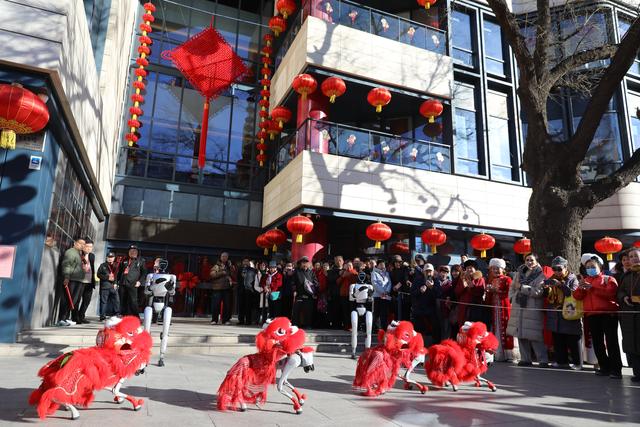
马跃东城启新春!东城区文化馆第三十四届新春游乐会如约而至
Xin Lang Cai Jing· 2026-02-18 13:08
Core Viewpoint - The 34th Spring Carnival in Dongcheng District integrates traditional cultural elements with modern technology, creating an immersive cultural experience for all age groups during the Spring Festival [2][4][6]. Group 1: Event Overview - The Spring Carnival runs from February 18 to February 24, featuring three main thematic sections: "Enjoy Culture Museum," "Childlike Culture Museum," and "Trendy Play Culture Museum" [2]. - The event aims to provide a diverse cultural celebration that combines immersive experiences and multi-generational engagement [2]. Group 2: Technological Integration - A highlight of the event is the performance by four robotic dogs, showcasing a creative blend of traditional customs and cutting-edge technology [4]. - Interactive robots engage with visitors through various activities, enhancing the event's appeal and making cultural participation more accessible [4]. Group 3: Cultural Heritage Promotion - The carnival emphasizes the preservation of traditional crafts through carefully designed intangible cultural heritage displays, allowing visitors to experience the charm of traditional culture [6]. - An art exhibition titled "Ink Charm of Dragon and Horse" features over a hundred pieces of calligraphy and painting, illustrating the cultural significance of the zodiac [6]. Group 4: Audience Engagement - The event caters to different age groups, offering tailored activities such as quiet reading spaces for the elderly, dance competitions for adults, and interactive experiences for youth and children [8]. - Family-oriented activities include public film screenings and parent-child reading sessions, fostering a warm and inclusive atmosphere [8].