虚拟货币期权

Search documents
监管严打炒币后,一资金盘爆雷
第一财经· 2025-12-15 10:50
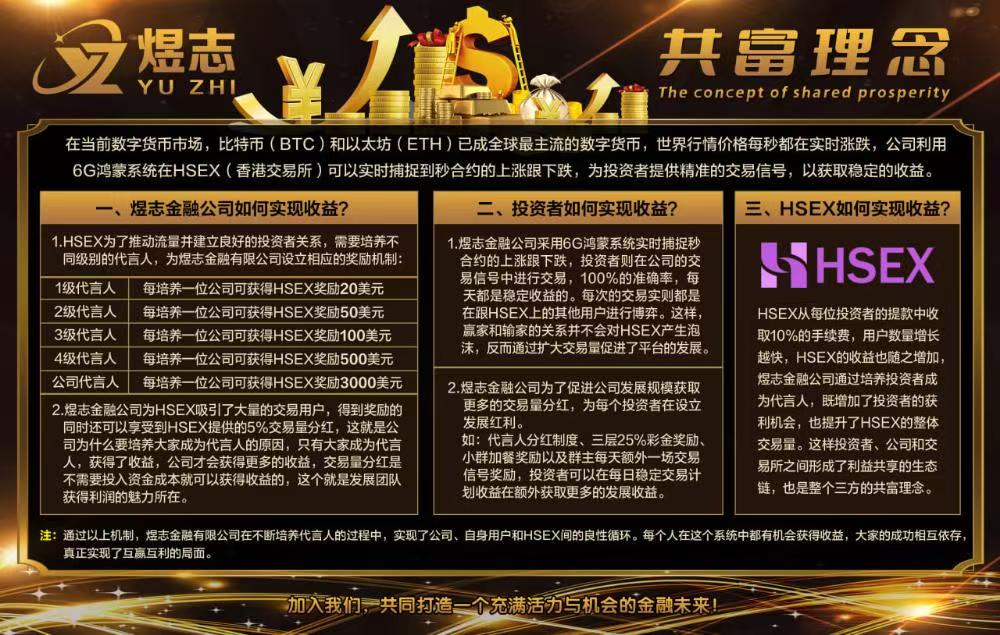
Core Viewpoint - The article discusses the recent collapse of a cryptocurrency trading platform named "Yuzhi Financial," highlighting the risks associated with virtual currency investments and the illegal activities that have emerged in this sector [3][19]. Group 1: Company Overview - Yuzhi Financial was established on September 3, 2024, claiming to operate in Hong Kong and was listed on the Hong Kong Equity Trading Display Center with stock code HK31919 [4]. - The platform falsely claimed to have developed a 6G Hongmeng system in collaboration with Huawei, asserting a 99.99% reliability in its trading signals [4]. - Yuzhi Financial utilized the HSEX app for trading, charging a 10% withdrawal fee, which was increased to 30% just before the platform's collapse [4][6]. Group 2: Regulatory Actions and Warnings - The HSEX exchange issued a notice regarding Yuzhi Financial's suspicious activities, including potential wash trading and market manipulation, leading to regulatory measures requiring a 20% deposit of total assets as a "self-certification margin" [5][6]. - The Hong Kong Stock Exchange had previously flagged Yuzhi Financial as a suspicious website and clarified that it had no affiliation with HSEX [10]. - Local authorities in various regions, including Guangdong, issued warnings about Yuzhi Financial's illegal financial activities, emphasizing that it lacked the necessary regulatory licenses [19][22]. Group 3: Investment Scheme and Risks - Yuzhi Financial employed a multi-level marketing strategy, offering incentives for users to recruit new investors, which is characteristic of Ponzi schemes [13][16]. - The platform advertised unrealistic returns, with claims of a 370.6% monthly growth rate for dynamic investments, which raised red flags about its legitimacy [12][16]. - Users reported that initial small investments yielded quick returns, which encouraged them to invest larger amounts, ultimately leading to significant losses when the platform collapsed [13][18]. Group 4: Industry Context - The article places Yuzhi Financial's collapse within the broader context of increasing illegal activities related to virtual currencies, including fraud and money laundering, particularly following the rise of stablecoins [21][23]. - Regulatory bodies, including the People's Bank of China, have intensified efforts to combat illegal cryptocurrency trading and related financial crimes, marking a significant shift in the regulatory landscape [20][23].


碰瓷华为、捏造香港稳定币交易所,监管严打炒币后一资金盘爆雷
Di Yi Cai Jing· 2025-12-15 10:09
Core Viewpoint - The convergence of Ponzi schemes and virtual currencies has led to significant financial fraud, exemplified by the collapse of the "Yuzhi Financial" platform, which claimed to operate in the virtual currency options market but has left users unable to withdraw funds [1][15]. Group 1: Company Overview - "Yuzhi Financial" was established on September 3, 2024, and falsely claimed to be based in Hong Kong, listing itself on the Hong Kong Equity Trading Display Center with stock code HK31919 [2]. - The platform utilized the Hong Kong Stablecoin Exchange (HSEX) app for trading, charging a 10% withdrawal fee, which was raised to 30% just before its collapse [4]. - The platform's operations were flagged as suspicious by the Hong Kong Stock Exchange, which listed it as a dubious website and clarified that it had no affiliation with HSEX [8]. Group 2: Financial Operations and Fraud Mechanisms - "Yuzhi Financial" employed a strategy of creating a false narrative of wealth generation through fabricated profit records, enticing users to invest more and leverage their positions [10]. - The platform offered both static and dynamic returns, with claims of a 370.6% monthly return on dynamic investments, which were part of a multi-tiered referral system designed to incentivize user recruitment [13][10]. - Users reported that initial small investments yielded quick returns, which were then used to encourage larger investments, ultimately leading to significant losses when the platform collapsed [10][15]. Group 3: Regulatory Context and Industry Risks - The People's Bank of China and other regulatory bodies have been actively working to combat illegal financial activities associated with virtual currencies, emphasizing that such activities are considered illegal financial operations [16][17]. - Recent regulatory measures have included the classification of stablecoins as a form of virtual currency, subjecting them to the same scrutiny and legal boundaries as other cryptocurrencies [17][18]. - The rise of Ponzi schemes utilizing virtual currencies has prompted warnings from various local governments, highlighting the risks associated with unregulated financial activities in this sector [15][16].