
蝉蜕

Search documents
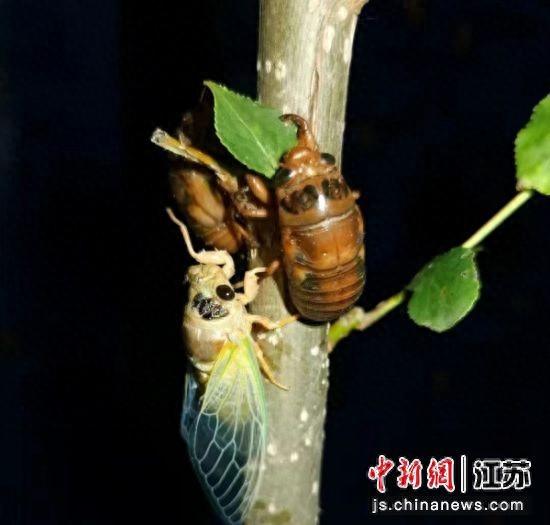
沛县:以蝉蜕抚育技术激活乡村振兴新动能
Xin Lang Cai Jing· 2026-01-06 08:06
Core Viewpoint - The "Black Cicada/Cicada Slough Wild Cultivation Standardization System Construction and Application Promotion" has been recognized as one of the "Top Ten Typical Cases of Traditional Chinese Medicine Supporting Rural Revitalization in 2025" [1] Group 1: Project Overview - The project is led by a research team from Jiangsu Provincial Academy of Traditional Chinese Medicine, in collaboration with local government and rural revitalization teams [3] - The black cicada slough, a traditional Chinese medicinal material, has seen increasing market demand and rising prices due to the growth of the traditional Chinese medicine industry [5][7] Group 2: Technical Development - The research team established an ecological breeding technology incubation base and research studio in Lu Lou Town, focusing on overcoming technical bottlenecks to convert ecological advantages into economic benefits [5] - The developed technology system includes "land/plant selection + egg branch standard cultivation + wild nurturing under trees + post-wash slough collection," resulting in an annual income increase of over 8,000 yuan per mu [5] Group 3: Training and Standards - The team has published a book titled "Ecological Breeding Technology of Golden Cicada and Its Medicinal and Edible Value," which has been revised four times and has trained over 2,000 farmers [8] - The team also established the first national group standard for the breeding and collection of cicada slough, providing a basis for industry standardization [8] Group 4: Collaborative Development Model - The project emphasizes a collaborative development model involving government policy guidance, enterprise demand connection, research institution technical support, and farmer production implementation [8]

涨价容易降价难 中药价格高企需“降虚火”
Zhong Guo Chan Ye Jing Ji Xin Xi Wang· 2025-07-06 22:23
Core Insights - The rising prices of traditional Chinese medicine (TCM) herbs are causing significant concern among patients, with many unable to afford necessary treatments [1][2][3] - The increase in prices is attributed to higher cultivation costs, multiple layers of pricing in the distribution chain, and speculative capital inflating prices [1][4][6] - Experts suggest that a collaborative approach involving government, enterprises, and the industry is essential to bring prices back to a reasonable level [1][7] Price Trends - Prices of various TCM products have doubled or even tripled in recent years, with specific examples such as the price of Compound Suanzaoren Capsules rising from 49.9 yuan in 2017 to 80 yuan, and in some cities reaching 150 yuan [2] - The price of traditional herbs like Bai Shao and Bai Shu has surged from 30-40 yuan per kilogram in 2022 to around 200-300 yuan in 2023 [2] - The price of herbs like Chan Tui has increased from approximately 600 yuan per kilogram five years ago to around 2000 yuan currently [2] Cost Factors - The increase in TCM herb prices is primarily due to rising labor and agricultural input costs, with the cost of cultivating Angelica Sinensis (Dang Gui) increasing from 2000 yuan to 3000 yuan per acre [4][6] - Extreme weather conditions, such as droughts, have also contributed to price hikes, with the price of Party Ginseng rising from 70 yuan to 110 yuan per kilogram [4] Distribution Challenges - The distribution chain for TCM is lengthy, involving multiple stakeholders, which leads to significant markups at each stage [5][6] - The high cost of raw materials is not easily passed down to consumers, as the prices of finished products remain elevated despite some reductions in raw material costs [6] Policy Recommendations - Experts recommend enhancing price regulation mechanisms to stabilize TCM herb prices and improve transparency in the market [7][8] - Suggestions include promoting mechanized and standardized cultivation practices, establishing direct supply chains from producers to retailers, and creating a comprehensive traceability system for TCM products [7][8]