血常规检查

Search documents
65岁以上老人免费体检启动 一文了解检查项目和注意事项
Yang Shi Xin Wen· 2026-02-15 00:39
Core Viewpoint - The free health check program for individuals aged 65 and above has commenced in 2026, funded by the national treasury, and has been implemented since 2009 [1] Group 1: Health Check Details - The physical examination includes standard checks such as temperature, pulse, respiration, blood pressure, height, weight, waist circumference, skin, superficial lymph nodes, lungs, heart, and abdomen, along with basic assessments of oral health, vision, hearing, and mobility [3] - Auxiliary examinations consist of routine blood tests, urine tests, liver function, kidney function, fasting blood glucose, blood lipids, electrocardiograms, and abdominal ultrasound (liver, gallbladder, pancreas, spleen). Starting in 2025, chest X-ray and glycated hemoglobin tests will be added [5] Group 2: Recommendations for Elderly Health Checks - It is advised that elderly individuals focus on cardiovascular checks, including carotid ultrasound and cardiac ultrasound, with additional tests like 24-hour Holter monitoring and coronary CT as needed [10] - Cancer screenings should include chest CT, abdominal ultrasound, and gastrointestinal endoscopy, with serum tumor marker tests as references. Women should pay attention to thyroid, breast, ovarian, and cervical cancer screenings, while men should focus on thyroid and prostate screenings [12] - Bone density tests are recommended for men over 50 and women over 45 [12] Group 3: Additional Health Considerations - Other tests may include Helicobacter pylori detection and fundus examination. A comprehensive geriatric assessment should also be conducted, evaluating physical condition, functional status, mental health, and social environment [15] - Certain medications may affect blood test results, such as antibiotics and proton pump inhibitors, and it is recommended to pause these medications before the health check if not necessary [17]


地中海贫血的预防从孕前开始
Xin Lang Cai Jing· 2026-02-02 16:59
Core Viewpoint - Mediterranean anemia is a common hereditary blood disorder that affects red blood cell production, leading to anemia symptoms. Early screening and preventive measures can significantly reduce the risk of children inheriting the disease from parents [1]. Group 1: What is Mediterranean Anemia? - Mediterranean anemia is caused by genetic mutations and is classified into two types: α-thalassemia and β-thalassemia. It affects hemoglobin synthesis, resulting in symptoms such as anemia, fatigue, and decreased immunity [2]. - α-thalassemia is due to the deletion or mutation of the α-chain gene, leading to varying degrees of anemia and potential complications like liver and spleen enlargement [2]. - β-thalassemia results from defects in the β-chain gene, causing severe anemia and symptoms like jaundice and skeletal deformities [2]. Group 2: Genetic Inheritance of Mediterranean Anemia - Mediterranean anemia follows an autosomal recessive inheritance pattern, meaning that both parents must carry the gene for their child to be affected. If only one parent is a carrier, the child is typically healthy but may be a carrier [3][4]. Group 3: Symptoms and Hazards of Mediterranean Anemia - Common symptoms include fatigue, dizziness, and pallor [5]. - Patients may experience liver and spleen enlargement, which can impair organ function [6]. - Severe cases, particularly of β-thalassemia, may lead to skeletal deformities and short stature [7]. - Long-term anemia can weaken the immune system, increasing susceptibility to infections [8]. Group 4: Importance of Prenatal Prevention - Prenatal prevention is crucial as it allows parents to determine if they are carriers of the Mediterranean anemia gene through screening. This knowledge enables them to take measures to reduce the risk of having an affected child [9]. Group 5: Recommended Prenatal Checks - Genetic screening for Mediterranean anemia is essential to identify if either parent is a carrier. This typically includes tests for both α and β-thalassemia genes [10][11]. - A complete blood count can help detect anemia, although carriers may not show obvious symptoms [11]. - Iron level testing is important to rule out iron deficiency anemia, which can exacerbate symptoms [11]. - A comprehensive health assessment for both parents is recommended to ensure overall health before pregnancy [11]. Group 6: Preventing the Birth of Affected Children - Couples can reduce the risk of having a child with Mediterranean anemia through genetic screening and counseling. If both parents are carriers, they may consider pre-implantation genetic diagnosis [12]. - Choosing a partner who is not a carrier can significantly lower the chances of having an affected child [12]. - Early detection and intervention during pregnancy, such as amniocentesis or non-invasive DNA testing, are crucial if there is a risk of the fetus having the condition [12]. Conclusion - Mediterranean anemia, as a hereditary disease, can be effectively prevented through prenatal genetic screening and early intervention. Understanding genetic carrier status and taking necessary precautions can greatly reduce the risk of having an affected child, emphasizing the importance of prenatal checks for prospective parents [13].
血常规上的“箭头”代表什么?这4个指标很关键
Yang Shi Xin Wen· 2025-07-02 06:55
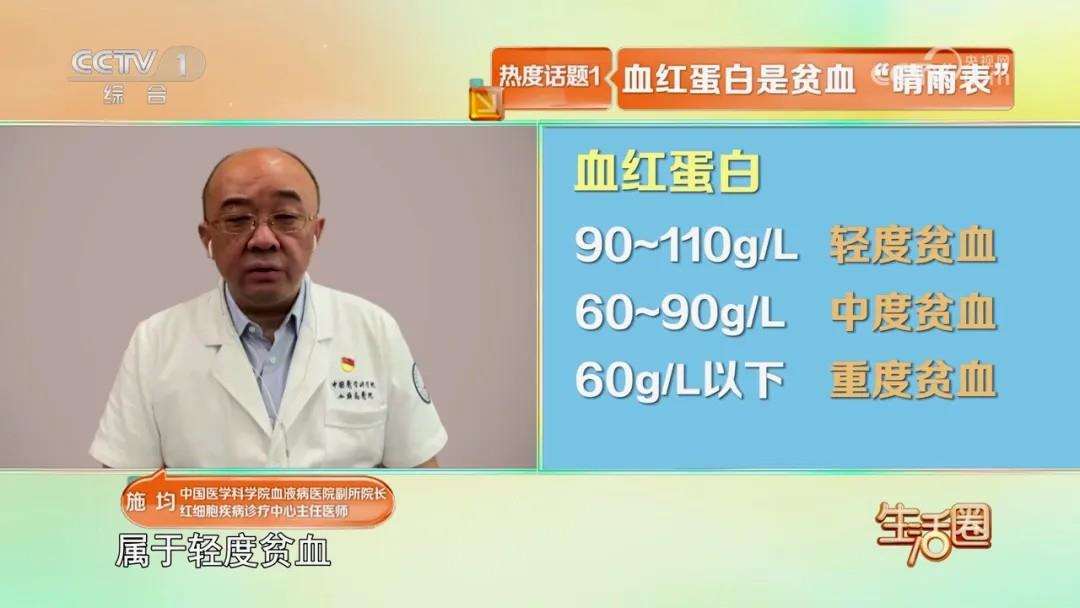
Core Points - The article emphasizes the importance of understanding key indicators in a blood routine test, specifically focusing on red blood cells, hemoglobin, white blood cells, and platelets [1][4][11] Group 1: Key Indicators - Red Blood Cells (RBC) and Hemoglobin (HGB) are crucial for oxygen transport and immune function, with normal values for males being 120-160 g/L and for females 110-150 g/L. Levels below 90 g/L indicate mild anemia, while below 60 g/L indicates severe anemia [1][4] - Platelets (PLT) play a vital role in blood clotting, with normal values ranging from (100-300)×10^9/L. Elevated levels can indicate a risk of thrombosis, while low levels increase bleeding risk [6][8] - White Blood Cells (WBC) are essential for immune defense, with normal values between (4.0-10.0)×10^9/L. Elevated levels may suggest infection, while low levels can indicate decreased immunity [11][15] Group 2: Clinical Implications - Elevated hemoglobin levels may indicate blood system diseases, while low levels suggest anemia, which can lead to serious health issues if not addressed [3][4] - Elevated platelet counts can be due to physiological factors but may also indicate underlying conditions if persistently high [7][9] - White blood cell count changes can signal infections, with specific patterns indicating bacterial or viral infections [12][14] Group 3: Testing Considerations - The article advises on pre-test preparations, such as avoiding high-fat and high-protein foods, alcohol, and ensuring good sleep to enhance test accuracy [19][20] - Post-test care includes monitoring for any adverse reactions and consulting a doctor for abnormal results [23]