话剧《最后一间报刊亭》

Search documents
报刊亭守护了被文字温暖的普通人
Xin Lang Cai Jing· 2026-01-11 20:19
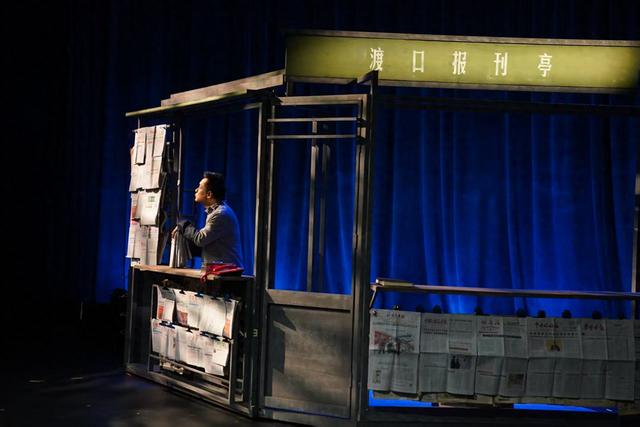
Core Viewpoint - The play "The Last Newsstand," part of the National Theatre's "Young Playwright Support Program," reflects on the cultural significance of newsstands and the connections they foster among people over three decades [1][2]. Group 1: Play Overview - The narrative centers around a newsstand that has operated for thirty years, highlighting the warmth of the print media era and the genuine connections between individuals [1]. - The inspiration for the play came from a news story about the last newsstand in Shanghai closing down, which deeply moved the playwright, Chen Yinuo [1]. Group 2: Character and Story Development - Chen Yinuo conducted multiple field visits to gather authentic material, witnessing the arduous process of newspaper sorting and the dedication of vendors [2]. - An encounter with an elderly woman selling newspapers illustrated the emotional and spiritual significance of newsstands, emphasizing their role as a "spiritual crossing" for many [2]. Group 3: Support and Future Plans - The success of the play is attributed to the support from the National Theatre's program, which provides a professional environment for young playwrights [2]. - Chen Yinuo expressed gratitude for the program's assistance in bridging the gap from script to stage, allowing the story to reach audiences effectively [2].
话剧《最后一间报刊亭》,油墨纸香里的温情岁月熠熠闪光
Xin Lang Cai Jing· 2026-01-11 10:59
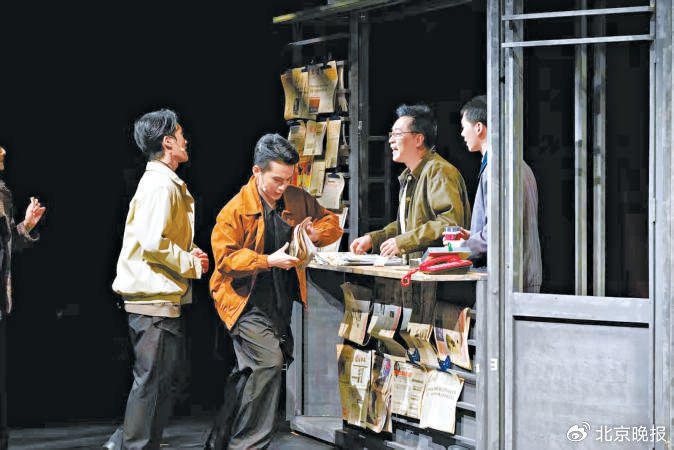
Core Viewpoint - The play "The Last Newsstand" premiered at the National Theatre, offering a nostalgic reflection on the cultural memories of the print media era, highlighting emotional connections that were once fostered through newspapers [2][4]. Summary by Sections Storyline and Structure - The narrative employs a reverse chronology, starting in the winter of 2025 as the last newsstand in Shanghai prepares to close, leading back to 1995 when the protagonist, Li Jimin, was a hopeful intern learning the trade [2]. - The story illustrates Li's journey from a novice to a successful news vendor, showcasing his interactions with various readers and the societal changes over three decades [2]. Character Development - The play features a diverse cast of characters, including Yu Ping, Liu Wanli, Wei Yuan, and He Xiaoyue, each representing different facets of life and personal growth influenced by their encounters at the newsstand [3]. - Liu Wanli finds direction in stock trading through newspapers, Wei Yuan strengthens his literary aspirations with Li's help, and He Xiaoyue discovers the world through geography publications [3]. Production Elements - The costumes and set design effectively reflect the 1990s economic vitality and individual awakening, with characters' outfits symbolizing their personalities and the era's spirit [3]. - The portrayal of Li Jimin and Master Zhang by the same actor emphasizes the generational connection and the shared values of responsibility and dedication in the profession [4]. Thematic Insights - The director, Wang Siting, emphasizes that the play is not merely nostalgic but a contemporary emotional drama that resonates with current audiences, prompting reflections on personal milestones [4]. - The enduring significance of newsstands is highlighted, as they continue to represent hope and warmth in people's lives, even as print media adapts to the digital age [5].

专访|话剧《最后一间报刊亭》编剧陈一诺:报刊亭守护了被文字温暖的普通人
Xin Lang Cai Jing· 2026-01-11 10:02
Core Viewpoint - The play "The Last Newsstand" reflects on the warmth of the print media era and the genuine connections between people, centering around a newsstand that has persisted for thirty years [1][3]. Group 1: Background and Inspiration - The inspiration for the play came from a news article about the last newsstand in Shanghai closing down, which deeply moved the playwright, Chen Yinuo, who felt compelled to create something in honor of the newsstand's legacy [3]. - Chen Yinuo's personal connection to newsstands stems from her childhood experiences, where she published articles in local newspapers, highlighting the significant role of print media in shaping her life [3]. Group 2: Creative Process - Writing a script that spans thirty years posed challenges, as Chen Yinuo aimed to capture enduring human emotions rather than merely documenting history [5]. - To enhance the authenticity of the characters and stories, Chen Yinuo conducted field visits to gather firsthand material, witnessing the labor-intensive process of newspaper sorting and the dedication of vendors [5]. Group 3: Support and Future Endeavors - The successful production of the play was made possible through the support of the National Theatre's "Youth Playwright Support Program," which provided a professional platform for young playwrights [7]. - Chen Yinuo expressed gratitude for the program's assistance in bridging the gap between script and stage, emphasizing the importance of this support for emerging talents [7].
油墨纸香里的温情岁月熠熠闪光
Xin Lang Cai Jing· 2026-01-11 08:53
Core Viewpoint - The play "The Last Newsstand" premiered at the National Theatre, reflecting on 30 years of cultural memory in the print media era, showcasing the emotional connections formed through daily interactions at a newsstand [3][4]. Group 1: Story Structure and Themes - The narrative employs a reverse chronology, starting in winter 2025 as the last newsstand in Shanghai prepares to close, taking the audience back to 1995 when the protagonist, Li Jimin, was an intern eager to become a full-time employee [3]. - The play illustrates the transformation of characters over time, emphasizing how their encounters at the newsstand inadvertently alter their life paths [4]. Group 2: Character Development - A diverse cast of characters is presented, including Li Jimin, his wife Yu Ping, stock trader Liu Wanli, aspiring writer Wei Yuan, and student He Xiaoyue, each representing different facets of society and personal aspirations [4]. - The characters' interactions with the newsstand serve as pivotal moments that shape their futures, highlighting the significance of seemingly mundane experiences [4]. Group 3: Production Elements - The production's costume and set design effectively capture the essence of the 1990s, with specific attire symbolizing the economic vitality and individual awakening of that era [4]. - The dual portrayal of Li Jimin and his mentor, Master Zhang, by the same actor underscores the generational connection and the enduring values of the newspaper profession [5]. Group 4: Director's Perspective - Director Wang Siting emphasizes that the play is not merely nostalgic but a contemporary emotional drama that reflects on the past while being rooted in the present [5]. - The narrative invites the audience to recall their own significant "small harbors" in life, suggesting that the essence of print media continues to resonate despite the rise of new media [5].