
人间温情

Search documents
故乡正月烟火暖
Xin Lang Cai Jing· 2026-02-26 23:51
Group 1 - The article describes the warm and festive atmosphere of the hometown during the Lunar New Year, highlighting the sense of community and tradition that permeates the celebrations [1][2] - The local markets are bustling with fresh produce and traditional foods, creating a vibrant scene that evokes nostalgia and warmth among the residents [1] - Family gatherings during the New Year are characterized by heartfelt conversations and a sense of togetherness, emphasizing the importance of familial bonds and shared experiences [2] Group 2 - The natural beauty of the surroundings, including the Qinling Mountains and the Dan River, adds to the serene and peaceful ambiance of the hometown during the festive season [2] - Traditional performances, such as Qin opera and flower drum music, enhance the cultural richness of the celebrations, drawing the attention and appreciation of the local community [1] - The article reflects on the enduring connection to the hometown, portraying it as a source of comfort and stability regardless of how far one travels [2]
老人失联8天7夜 疑似靠树叶存活
Xin Lang Cai Jing· 2026-02-25 18:57
Core Viewpoint - A community in Yutai Town, Langzhong City, successfully rescued a 60-year-old woman with Alzheimer's disease who had been missing for 8 days, highlighting the importance of local support and neighborly care [6][10]. Group 1: Incident Overview - The elderly woman, Guan Kaiying, went missing on February 11 after leaving her home alone [7]. - Her family and local villagers formed a search team, but initial efforts, including police involvement, were unsuccessful [7][8]. - On February 18, villagers heard cries and discovered her in a thicket after a thorough search [8]. Group 2: Rescue Details - The search team found Guan Kaiying weak and injured, having survived by possibly eating leaves during her time lost [9]. - Villagers provided immediate assistance, including food and transport back to her home [9]. - The incident prompted local officials to emphasize the need for better safety measures for elderly and sick residents in rural areas [10].

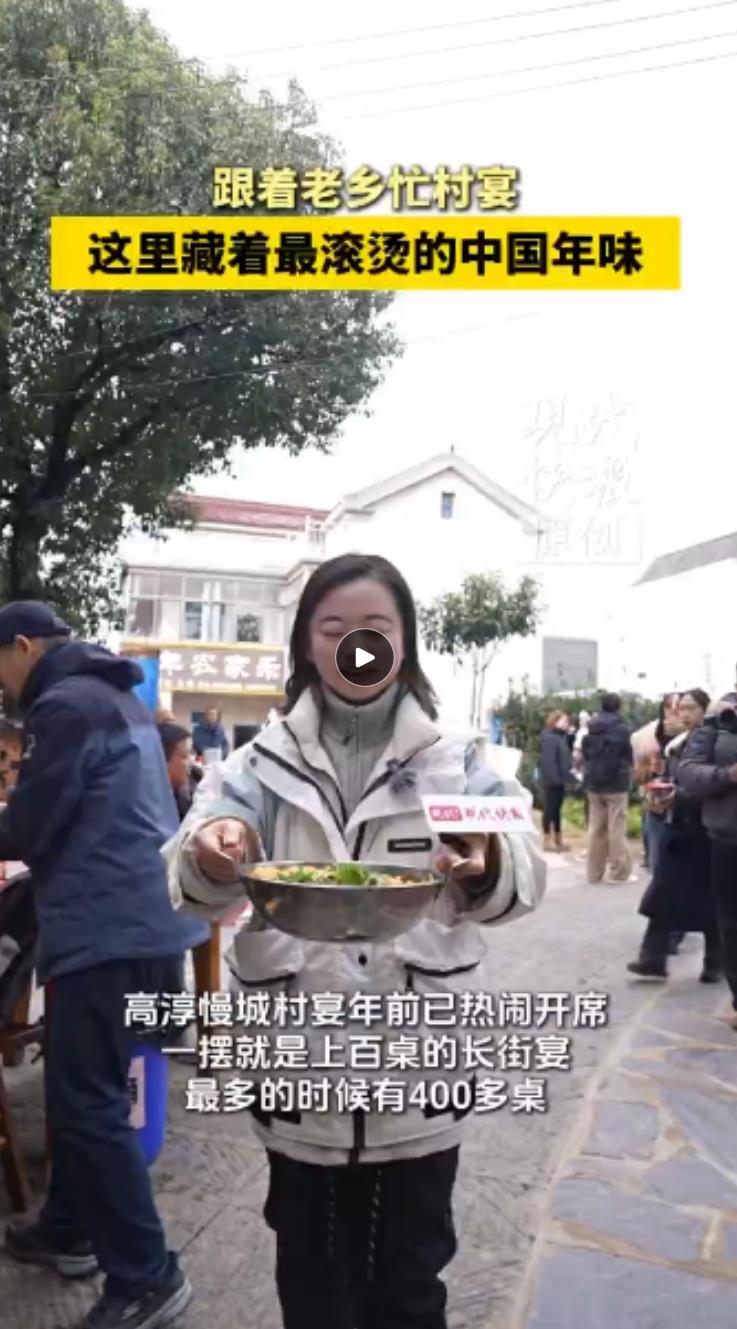
热气腾腾的中国年|村宴里藏着最滚烫的中国年味儿
Xin Lang Cai Jing· 2026-02-16 11:54
Core Viewpoint - The article highlights the vibrant atmosphere of village banquets in China, particularly focusing on a large-scale event in Nanjing's Gaochun District, which brings together local residents and tourists to celebrate the New Year through communal dining and cultural performances [1][4][8]. Group 1: Event Description - The village banquet featured over 100 long tables, creating a festive environment filled with laughter and traditional music, attracting over a thousand participants [1][4]. - The menu included 11 traditional dishes, prominently featuring local specialties such as "Gaochun Six Small Pots," which includes unique local cooking methods [4][5]. - The event also showcased traditional performances, including the East Dam Horse Lantern dance and dragon and lion dances, enhancing the celebratory atmosphere [5][6]. Group 2: Preparation and Organization - The banquet required extensive preparation, taking two to three weeks and involving hundreds of local villagers, ensuring community engagement and additional income for participants [5][6]. - Food preparation began early on the day of the event, with a focus on quality and safety, including the procurement of fresh ingredients and strict food safety measures [6][7]. - The event was part of a broader initiative to promote local culture and traditions, integrating various forms of folk art and crafts from across the province [7][8]. Group 3: Cultural Significance - The rise of village banquets across China reflects a growing trend in cultural tourism, emphasizing communal dining experiences that strengthen social bonds and cultural identity [8][9]. - These events are reshaping contemporary Chinese perceptions of the New Year and family reunions, fostering a sense of community and shared memory [9][10]. - The article emphasizes that the essence of these gatherings lies not just in the food but in the warmth and connections formed among participants, highlighting the importance of human interaction in cultural celebrations [10][11].
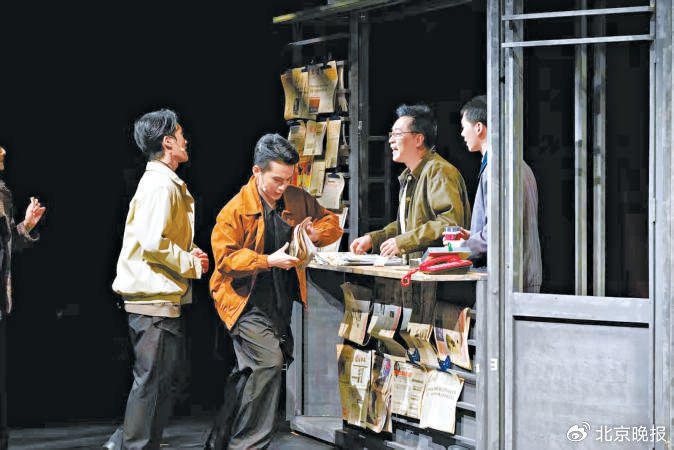
话剧《最后一间报刊亭》,油墨纸香里的温情岁月熠熠闪光
Xin Lang Cai Jing· 2026-01-11 10:59
Core Viewpoint - The play "The Last Newsstand" premiered at the National Theatre, offering a nostalgic reflection on the cultural memories of the print media era, highlighting emotional connections that were once fostered through newspapers [2][4]. Summary by Sections Storyline and Structure - The narrative employs a reverse chronology, starting in the winter of 2025 as the last newsstand in Shanghai prepares to close, leading back to 1995 when the protagonist, Li Jimin, was a hopeful intern learning the trade [2]. - The story illustrates Li's journey from a novice to a successful news vendor, showcasing his interactions with various readers and the societal changes over three decades [2]. Character Development - The play features a diverse cast of characters, including Yu Ping, Liu Wanli, Wei Yuan, and He Xiaoyue, each representing different facets of life and personal growth influenced by their encounters at the newsstand [3]. - Liu Wanli finds direction in stock trading through newspapers, Wei Yuan strengthens his literary aspirations with Li's help, and He Xiaoyue discovers the world through geography publications [3]. Production Elements - The costumes and set design effectively reflect the 1990s economic vitality and individual awakening, with characters' outfits symbolizing their personalities and the era's spirit [3]. - The portrayal of Li Jimin and Master Zhang by the same actor emphasizes the generational connection and the shared values of responsibility and dedication in the profession [4]. Thematic Insights - The director, Wang Siting, emphasizes that the play is not merely nostalgic but a contemporary emotional drama that resonates with current audiences, prompting reflections on personal milestones [4]. - The enduring significance of newsstands is highlighted, as they continue to represent hope and warmth in people's lives, even as print media adapts to the digital age [5].
千山暮雪海棠依旧
Xin Lang Cai Jing· 2025-12-21 00:07
Group 1 - The article reflects on the historical significance of the Anti-Japanese War and the sacrifices made by the ancestors for the country's prosperity and peace [1] - It emphasizes the resilience and determination of the Chinese people during difficult times, highlighting the leadership of figures like Zhou Enlai [1] - The narrative connects the past struggles to the present, showcasing the pride and strength of the current generation in continuing the legacy of their forebears [3] Group 2 - The article illustrates a moment of connection among strangers, emphasizing the warmth and kindness that can exist in everyday interactions [6][9] - It describes the transformation of a mundane elevator ride into a space of community and communication, breaking the barriers of anonymity [8][10] - The presence of a friendly individual in the elevator serves as a catalyst for fostering relationships and creating a sense of belonging among residents [11]