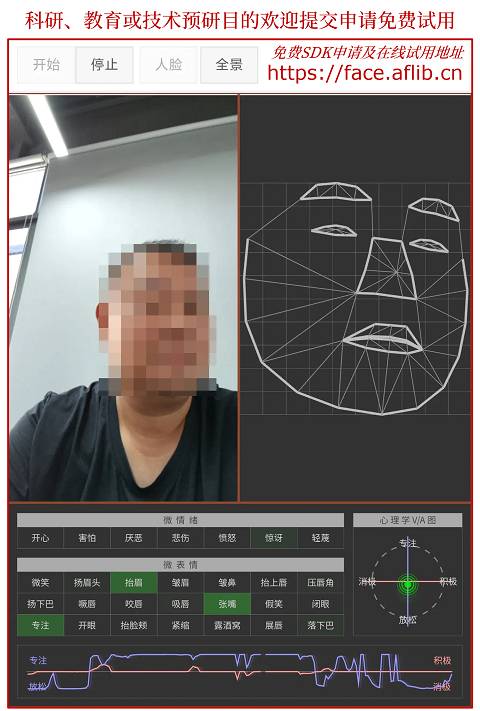
课堂微表情监测系统

Search documents
课堂微表情监测:AI如何精准识别教学反馈和学生情绪状态?
Cai Fu Zai Xian· 2025-12-03 10:23
Core Viewpoint - The integration of technology and education through micro-expression analysis can enhance personalized teaching by providing insights into students' emotional states and learning effectiveness [1][13]. Group 1: Technical Challenges - Achieving micro-expression analysis for each student in a classroom setting involves addressing several key technical challenges, including multi-target processing, identity consistency, and long-term tracking of emotional changes [2]. - The system requires the use of advanced facial detection algorithms like MTCNN or YOLOv5 to accurately identify faces under varying classroom conditions [2]. - Ensuring data consistency with specific student identities is critical, which can be achieved through facial clustering and database matching or real-time facial recognition models [3][6]. Group 2: System Architecture - The system architecture includes generating individual video streams for each student after identity confirmation, which involves extracting facial regions and enhancing images for accurate micro-expression analysis [6]. - Micro-expression analysis utilizes the Facial Action Coding System (FACS) to identify emotional states and track psychological positions over time [7]. Group 3: Data Aggregation and Alerts - The system aggregates micro-expression data over time to create emotional fluctuation maps for each class, which can indicate levels of focus and interest [9]. - It establishes long-term emotional trend lines and can automatically alert psychological counselors when negative emotional patterns are detected [9]. Group 4: Ethical and Practical Considerations - The system must incorporate strict privacy and ethical protections, ensuring data is encrypted and only accessible to authorized personnel when risks are identified [9]. - The solution must be robust enough to handle classroom-specific challenges such as lighting changes and student movement [10]. Group 5: Performance Optimization - Optimizing system performance is essential for processing high-resolution video streams from 30-50 students, potentially through edge computing or local processing solutions [11]. Group 6: Application Prospects - This technology not only serves classroom teaching assessments but can also be adapted for online education, providing feedback on student engagement [13]. - The long-term development of student emotional profiles can support personalized teaching and mental health interventions, marking a shift towards a more individualized and scientifically informed educational approach [13].