豫剧《穆桂英挂帅》

Search documents
用优质文化资源厚植乡村振兴根基
Jing Ji Ri Bao· 2025-10-27 00:04
Core Viewpoint - The "Cultural Enrichment of Rural Areas" work plan (2025-2027) aims to enhance rural cultural development and support the comprehensive revitalization of rural areas through ten key tasks, including the creation of culturally appealing works for farmers and the promotion of cultural services that empower rural industry development [1][2]. Group 1: Cultural Significance and Current State - Rural areas are the root and carrier of traditional Chinese culture, playing a crucial role in the historical process of building a modern socialist country [2]. - As of the end of 2024, the rural permanent population in China is 464.78 million, with a per capita disposable income of 23,119 yuan, compared to 54,188 yuan for urban residents, highlighting the income disparity between urban and rural areas [2]. Group 2: Strategies for Cultural Development - To make culture a catalyst for rural revitalization, a systematic approach that aligns with rural realities and encourages community participation is essential [3]. - It is important to identify and utilize unique rural cultural characteristics and intangible cultural heritage to enrich cultural resource supply [3]. - The development of digital infrastructure, such as fiber optics and 5G networks, is crucial for supporting the dissemination of cultural resources and enhancing accessibility for rural residents [3]. Group 3: Talent Development and Community Engagement - Cultivating a local talent pool and cultural leaders in rural areas is necessary to create works that reflect rural changes and enhance the attractiveness of these areas [3]. - Engaging villagers in cultural and sports activities, such as basketball and football, can foster community spirit and promote cultural integration [3].
在戏曲舞台上绽放独特光芒——第十一届全国残疾人艺术汇演(戏曲类)节目倾情上演
Hua Xia Shi Bao· 2025-08-20 03:14
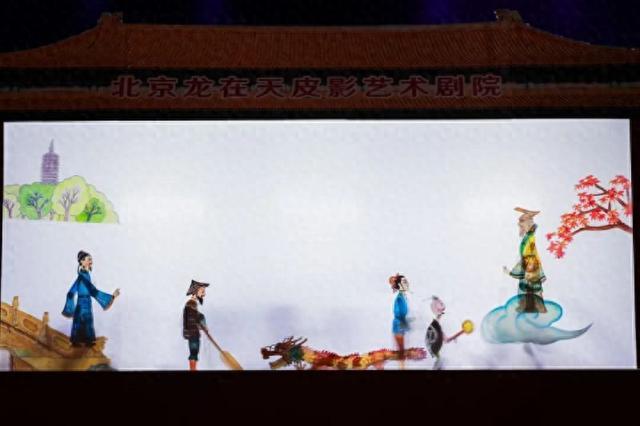
Group 1 - The core theme of the 11th National Disabled Artists Performance is to showcase the artistic talents of disabled performers and their integration into society through traditional Chinese opera [2][3] - The Beijing team presented a shadow play titled "The Legend of the Grand Canal," which conveys the message of serving society and overcoming personal limitations [3] - The performance featured "pocket-sized" actors who have dedicated years to mastering the art of shadow puppetry, aiming to highlight the value and capabilities of disabled individuals [3] Group 2 - The Hubei team performed the classic Peking opera "Entering the Palace Twice," which included 15 actors, 12 of whom are disabled, demonstrating their passion for art despite physical challenges [5][7] - The lead actor, who has undergone multiple surgeries, and other performers expressed their desire to showcase their artistic resilience rather than their disabilities [7] - The audience was deeply moved by the performances, highlighting the emotional impact of the art [7] Group 3 - The Hunan team presented a flower drum opera titled "I Can Too," featuring hearing-impaired children who used sign language to express their love for traditional culture [9] - This performance emphasized the inclusivity and transmission of traditional culture, moving many audience members to tears [9] Group 4 - The Henan team’s performance of the Yu opera "Mu Guiying Takes Command" involved 25 disabled actors, showcasing a blend of traditional and innovative artistic elements [10][12] - The integration of war drum performances with Yu opera aimed to appeal to both older and younger audiences, demonstrating the evolution of traditional art forms [10] Group 5 - The Sichuan team combined Sichuan opera with Nanjing shadow puppetry, highlighting the creativity and artistic potential of disabled performers [14] - This innovative fusion showcased that disabilities do not hinder artistic expression but can enhance it, contributing to the preservation and transmission of intangible cultural heritage [14] Group 6 - The overall event served as a platform for disabled artists to redefine possibilities through their performances, emphasizing the importance of cultural heritage and artistic talent [15]