贵州村马

Search documents
“贵州村马”吸客1600万人次 全网话题热度破20亿次
Zhong Guo Xin Wen Wang· 2026-02-06 08:13
Group 1 - The core viewpoint of the article highlights the successful development of the "Guizhou Village Horse" cultural IP in Sandu County, attracting 16 million tourists and generating over 2 billion online discussions [1][2] - Sandu County is recognized as the only water ethnic autonomous county in China, home to 11 ethnic groups, with over 63% of the national water population residing there, earning titles such as "Hometown of Horse Racing" and "Most Beautiful County" [2] - The "Guizhou Village Horse" initiative has transformed Sandu County from a local cultural activity to a key driver of rural revitalization, aiming to establish it as a global destination for water ethnic cultural tourism [2] Group 2 - In the first year of the 14th Five-Year Plan, Sandu County is focusing on integrating culture, sports, and tourism, allocating 10 million yuan for incentives to travel agencies and self-driving groups, offering subsidies based on visitor numbers [4] - The county has launched the "Horse Year Guest Plan," providing free entry to A-level tourist attractions for individuals with names related to horses and offering various benefits during major holidays [5][6] - Additional discounts are available for teachers, healthcare workers, and seniors, including free access to attractions and dining experiences [6]


文旅促“三交” 三地有实招
Zhong Guo Xin Wen Wang· 2025-10-21 14:24
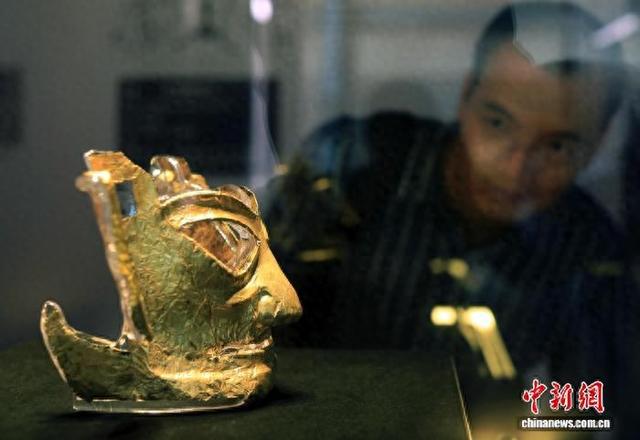
Core Insights - The article discusses the integration of cultural and tourism industries in various regions of China to strengthen the sense of community among different ethnic groups and promote economic growth [1][3][4]. Group 1: Cultural and Tourism Development - Regions like Deyang, Guizhou, and Yinchuan are leveraging local cultural resources, such as the Sanxingdui site and the "Guizhou Village Horse" brand, to create unique tourism experiences that foster ethnic unity [1][4]. - Deyang is utilizing its rich cultural heritage, including ancient Shu culture and Three Kingdoms culture, to develop tourism projects that enhance cultural confidence and promote a shared national identity [3][4]. - Guizhou's tourism initiatives, such as the "Guizhou Village Horse" and various cultural festivals, are designed to integrate ethnic culture into tourism, thereby enhancing community engagement and economic benefits [4][7]. Group 2: Economic Impact and Community Engagement - In 2024, Guizhou's tourism efforts resulted in over 600 million visitors and a total tourism revenue of 23.2 billion yuan, showcasing the economic potential of cultural tourism [8]. - Yinchuan's tourism initiatives, including the development of wine tourism and night markets, have attracted over 6 million visitors annually, generating approximately 1.846 billion yuan in tourism revenue [8][14]. - Deyang has established 21 cultural tourism villages and 84 local artistic teams, contributing to an average annual income increase of over 10,000 yuan for local residents through tourism-related activities [8][14]. Group 3: Future Plans and Innovations - Deyang plans to enhance the integration of cultural and tourism sectors by establishing a comprehensive development mechanism and promoting cross-regional collaboration [13][14]. - Guizhou aims to elevate its tourism brand by developing red tourism and ecological wellness projects, while also fostering regional cooperation for a collaborative tourism development model [14]. - Yinchuan is focused on creating distinctive tourism projects that enhance the visibility of its cultural heritage, particularly through the successful application of the Western Xia Mausoleum as a UNESCO World Heritage site [14].