超声波脑机接口

Search documents
我国首家超声波脑机接口企业成立
Ke Ji Ri Bao· 2026-01-13 09:01
Core Viewpoint - The establishment of Gestala, China's first ultrasound brain-computer interface company, marks a significant advancement in the field of brain-computer interfaces, focusing on a new route centered on ultrasound technology [1][2]. Group 1: Company Overview - Gestala was co-founded by Peng Lei, former CEO of Brain Tiger Technology, and Chen Tianqiao, founder of Shanda Group and Tianqiao Brain Science Research Institute [1]. - The company is based in Chengdu and aims to explore next-generation platforms for reading and writing brain signals [1]. Group 2: Technology and Innovation - Ultrasound brain-computer interface technology addresses traditional challenges in brain science research, particularly the difficulties in achieving both "whole-brain imaging" and "real-time response" [1]. - Unlike invasive electrodes and functional MRI (fMRI) that have delays of 3-10 seconds, ultrasound technology allows for non-invasive, precise modulation of specific brain areas and high temporal and spatial resolution recording of blood flow signals in different brain regions [1]. Group 3: Collaborations and Future Plans - Gestala has established collaborative frameworks with Huashan Hospital, Xiehe Hospital, and West China Hospital, aiming to deepen industry-academia-research-medical cooperation for clinical studies on various indications [1]. - The company plans to leverage China's advantages, such as policy support, abundant talent, low clinical costs, large patient scale, and a complete industrial chain, to potentially achieve a competitive edge in the ultrasound brain-computer interface field [2].
成都一批重大项目开年“交卷”
Xin Lang Cai Jing· 2026-01-12 18:00
Group 1: Major Projects and Developments - Sichuan Celebrity Museum plans to complete exhibition layout and operations by Q1 2026 [3][12] - The Central Performing Arts Theater in Chengdu is nearing completion, aiming for acceptance before the Spring Festival [5][11] - The Pengzhou National Fitness Center is expected to be basically completed before the Spring Festival [7][15] Group 2: Technological Advancements - The establishment of Gestalt (Chengdu) Technology Co., the first company in China focusing on ultrasound brain-computer interface technology, marks a new technological path in this field [9][10] - Chengdu is accelerating the application of brain-computer interface technology, with several companies and a dedicated industrial park already in place [10] - The domestic first fusion technology innovation city in Sichuan has completed the main construction of its research base, with key laboratories expected to be operational by 2025 [10] Group 3: Cultural Infrastructure - The Central Performing Arts Theater will serve as a multifunctional cultural complex, enhancing cultural experiences for citizens [11] - The Sichuan Celebrity Museum will provide immersive experiences related to 70 historical figures from Sichuan, with a focus on cultural expression through its architectural design [12] Group 4: Economic Growth and Headquarters Establishment - Chengdu has seen a significant influx of headquarters, with 22 out of 31 new headquarters enterprises in Sichuan located in the city, reflecting a strong business environment [14][15] - The establishment of numerous headquarters is enhancing Chengdu's industrial chain and overall economic vitality, contributing to high-quality development [15]


很愿意在成都做硬科技企业
Xin Lang Cai Jing· 2026-01-12 18:00
Core Insights - The article discusses the establishment of Gestala Technology, China's first ultrasound brain-machine interface company, founded by Peng Lei in Chengdu, highlighting the shift from invasive to non-invasive technology in brain research [3][4]. Group 1: Company Overview - Gestala Technology was officially established on January 1, 2026, in Chengdu, marking a significant step in the field of brain-machine interfaces [3]. - The founder, Peng Lei, transitioned from leading Brain Tiger Technology, a leader in invasive brain-machine interfaces, to explore ultrasound technology for broader brain research applications [3][4]. Group 2: Technology and Innovation - The core technology of ultrasound brain-machine interfaces includes "ultrasound phased array" and "ultra-fast ultrasound imaging," allowing for non-invasive control and recording of brain activity [5][6]. - The company aims to address three main challenges: penetrating the skull, decoding complex signals, and ensuring precise control of ultrasound focus on target brain areas [6]. Group 3: Strategic Location - Chengdu was chosen as the headquarters due to its comprehensive "industry-university-research-medical" ecosystem, which aligns with the company's development goals [7]. - The city offers strong clinical resources, academic institutions, and government support, positioning it as a hub for hard technology innovation [7].
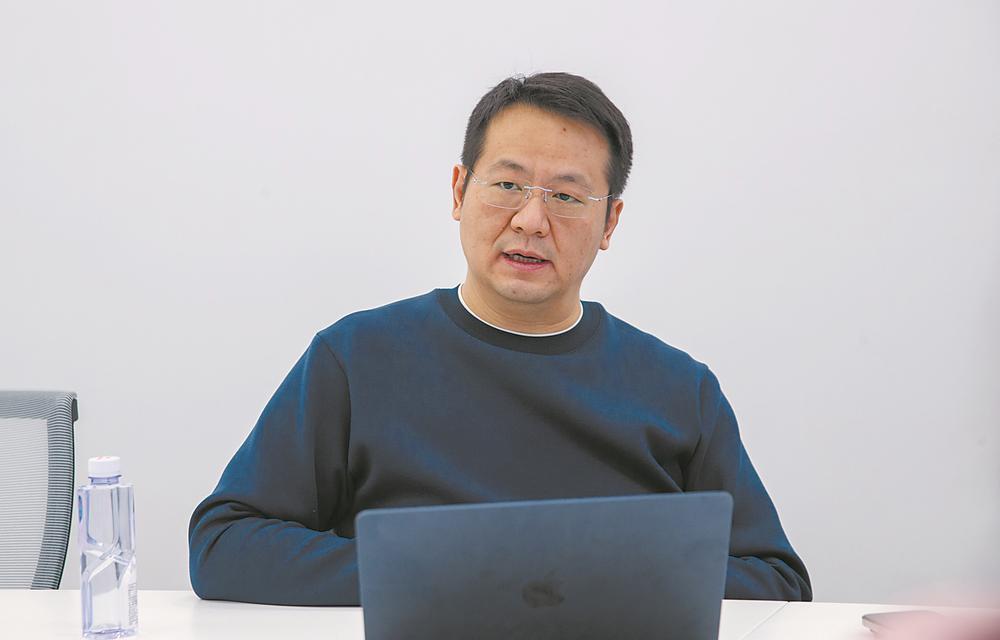
陈天桥再次押注!中国首家超声脑机接口公司格式塔 Gestala 正式成立,开启全脑读写脑机接口时代
Sou Hu Wang· 2026-01-05 05:06
Core Viewpoint - Gestala (Chengdu) Technology Co., Ltd. has officially launched as China's first company focused on ultrasound brain-machine interface technology, aiming to provide innovative solutions for brain disease treatment and neuroscience research through non-invasive ultrasound technology [1][2][3]. Company Overview - Gestala was co-founded by Peng Lei, former co-founder and CEO of Brain Tiger Technology, and Chen Tianqiao, founder of Shanda Group and Tianqiao Brain Science Research Institute, focusing on the innovation of ultrasound brain-machine interface technology [3][5]. - The company is located in Chengdu's Tianfu International Biological City and has also established a presence in Shanghai's Brain Intelligence World, a hub for brain-machine interface industries [3]. Technology and Applications - Gestala's ultrasound technology features non-invasive, high spatiotemporal resolution, and full-brain coverage, targeting clinical interventions for central nervous system diseases such as chronic pain, depression, and Alzheimer's disease [1][6]. - The ultrasound brain-machine interface is expected to enable precise modulation of specific brain regions without the need for surgery, allowing for innovative treatments and exploration of new targets for related brain diseases [6][8]. - The company plans to launch its first magnetic resonance-guided device for chronic pain management and initiate the NMPA registration process by the end of 2026 [8]. Clinical Collaborations and Research - Gestala has established collaborative frameworks with top hospitals such as Huashan, Xiehe, and Huaxi, aiming to deepen the synergy between industry, academia, and clinical research [8][11]. - The company has reported significant clinical intervention results in chronic pain management and depression, with effects lasting up to seven days after treatment [8]. Market Potential and Competitive Landscape - The global ultrasound brain-machine interface financing boom positions China to potentially "leapfrog" in this field, with significant investments flowing into ultrasound technology as a disruptive alternative to invasive methods [9][10]. - The ultrasound route is gaining traction due to its ability to cover 25% of the brain volume, compared to traditional invasive methods that are limited to localized areas [7][11]. - Gestala's interdisciplinary team includes experts from neuroscience, AI, ultrasound engineering, and clinical medicine, enhancing its capability for research breakthroughs and clinical applications [11].

陈天桥再投资,押注中国首家→
新华网财经· 2026-01-01 06:45
Core Insights - The article discusses the establishment of Gestalt (Chengdu) Technology Co., Ltd., a brain-computer interface (BCI) company founded by Chen Tianqiao and Peng Lei, focusing on ultrasound technology for brain signal reading and writing [1][3]. Group 1: Company Overview - Gestalt is the first domestic company in China to specialize in ultrasound brain-computer interface technology, aiming to accelerate the commercialization of BCI [1]. - The company was officially announced on January 1, 2026, marking a new direction in the field of brain-computer interfaces in China [1]. Group 2: Technology and Innovation - The ultrasound BCI technology is expected to provide a non-invasive method for precise modulation of specific brain regions, which could lead to innovative treatments for brain diseases [3]. - The technology allows for high spatiotemporal resolution recording of brain activity, opening new pathways for fundamental research in neuroscience [4]. Group 3: Clinical Applications - Clinical studies have shown that ultrasound modulation can significantly reduce pain intensity in chronic pain management, with effects lasting approximately one week [4]. - The technology is also being explored for its potential in treating various central nervous system disorders, including depression, Alzheimer's disease, and stroke rehabilitation [4].