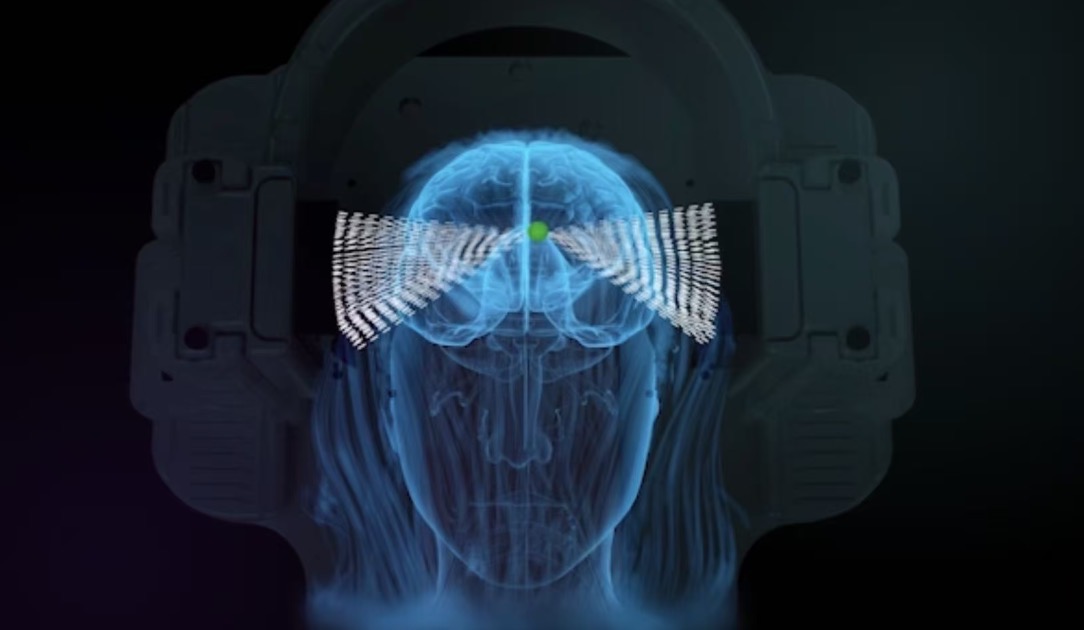
超声波脑机接口

Search documents
格式塔科技完成1.5亿元天使轮融资,国内脑机接口领域最大规模天使轮
机器人圈· 2026-03-13 10:12
Core Viewpoint - Gestala Technology, the first domestic company focused on ultrasound brain-machine interfaces, has completed a 150 million yuan angel round financing, setting a record for the highest angel round financing in China's brain-machine interface sector [4][5]. Financing Details - The financing round was led by Guosheng Capital and Daotong Investment, with participation from several well-known investment institutions and companies, including Qingsong Capital and Gobi Partners [4]. - The funds raised will primarily be invested in product development and early clinical trials, focusing on core technology, clinical registration, AI integration, and advanced technology layout [6][7]. Industry Context - The global brain-machine interface industry is experiencing an investment boom, particularly in the "ultrasound track," with notable companies like Merge Labs and Nudge also securing significant funding [5]. - The advantages of ultrasound pathways over traditional invasive electrical methods include non-invasiveness, full-brain "reading and writing," and multi-target neural circuit regulation, addressing a wide range of clinical needs [5][6]. Product Development and Clinical Trials - Gestala Technology plans to establish its headquarters and first production line in Chengdu by the second quarter of this year, with the first product focusing on chronic pain management [6]. - Clinical trials have shown that a single stimulation can reduce pain scale scores by 50%, with effects lasting 1-2 weeks [6]. Strategic Vision - The company aims to create a brain-machine interface platform based on ultrasound with full-brain reading and writing capabilities, providing innovative treatment methods for various neurological diseases and exploring the integration of brain science and artificial intelligence [6][7].


陈天桥联合前脑虎科技CEO创立新公司,布局超声波脑机接口赛道
Xin Lang Cai Jing· 2026-01-07 12:49
Core Insights - The newly established company Gestala, co-founded by former CEO of Brain Tiger Technology Peng Lei and Chen Tianqiao, aims to explore next-generation brain signal reading and analysis through ultrasound brain-machine interface technology [2][5]. Company Overview - Gestala has set up operations in Chengdu Tianfu International Bio-City and is located in the Shanghai Brain-Machine Interface Industrial Cluster [2][5]. - The company plans to develop its products in phases, with the first generation focusing on chronic pain management and expected to initiate registration processes with the National Medical Products Administration (NMPA) by the end of 2026 [2][5]. Technology and Innovation - The ultrasound technology used by Gestala can indirectly decode neural activity by capturing blood flow signals, covering 25% of the entire brain volume while reaching deep brain areas and enabling simultaneous monitoring of multiple brain regions [2][5]. - This technology addresses the long-standing challenge in brain science research of balancing whole-brain imaging and real-time response, which has been difficult with existing methods like fMRI and invasive electrodes [2][5]. Industry Context - Chen Tianqiao has invested $1 billion over the past decade to support global brain science research and has successfully incubated multiple brain-machine interface companies through his firm, Shengda [3][6]. - The ultrasound brain-machine interface sector has seen significant financing activity, with companies like Merge Labs planning to raise $250 million at an $850 million valuation, and Nudge securing $100 million in Series A funding [3][6].

全国首家超声波脑机接口公司在蓉成立
Xin Lang Cai Jing· 2026-01-05 20:49
Core Viewpoint - The establishment of Gestala, the first company in China focusing on ultrasound brain-machine interface technology, marks a significant advancement in the brain-machine interface sector in Chengdu, China [1][2]. Group 1: Company Overview - Gestala was founded on January 1, 2023, by Peng Lei and Chen Tianqiao, aiming to develop ultrasound brain-machine interface technology [1]. - The company is located in Chengdu, which is a key area for cutting-edge technology industries, particularly in brain-machine interfaces [1][2]. Group 2: Technology and Innovation - The ultrasound brain-machine interface is positioned as a promising technology for achieving "whole-brain read-write" capabilities, addressing various central nervous system disorders [2]. - Compared to traditional methods, ultrasound technology offers unique advantages in both "writing" and "reading" brain signals, with clinical studies showing significant effects on conditions like chronic pain and depression [2][3]. Group 3: Market Position and Future Plans - Since 2025, ultrasound brain-machine interfaces have become a global investment hotspot, with companies like Merge Labs achieving valuations of $850 million [3]. - Gestala plans to develop multiple product generations, starting with a bench-top device and moving to a wearable device, with the first product targeting chronic pain management expected to begin the NMPA registration process this year [3][4]. - The company aims to enhance collaboration across academia, industry, and healthcare to accelerate the clinical application of its technologies [3][4]. Group 4: Industry Context in Chengdu - Chengdu is rapidly advancing in the commercialization of brain-machine interface technologies, supported by local policies and academic resources [5]. - The city has become a hub for various technological paths in brain-machine interfaces, including invasive, non-invasive, and ultrasound methods, contributing to a more complete ecosystem in this field [5].
陈天桥亲自下场押注脑机接口赛道,中国首家超声波BCI企业格式塔成立
Hua Xia Shi Bao· 2026-01-01 11:58
Core Insights - The establishment of Gestala Technology Co., Ltd. marks a significant opportunity for brain science innovation in China, focusing on non-invasive ultrasound brain-computer interface (BCI) technology, differentiating itself from Elon Musk's Neuralink [2][5][12] Group 1: Company Overview - Gestala was founded by Peng Lei, former co-founder and CEO of Brain Tiger Technology, and Chen Tianqiao, founder of Shanda Group and Tianqiao Brain Science Research Institute, indicating a strong leadership team with extensive experience in brain science [2][5] - The company aims to explore the brain's complexities through ultrasound technology, which can penetrate the skull and decode neural activity without invasive surgery, representing a new path in the BCI field [6][10] Group 2: Technology and Innovation - The ultrasound BCI technology allows for simultaneous monitoring of multiple brain regions, overcoming the limitations of traditional invasive methods that only capture localized signals [6][10] - This technology is expected to provide a more comprehensive understanding of brain functions, as it can cover 25% of the brain's volume and address the challenges of real-time response and whole-brain imaging [10][11] Group 3: Clinical Applications and Partnerships - Initial clinical data shows promising results in chronic pain management and depression intervention, with significant improvements observed after ultrasound treatment [11] - Gestala has established partnerships with major hospitals, including Huashan and Xiehe, and plans to initiate the NMPA registration process for its first product by the end of 2026 [11][12] Group 4: Market Context and Competitive Landscape - The global BCI competition is evolving, with a clear divergence in technological approaches, as non-invasive methods gain traction amid controversies surrounding invasive techniques like those used by Neuralink [5][10] - The substantial investment in brain science research by Chen Tianqiao, exceeding $1 billion, highlights the growing interest and potential in this sector [5][10]
陈天桥再投资,押注中国首家超声波脑机接口公司
Xin Lang Cai Jing· 2026-01-01 09:29
Core Insights - Chen Tianqiao, founder of the Tianqiao Brain Science Research Institute, has recently invested in a brain-computer interface company called Gestalt, marking a new direction in China's brain-computer interface field using ultrasound technology [1][3] Group 1: Company Overview - Gestalt (Chengdu) Technology Co., Ltd. was officially established on January 1, 2026, co-founded by Peng Lei, former co-founder and CEO of Brain Tiger Technology, and Chen Tianqiao [1] - Gestalt is the first domestic company focused on ultrasound brain-computer interface technology, aiming to explore next-generation full-brain signal reading and writing, and accelerate the commercialization of brain-computer interfaces [1][3] Group 2: Technology and Innovation - The name "Gestalt" is derived from a German philosophical and psychological concept, emphasizing that "the whole is greater than the sum of its parts" [3] - The ultrasound brain-computer interface technology is believed to have the potential for full-brain reading and writing capabilities, allowing for non-invasive precise modulation of specific brain areas [3] - Clinical studies have shown that ultrasound modulation of the anterior cingulate cortex (ACC) significantly reduces pain intensity in chronic pain management, with effects lasting about a week [3] Group 3: Product Development - Gestalt's product plan includes multiple generations, with the first generation being a bench-top device and the second generation being a wearable device, focusing on medical applications [4] - The first product, a magnetic resonance-guided bench-top device, will be used for chronic pain management, with the registration process set to begin this year [4]
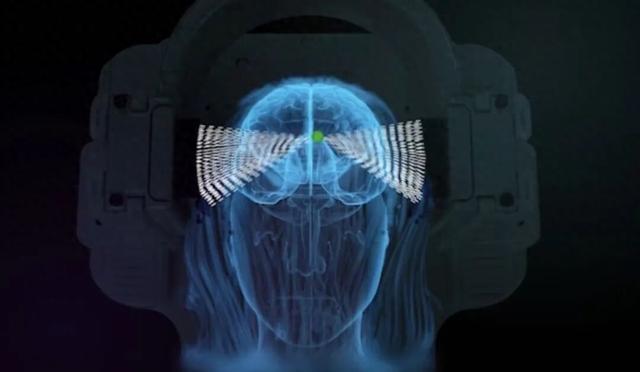
陈天桥再投资,押注中国首家→
新华网财经· 2026-01-01 06:45
Core Insights - The article discusses the establishment of Gestalt (Chengdu) Technology Co., Ltd., a brain-computer interface (BCI) company founded by Chen Tianqiao and Peng Lei, focusing on ultrasound technology for brain signal reading and writing [1][3]. Group 1: Company Overview - Gestalt is the first domestic company in China to specialize in ultrasound brain-computer interface technology, aiming to accelerate the commercialization of BCI [1]. - The company was officially announced on January 1, 2026, marking a new direction in the field of brain-computer interfaces in China [1]. Group 2: Technology and Innovation - The ultrasound BCI technology is expected to provide a non-invasive method for precise modulation of specific brain regions, which could lead to innovative treatments for brain diseases [3]. - The technology allows for high spatiotemporal resolution recording of brain activity, opening new pathways for fundamental research in neuroscience [4]. Group 3: Clinical Applications - Clinical studies have shown that ultrasound modulation can significantly reduce pain intensity in chronic pain management, with effects lasting approximately one week [4]. - The technology is also being explored for its potential in treating various central nervous system disorders, including depression, Alzheimer's disease, and stroke rehabilitation [4].

陈天桥再投资,押注中国首家→
第一财经· 2026-01-01 04:05
Core Viewpoint - The article discusses the establishment of Gestalt (Chengdu) Technology Co., Ltd., a company focused on ultrasound brain-computer interface technology, aiming to advance the understanding and treatment of brain-related diseases through innovative non-invasive methods [3][5]. Group 1: Company Overview - Gestalt is the first domestic company specializing in ultrasound brain-computer interface technology in China, with a goal to explore next-generation brain signal reading, writing, and analysis [3][5]. - The company was co-founded by Peng Lei, former co-founder and CEO of Brain Tiger Technology, and Chen Tianqiao, founder of the Tianqiao Brain Science Research Institute [3]. Group 2: Technology and Innovation - The ultrasound brain-computer interface aims to provide non-invasive methods for precise modulation of specific brain regions, which could lead to innovative treatments for various brain diseases [5]. - The technology is based on the concept of "Gestalt," emphasizing that the whole is greater than the sum of its parts, and it seeks to understand the brain as an integrated system rather than isolated regions [5]. Group 3: Clinical Applications - Clinical studies have shown that ultrasound modulation of the anterior cingulate cortex (ACC) can significantly reduce pain intensity in chronic pain management, with effects lasting approximately one week [5]. - The company plans to develop multiple generations of products, starting with a bench-top device for chronic pain management, with registration processes expected to begin this year [6].

陈天桥再投资!押注中国首家超声波脑机接口公司
Di Yi Cai Jing· 2026-01-01 03:22
Core Insights - The article discusses the establishment of Gestalt (Chengdu) Technology Co., Ltd., a brain-computer interface (BCI) company focused on ultrasound technology, marking a new direction in China's BCI field [1][3] Company Overview - Gestalt is the first domestic company specializing in ultrasound brain-computer interface technology, aiming to explore next-generation full-brain signal reading, writing, and analysis [1][3] - The company was co-founded by Peng Lei, former co-founder and CEO of Brain Tiger Technology, and Chen Tianqiao, founder of Tianqiao Brain Science Research Institute [1][3] Technology and Innovation - The core philosophy of Gestalt is based on the German concept of "Gestalt," emphasizing that the whole is greater than the sum of its parts [1][3] - Ultrasound BCI technology is seen as the most promising direction for achieving full-brain reading and writing capabilities, allowing for non-invasive precision modulation of specific brain areas [3] - The technology aims to provide innovative treatment for various neurological disorders by enabling multi-target modulation of brain circuits [3] Clinical Applications - Clinical interventions using ultrasound BCI have shown effectiveness in managing chronic pain, stroke-related functional impairments, and depression [3] - Research indicates that modulation of the anterior cingulate cortex (ACC) through ultrasound significantly reduces pain intensity, with effects lasting approximately one week [3] Product Development - Gestalt plans to develop its products in multiple generations, starting with a bench-top device followed by a wearable device, focusing on medical applications [4] - The first product, a magnetic resonance-guided bench-top device, will target chronic pain management, with registration processes expected to begin this year [4]