超声波脑机接口技术

Search documents
我国首家超声波脑机接口公司在四川成都成立
Huan Qiu Wang Zi Xun· 2026-01-07 01:18
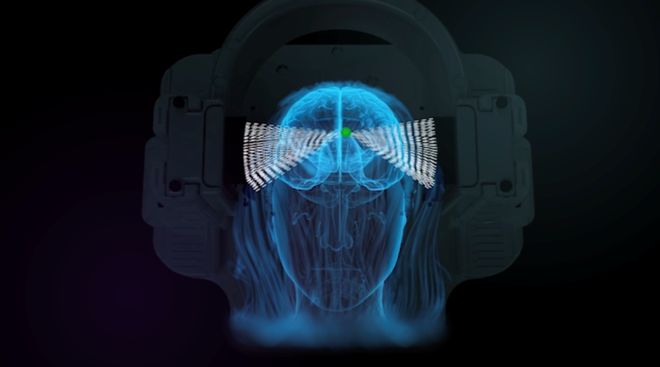
Core Viewpoint - The establishment of Gestalt Technology, the first company in China focused on ultrasound brain-machine interface technology, marks a significant advancement in the field, utilizing ultrasound and phased array technology to create a new technical pathway for brain-machine interfaces [1][3]. Group 1: Technology Overview - The current brain-machine interface technologies are categorized into invasive, semi-invasive, and non-invasive methods, with ultrasound brain-machine interface technology offering clear advantages over traditional invasive electrical methods [1]. - Unlike traditional invasive techniques that require drilling into the skull to implant electrodes, ultrasound brain-machine interfaces can focus ultrasound through the skull to modulate brain functions without the need for surgery [1][3]. - The technology allows for high spatiotemporal resolution monitoring of brain signals, making it a promising direction for achieving full-brain read/write capabilities [3]. Group 2: Clinical Applications - The first product from Gestalt Technology focuses on chronic pain management, currently undergoing clinical trials, with plans to initiate the registration process with the National Medical Products Administration by the end of the year [3]. - Clinical data indicates significant potential for the ultrasound brain-machine interface, showing a notable reduction in pain intensity for chronic pain patients and improvements in mood and depression scores within 24 hours for depression interventions [3]. Group 3: Collaborative Efforts - Gestalt Technology has established collaborative frameworks with several prestigious hospitals, including Fudan University Huashan Hospital, Peking Union Medical College Hospital, and Sichuan University West China Hospital, to enhance "industry-university-research-medical" collaborative innovation [3][4]. - The collaborative model aims to accelerate the clinical translation of ultrasound brain-machine interface technology, facilitating faster service to patients [3]. Group 4: Regional Development - The establishment of Gestalt Technology contributes to the formation of a more complete brain-machine interface ecosystem in Chengdu, leveraging the city's comprehensive "industry-university-research-medical" ecosystem, particularly its clinical resources [4]. - Sichuan Province has initiated a special policy for brain-machine interface development, aiming to create a leading innovation hub in this field by focusing on major innovations, key products, and important applications [3].

陈天桥亲自下场押注脑机接口赛道,中国首家超声波BCI企业格式塔成立
Hua Xia Shi Bao· 2026-01-01 11:58
Core Insights - The establishment of Gestala Technology Co., Ltd. marks a significant opportunity for brain science innovation in China, focusing on non-invasive ultrasound brain-computer interface (BCI) technology, differentiating itself from Elon Musk's Neuralink [2][5][12] Group 1: Company Overview - Gestala was founded by Peng Lei, former co-founder and CEO of Brain Tiger Technology, and Chen Tianqiao, founder of Shanda Group and Tianqiao Brain Science Research Institute, indicating a strong leadership team with extensive experience in brain science [2][5] - The company aims to explore the brain's complexities through ultrasound technology, which can penetrate the skull and decode neural activity without invasive surgery, representing a new path in the BCI field [6][10] Group 2: Technology and Innovation - The ultrasound BCI technology allows for simultaneous monitoring of multiple brain regions, overcoming the limitations of traditional invasive methods that only capture localized signals [6][10] - This technology is expected to provide a more comprehensive understanding of brain functions, as it can cover 25% of the brain's volume and address the challenges of real-time response and whole-brain imaging [10][11] Group 3: Clinical Applications and Partnerships - Initial clinical data shows promising results in chronic pain management and depression intervention, with significant improvements observed after ultrasound treatment [11] - Gestala has established partnerships with major hospitals, including Huashan and Xiehe, and plans to initiate the NMPA registration process for its first product by the end of 2026 [11][12] Group 4: Market Context and Competitive Landscape - The global BCI competition is evolving, with a clear divergence in technological approaches, as non-invasive methods gain traction amid controversies surrounding invasive techniques like those used by Neuralink [5][10] - The substantial investment in brain science research by Chen Tianqiao, exceeding $1 billion, highlights the growing interest and potential in this sector [5][10]