超大型原油运输船(VLCC)运输服务

Search documents
DHT(DHT) - 2025 Q4 - Earnings Call Transcript
2026-02-05 14:00
Financial Data and Key Metrics Changes - In Q4 2025, the company achieved revenues on a TCE basis of $118 million and adjusted EBITDA of $95 million, with net income at $66 million, equating to $0.41 per share [3][4] - For the full year 2025, revenues on a TCE basis totaled $369 million, with adjusted EBITDA of $278 million and net income of $211 million, or $1.31 per share [4][5] - The company reported a total liquidity of $189 million at the end of Q4, consisting of $79 million in cash and $110.5 million available under revolving credit facilities [5] Business Line Data and Key Metrics Changes - The average daily earnings for vessels trading in the spot market were $69,500, while those on time charters earned $49,400, leading to an average combined TCE of $60,300 per day for the quarter [4] - The company generated $95.3 million in EBITDA from operations, with $97.6 million deployed towards vessels during the quarter, including the delivery of DHT Nokota [6] Market Data and Key Metrics Changes - The current sailing VLCC fleet is estimated at 897 ships, with 46% expected to be older than 15 years by the end of the year [15] - The sanctioned VLCC fleet counts 151 vessels, with discussions ongoing about whether these can reenter the compliant market [15][16] Company Strategy and Development Direction - The company plans to divest three older ships built in 2007 to modernize its fleet, replacing them with new vessels from its building program [9][10] - The company is increasing its spot market exposure by reducing fixed income contracts, anticipating that this will allow participation in rewarding spot markets [20][21] Management's Comments on Operating Environment and Future Outlook - Management expressed confidence in the structural transformation of the VLCC market, driven by strong demand, geopolitical volatility, and fleet consolidation [21] - The company is well-positioned to benefit from the current market dynamics, with a solid fleet and a clear mandate to return earnings to shareholders [21] Other Important Information - The board approved a dividend of $0.41 per share for Q4 2025, marking the 64th consecutive quarterly cash dividend [12] - The company expects to book a combined gain of about $60 million from the sale of DHT China and DHT Europe in the first quarter [10] Q&A Session Summary Question: Can you help reconcile the commentary about consolidation and increasing spot exposure? - Management confirmed that all end users are now in the market to secure time charters, with rates above previous terms, indicating a strong time charter market [23][24] Question: What is the outlook on global oil demand growth? - Management noted that while global oil demand growth is stabilizing around 1%, seaborne crude oil transportation demand is expected to grow at approximately 2.5% [27][29] Question: How does the company view the consolidation of the fleet? - Management believes that the consolidation of the fleet will change market dynamics, particularly in pricing behavior and information flow [39] Question: What is the company's stance on newbuild prices and potential investments? - Management indicated that while they are open to considering newbuilds, they are currently cautious due to high prices and are focused on maintaining a strong balance sheet [69][71]

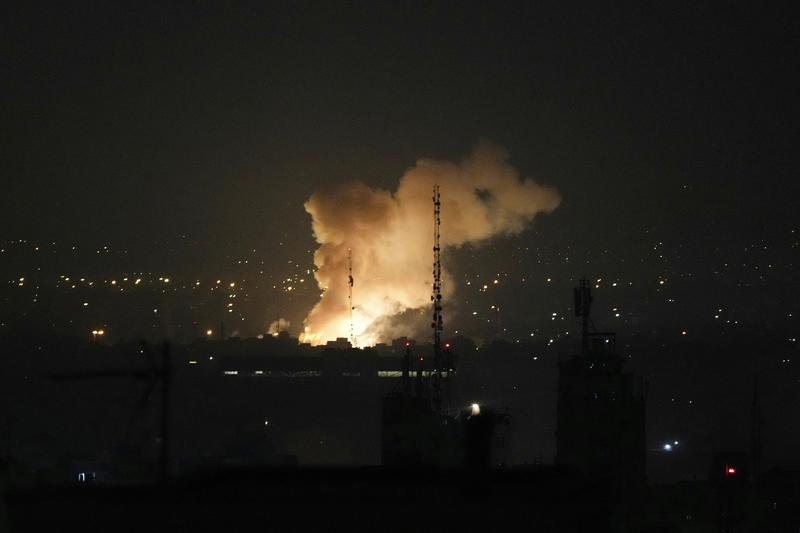
运费录得年内最大单日涨幅,伊以冲突下全球货船绕行霍尔木兹海峡
Di Yi Cai Jing· 2025-06-18 07:32
Core Insights - The ongoing conflict between Israel and Iran has led to significant increases in shipping costs and a shift in shipping routes, with companies advised to prepare for potential escalations in the situation [1][3][7] Shipping Costs and Insurance - Shipping fees for oil tankers from the Middle East to China surged by 24% to $1.67 per barrel on the day the conflict began, marking the largest single-day increase of the year [3] - Insurance rates for vessels are expected to rise due to perceived risks, although they have remained stable since the conflict began [3][7] - Analysts predict that transportation disruptions and port congestion will lead to further increases in shipping container fees, with carriers potentially imposing "safety surcharges" [3][4] Route Changes and Safety Concerns - Many shipping companies are avoiding the Strait of Hormuz and the Red Sea due to heightened tensions, with reports indicating a significant number of vessels opting for alternative routes [4][5] - The Strait of Hormuz is a critical chokepoint for global oil transport, with an average of 20% of the world's oil passing through it, making any disruption potentially impactful on global energy prices [5][6] - The shipping industry has been cautious in the Red Sea even before the current conflict, with a notable decrease in traffic through the Suez Canal [6][7] Industry Recommendations - Various industry organizations are urging shipping companies to develop contingency plans and reassess routes in light of the escalating conflict [7][8] - Companies are advised to evaluate the affiliations of their vessels, particularly those with past connections to Israel, as they may be at higher risk [7] - The U.S.-led Joint Maritime Information Center has recommended that shipping companies review their routes and prepare emergency response plans [7]