
超级大黄蜂舰载机

Search documents
美军在中东集结摆出作战姿态
Xin Lang Cai Jing· 2026-02-22 14:48
Group 1 - The core viewpoint of the article highlights the significant military buildup by the U.S. in the Middle East, indicating a clear intention of pressure and deterrence against adversaries [6][9]. - The deployment of over 60 aircraft, including F-35A stealth fighters, at the Muwaffaq Salti Air Base in Jordan represents a threefold increase compared to normal operational levels [2][6]. - The presence of the USS Ford aircraft carrier in the Mediterranean, alongside the USS Lincoln, creates a strategic encirclement, enhancing the U.S. military's operational capabilities in the region [3][6]. Group 2 - The U.S. military's current force deployment in the Middle East exceeds that of the previous "Midnight Hammer" operation, suggesting readiness for a larger scale conflict [9]. - Analysts suggest that the military buildup may be preparing for a prolonged conflict, which could negatively impact ongoing negotiations with Iran regarding nuclear agreements [9][11]. - The potential for military action, as indicated by President Trump's consideration of limited strikes against Iran, raises concerns about the stability of the region and the sincerity of U.S. diplomatic efforts [11].

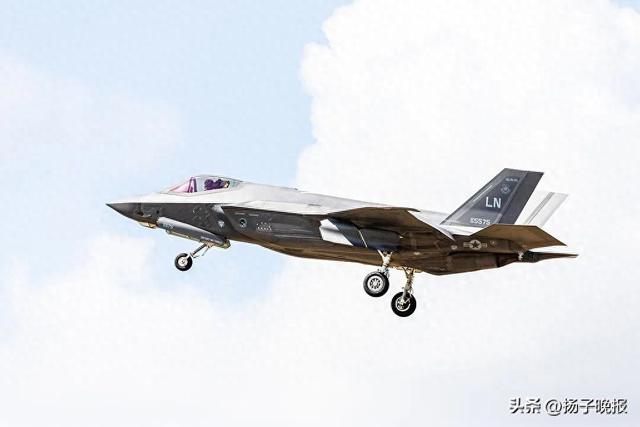
中东,突发!美国部署大量战机
Xin Lang Cai Jing· 2026-02-22 14:11
Group 1: Military Deployment and Strategy - The U.S. has significantly increased its military presence at the Muwaffaq Salti Air Base in Jordan, deploying over 60 aircraft, which is approximately three times the usual number [2][10] - The deployment includes advanced aircraft such as F-35 stealth fighters and new air defense systems, indicating a potential preparation for military action against Iran [10][12] - The U.S. military is reportedly in a state of readiness, with troop movements suggesting a possible large-scale operation that could exceed previous military actions in the region [13] Group 2: Diplomatic Tensions and Responses - U.S. President Trump is considering a "limited military strike" against Iran to compel compliance with U.S. demands regarding the nuclear agreement [1][9] - Iran's President Raisi has stated that the Iranian people will not yield to external pressures, emphasizing national resilience [7][15] - Several countries, including Germany, Sweden, and Slovakia, have advised their citizens to avoid travel to Iran and to leave the country due to escalating tensions [6][14] Group 3: Regional Security Implications - The situation in the Middle East is described as highly unstable, with the potential for military conflict increasing [6][14] - The presence of U.S. naval forces, including the USS Ford aircraft carrier, in the Mediterranean is seen as a strategic move to apply pressure on Iran [12][13] - Analysts suggest that the current military buildup may be indicative of preparations for a prolonged conflict in the region [13]
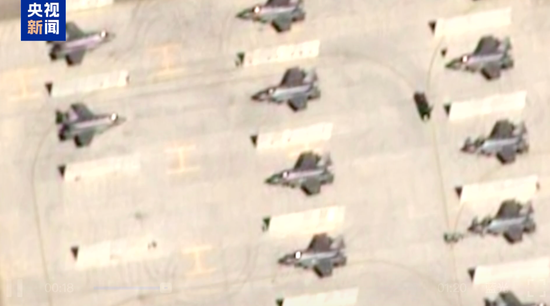
美军在中东集结摆出作战姿态 伊朗总统表示不会屈服于霸凌和胁迫
Mei Ri Jing Ji Xin Wen· 2026-02-22 11:48
Group 1 - The core viewpoint is that the U.S. military has conducted its largest troop buildup in the Middle East recently, with significant deployments including the USS Ford aircraft carrier and stealth fighters in Jordan, indicating a clear posture of pressure and deterrence [1][2]. - The USS Ford aircraft carrier has entered the Mediterranean, creating a pincer movement with the previously deployed USS Lincoln, while additional stealth fighters and other aircraft have been sent to Jordan [2]. - The current military buildup in the region suggests that the U.S. is in a state of readiness for potential conflict, with the scale of forces potentially exceeding last year's "Midnight Hammer" operation, which could lead to significant regional instability [2]. Group 2 - The deployment of U.S. military forces, including F-35A and F-15 fighters, is aimed at enhancing offensive capabilities, with stealth aircraft designed for surprise attacks and non-stealth aircraft capable of sustained bombing missions [2]. - The ongoing indirect negotiations between the U.S. and Iran are negatively impacted by the large-scale military presence, raising questions about the U.S.'s sincerity in negotiations and potentially escalating the crisis in the Middle East [4]. - The situation indicates preparations for a more prolonged conflict, as noted by experts, suggesting a shift in strategy towards a more aggressive military posture in the region [3].