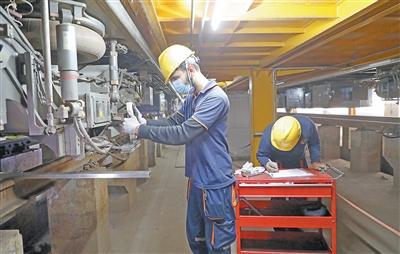
轨道交通橙线项目

Search documents
为古城拉合尔可持续发展添动力(共建“一带一路”·第一现场)
Ren Min Ri Bao· 2026-01-15 23:51
Core Insights - The Orange Line project in Lahore, Pakistan, has significantly improved public transportation since its opening in October 2020, transporting over 280 million passengers and enhancing local commerce [4][5] - The project is a key example of China-Pakistan cooperation under the Belt and Road Initiative, showcasing successful infrastructure development [5][10] Group 1: Project Overview - The Orange Line spans approximately 27 kilometers with 26 stations, connecting busy areas of Lahore [4] - It is the first and only metro line in Pakistan, having operated over 70 million train kilometers safely since its launch [5] - The project has reduced travel time from 2.5 hours by car to just 45 minutes, alleviating traffic congestion in Lahore [5] Group 2: Economic Impact - Daily ridership has increased from under 70,000 to nearly 240,000, fundamentally changing commuting patterns for residents [5][8] - The project has created around 2,000 stable jobs directly and tens of thousands of indirect jobs through commercial and real estate development along the line [8] - The use of electric trains has led to a significant reduction in vehicle emissions, improving local air quality by approximately 30,000 tons annually [5] Group 3: Social and Educational Benefits - The project has fostered a modernized urban environment, contributing to the sustainable development of Lahore [6] - It has established a "Metro University" by providing training and employment opportunities for local graduates, particularly in engineering and transportation [9][10] - The project has a workforce of over 1,300 employees, with 98% being Pakistani nationals, highlighting the local talent development aspect [10] Group 4: Future Prospects - The successful implementation of the Orange Line has set a precedent for future urban rail projects in Pakistan, with plans for further collaboration between Chinese and Pakistani enterprises [10] - The establishment of a comprehensive training system for local employees indicates a commitment to building a skilled workforce for future infrastructure projects [10]