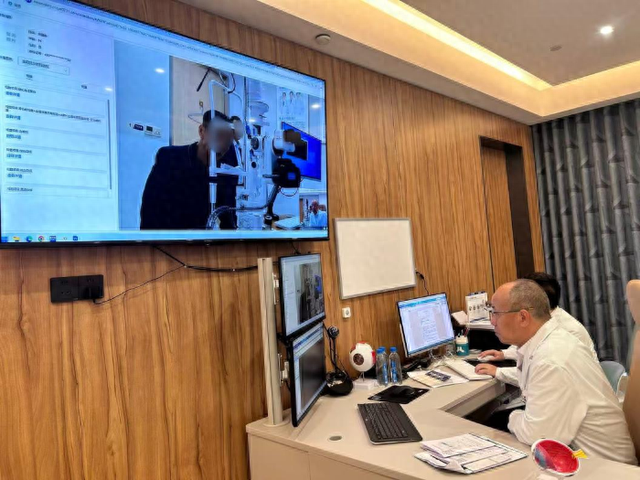
远程会诊服务

Search documents
优质医疗资源普惠民生
Xin Lang Cai Jing· 2026-01-20 18:52
Core Viewpoint - The article highlights the ongoing efforts in the Xinjiang Production and Construction Corps to enhance healthcare services through the establishment of tightly-knit medical communities, focusing on improving accessibility and quality of care for local residents [4][5][8]. Group 1: Healthcare System Development - The Xinjiang Production and Construction Corps has implemented the "14th Five-Year Plan" to promote the construction of tightly-knit medical communities, shifting the healthcare model from "disease-centered" to "people's health-centered" [4]. - Various regions are advancing the construction of tightly-knit medical communities by breaking down service barriers, enhancing information technology support, and promoting the integration of quality medical resources into grassroots healthcare [4][5]. - A more efficient and accessible health security network is gradually forming, enhancing the sense of satisfaction and safety among the workforce [4]. Group 2: Resource Integration and Service Enhancement - The Sixteenth Division of the Corps has established two tightly-knit medical communities, integrating quality resources from leading hospitals with grassroots clinics to create a new medical service model [5]. - The healthcare network in the Sixteenth Division now includes 2 leading hospitals, 14 community clinics, and 43 standardized health stations, forming a comprehensive medical service system [5][7]. - The Sixteenth Division has set up 29 expert workstations in grassroots medical institutions, benefiting over 116,400 patients through remote diagnosis and treatment services [7]. Group 3: Specialized Medical Services - The Five Division's Tumor Radiotherapy Center has treated over 200 cancer patients, becoming a key facility for cancer treatment in the region [8]. - The Five Division has established several key specialties, including gynecology, orthopedics, and cardiology, enhancing the regional medical service capacity [8][9]. - The Five Division has secured approximately 117 million yuan in aid funds, introducing 42 experts and establishing 11 expert workstations to fill technical gaps in the region [9]. Group 4: Remote Diagnosis and Technology Integration - The Seven Division has developed a remote consultation system that connects specialists with grassroots doctors, improving diagnostic efficiency and reducing patient costs [10][11]. - By the end of 2025, the remote diagnostic services in the Seven Division are expected to reach 6,966 cases, significantly enhancing the healthcare network's efficiency [12]. - The remote consultation platform has been instrumental in addressing complex medical cases, allowing for timely responses and standardized treatment protocols [11][12].

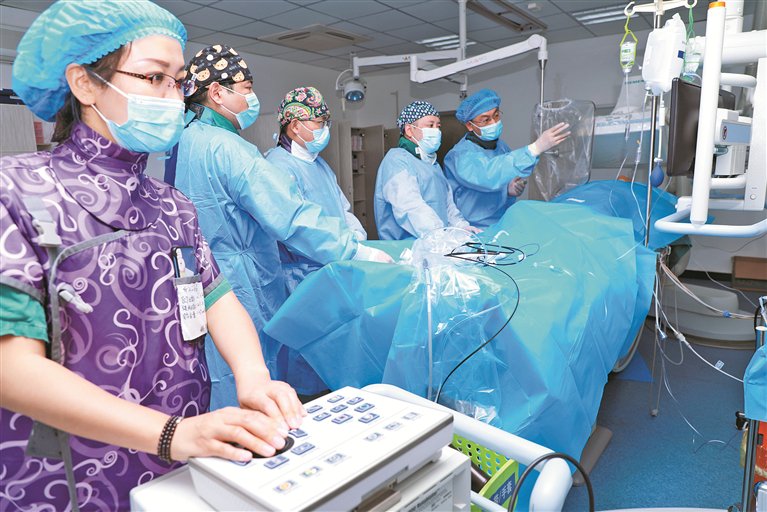
清远连州:三维提升实现“大病不出县”,优质医疗可感可及
Nan Fang Nong Cun Bao· 2026-01-05 09:33
Core Viewpoint - The article highlights the significant advancements in healthcare services in Lianzhou, Qingyuan, emphasizing the successful implementation of a healthcare reform model that enables residents to access high-quality medical services locally, thereby achieving the goal of "serious illnesses not leaving the county" [2][10][91]. Group 1: Healthcare Reform and Achievements - Since becoming a pilot for the national integrated county medical community in 2019, Lianzhou has effectively integrated resources and improved service delivery, resulting in a notable enhancement of healthcare capabilities [2][3]. - The county's hospitalization rate has consistently exceeded 90% for ten years, reaching 92.0% in the first half of 2025, ranking third in the province [8][10]. - Lianzhou's DRG capability index ranks 9th among 57 counties in Guangdong, with a CMI value at the top, indicating a strong improvement in medical service quality [25][26]. Group 2: Infrastructure and Resource Sharing - The "334" model focuses on enhancing medical service capabilities across county, township, and village levels, facilitating the sharing of medical resources such as large equipment and diagnostic data [5][6][60]. - By November 2025, the shared medical equipment service model has provided cross-hospital diagnostic services to 9,025 patients, significantly improving resource utilization [58][59]. - The establishment of a remote consultation system allows patients in rural areas to receive expert guidance from the main hospital, enhancing access to specialized care [61][72]. Group 3: Preventive Healthcare Initiatives - Lianzhou has implemented a comprehensive chronic disease management program, achieving over 40,000 screenings in 2024 and identifying 1,716 cases of chronic obstructive pulmonary disease [78][86]. - The integration of preventive and treatment services has led to the establishment of a chronic disease management center, benefiting over 811,500 patients through free medication programs [82][86]. - The innovative peritoneal dialysis service model allows for better management of end-stage renal disease patients, with local health centers taking on follow-up responsibilities [87][90]. Group 4: Patient Experience and Accessibility - Patients now experience improved access to diagnostic services, as they can receive CT scans and other tests at local health centers instead of traveling long distances [44][46]. - The implementation of a shared service model has reduced patient costs, with outpatient expenses decreasing by 11.07% and medication costs by 10.02% compared to previous years [65][66]. - The use of internet technology for remote consultations has provided timely and accurate medical services to 1,164 patients, enhancing overall patient satisfaction [70][72].

爱尔眼科:以数字化质控筑牢医疗安全防线,让高质量眼科服务触手可及
Zhong Guo Xin Wen Wang· 2025-12-15 09:42
Core Insights - The article emphasizes the importance of medical quality as the lifeline of hospitals and highlights the systematic measures taken by Aier Eye Hospital to enhance management and patient safety through digital quality control and remote consultations [1][6][10] Group 1: Digital Quality Control and Remote Consultations - Aier Eye Hospital has implemented a digital quality control system that enhances patient experience and treatment outcomes, exemplified by successful remote consultations for complex cases [1][3] - The hospital utilized a remote consultation platform to connect local medical teams with renowned experts, facilitating timely and effective treatment recommendations for patients with complicated conditions [3][4] - The success of these remote consultations demonstrates the effectiveness of Aier's digital quality control system, which allows patients in remote areas to access high-quality eye care [6][10] Group 2: Medical Quality Management and Performance Metrics - Aier Eye Hospital has made significant investments in medical quality management, resulting in steady growth in outpatient visits, surgeries, and discharges, while maintaining low postoperative infection rates [6][9] - The hospital's infection rate for high-level surgeries, such as corneal transplants, is reported at 0.0156%, significantly lower than the international average of 0.5% [6][9] - The implementation of the "Monitoring Indicators" by the National Health Commission aims to strengthen core medical quality and safety systems across healthcare institutions [7][8] Group 3: AI and Digital Transformation - Aier Eye Hospital has launched an AI-based outpatient medical record quality control system, achieving 100% automation in initial diagnosis quality checks [8][9] - The hospital is expanding its AI evaluation metrics to include clinical logic and treatment rationality, enhancing the depth of quality control [9][12] - Aier is committed to building a comprehensive digital health ecosystem, integrating advanced technologies like AI and big data to improve the efficiency and accessibility of eye care services [10][12]