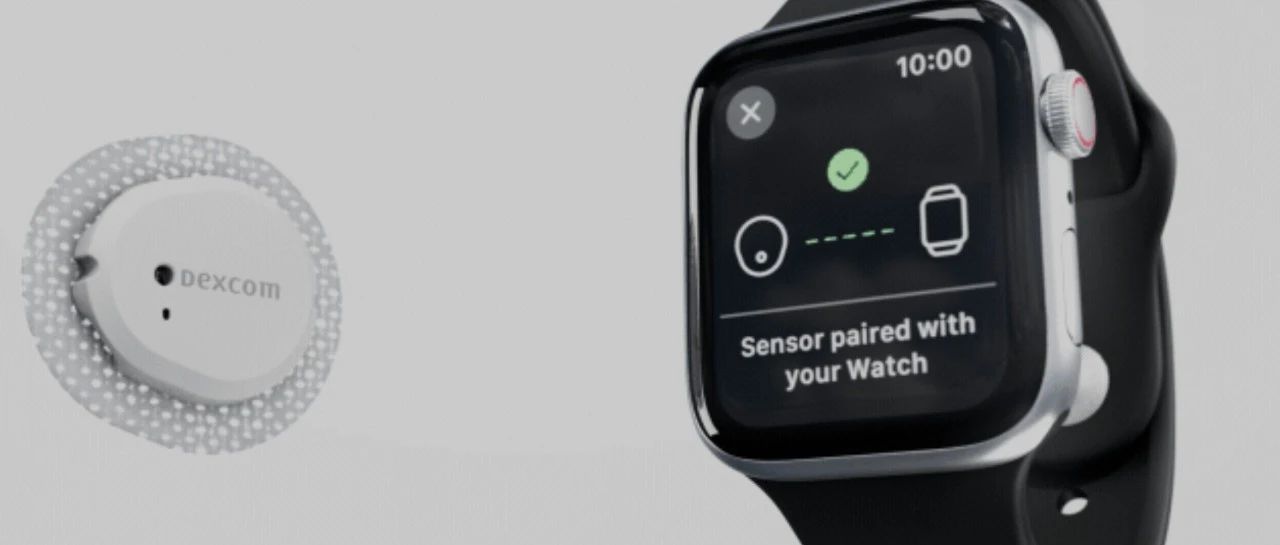
连续血糖监测(CGM)设备

Search documents
13%营收增长!这家医疗器械公司四季度业绩超预期
思宇MedTech· 2026-02-16 02:53
Core Viewpoint - Dexcom, a leader in continuous glucose monitoring (CGM), reported Q4 2025 revenue of $1.26 billion, a 13% year-over-year increase, and a net profit of $267 million, up over 70%, indicating a shift in growth structure driven by product cycle upgrades, treatment ecosystem integration, and algorithm capabilities [1][4][16]. Group 1: Financial Performance - The company has entered a profit release phase, with profit growth significantly outpacing revenue growth, as evidenced by a gross margin increase to 63% and improved operating profit margins [4][5]. - The revenue for Q4 2025 was $1.26 billion, with a gross profit of $792.7 million, reflecting a strong financial performance [6]. Group 2: Growth Drivers - The first growth driver is the upgrade in wear cycle, particularly with the launch of the G7 15-day version, which enhances user convenience and increases annual value per user [7]. - The second driver involves the integration with insulin pump companies, transforming CGM from a data collection tool to a core data source for automated insulin delivery systems, increasing user retention [8]. - The third driver is the regulatory approval for algorithm-based insulin dose optimization, marking a shift from data collection to decision support, enhancing the commercial value of CGM [9][10]. Group 3: Industry Context - The global CGM market is experiencing high growth, but competition is solidifying, with leading companies establishing strong barriers through technological advancements and ecosystem integration [12]. - The competition is shifting from accuracy to comprehensive capabilities, with smaller companies facing pressure if they lack differentiation [13]. Group 4: Implications for Domestic Companies - Domestic CGM companies should focus on building data platforms and system integration capabilities rather than solely hardware manufacturing to achieve long-term breakthroughs [15].

换帅!糖尿病巨头高层变动
思宇MedTech· 2025-07-31 09:39
Core Viewpoint - The transition of leadership at Dexcom from Kevin Sayer to Jake Leach is a strategic move aimed at evolving the company's focus from a single product technology to a broader health ecosystem platform, reflecting a planned organizational evolution rather than a crisis response [10][11][12] Leadership Transition - Jake Leach will take over as CEO on January 1, 2026, succeeding Kevin Sayer, who will remain as Executive Chairman of the Board [1] - This succession plan was disclosed during the Q2 2025 earnings call, indicating a well-structured transition [1] Jake Leach's Background - Leach has been with Dexcom since 2004, playing a crucial role in the development of the company's CGM technology, including the G4, G5, G6, and G7 iterations [5][6] - As COO, he managed global product development and operational strategies, demonstrating his capability to translate technical expertise into business execution [6][11] Kevin Sayer's Contributions - Sayer has led Dexcom since 2015, transforming it from a diabetes device company to a health data technology platform, achieving significant revenue and market value growth [7][9] - Under his leadership, Dexcom's revenue reached $1.157 billion in Q2 2025, a 15% year-over-year increase, with annual revenue guidance raised to between $4.6 billion and $4.63 billion [9] Strategic Implications of the Transition - The leadership change signals a shift in Dexcom's core competencies towards a platform strategy that integrates CGM technology into broader health management solutions [10][11] - Leach's role will involve transitioning the company from selling devices to empowering health scenarios, requiring a comprehensive understanding of both development and strategic thinking [11] Future Directions - Dexcom aims to enhance the G7 platform's market penetration, expand non-prescription CGM options like Stelo, and integrate AI for data prediction and lifestyle intervention [13] - The company plans to strengthen insurance coverage and international reimbursement channels to lower barriers for users and expand its market reach [13]