
逆变电源(INV)

Search documents
组件价格跟着金属期货价格走 义乌中小光伏企业: 不敢报价接单
Mei Ri Jing Ji Xin Wen· 2026-02-02 03:15
Core Viewpoint - The adjustment of the new energy export tax rebate policy has led to a significant decrease in inquiries from overseas customers, particularly price-sensitive clients from the Middle East, causing challenges for small and medium-sized photovoltaic companies in pricing and order acquisition [1][4]. Group 1: Impact of Policy Changes - The adjustment of the export tax rebate policy has resulted in reduced inquiries from overseas clients, particularly those sensitive to price increases [1]. - The price of photovoltaic components has surged due to rising metal prices, with component prices increasing from approximately 0.6 yuan/watt to 0.9 yuan/watt within a month, marking a nearly 50% increase [4]. - The dual impact of policy changes and market conditions is forcing small and medium-sized photovoltaic companies to reassess their survival strategies [4][10]. Group 2: Cost Structure Changes - The cost structure of photovoltaic components has shifted, with silver prices rising over 200% since 2025, leading to silver paste costs becoming the largest cost component, increasing from 17% to 30% of total costs [7][8]. - The average price of silver reached 30,900 yuan/kg by January 29, 2026, reflecting a significant increase from approximately 7,600 yuan/kg at the beginning of 2025 [8]. - Copper and aluminum prices have also risen, with copper prices increasing by 22.1% and aluminum prices rising by 10% in January 2026 compared to the previous year [8][9]. Group 3: Market Dynamics and Strategies - The current market dynamics have led to a breakdown in pricing mechanisms, resulting in transaction failures and credit losses among companies [4][10]. - Companies are shifting their inventory strategies, opting to clear stock rather than stockpiling, due to fears of price declines that could lead to significant losses [10]. - Some companies are exploring new materials to reduce costs, such as using fiberglass instead of aluminum for component frames, although acceptance in the market remains low [11]. Group 4: Profitability and Business Diversification - With the main business of photovoltaic components nearing zero profit margins, companies are increasingly relying on inverter and energy storage businesses as key profit drivers [11]. - The profitability of energy storage batteries is relatively high, and companies are leveraging foreign trade operations to mitigate the impact of domestic export tax policy changes [11]. - Long-term sustainability for small and medium-sized photovoltaic companies will require developing their own brands and core technologies rather than relying solely on profit from processing and trading [11].

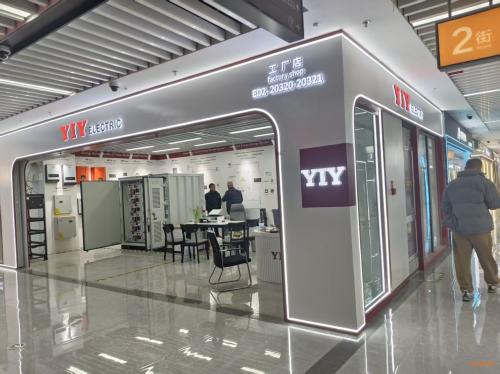
组件价格跟着金属期货走 义乌中小光伏企业:不敢报价接单
Mei Ri Jing Ji Xin Wen· 2026-02-01 12:52
Core Viewpoint - The adjustment of the export tax rebate policy for new energy products has led to a significant decrease in inquiries from overseas customers, particularly those from the Middle East, who are price-sensitive and reluctant to purchase amid rising prices [1][2]. Group 1: Impact of Policy Changes - The adjustment in export tax rebates has created a challenging environment for small and medium-sized photovoltaic (PV) companies, forcing them to reassess their survival strategies due to the dual impact of policy changes and rising metal prices [1][2]. - The price of PV components has surged, with some companies reporting increases from approximately 0.6 yuan/watt to 0.9 yuan/watt, a rise of about 50% within a month, driven by insufficient domestic supply and stockpiling by distributors [2][5]. Group 2: Cost Structure Changes - The cost structure of PV components has shifted dramatically, with silver prices soaring over 200% since 2025, causing silver paste costs to rise from 17% to 30% of total costs, now becoming the largest cost component in PV modules [4][5]. - The average price of silver in January 2026 reached a peak of 30,900 yuan/kg, while copper and aluminum prices also saw significant increases of 22.1% and 10% respectively [4][5]. Group 3: Market Dynamics and Strategies - The current market dynamics have led to a breakdown in pricing mechanisms, resulting in increased instances of contract breaches in the PV industry, particularly as companies struggle to keep up with rapidly changing prices [2][3]. - In response to the pressures of rising costs and policy changes, companies are adopting new inventory strategies, moving away from traditional stockpiling practices to avoid potential losses from price corrections [6][7]. Group 4: Alternative Revenue Streams - With the main business of PV modules nearing zero profit margins, companies are increasingly turning to inverters and energy storage systems as important profit centers, with some reporting significant sales in these areas [6][7]. - Companies are exploring new materials to reduce costs, such as using fiberglass instead of aluminum for module frames, although there are concerns about meeting quality standards [7].