酷比手机

Search documents
在鸟巢开过发布会的陈凯峰,决定不再做手机品牌|我们的四分之一世纪
Xin Lang Cai Jing· 2025-12-25 12:41
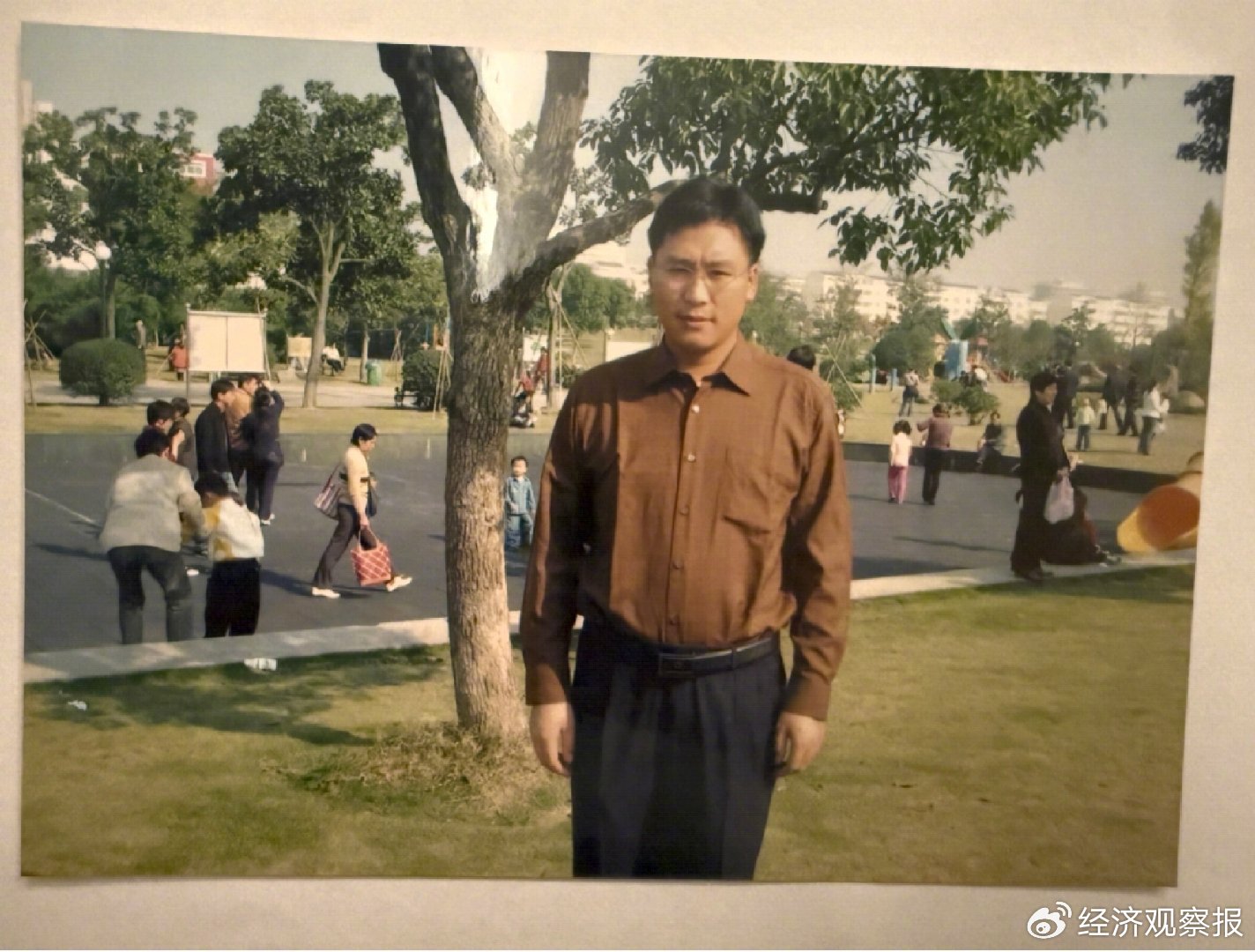
Core Insights - The article chronicles the journey of Chen Kaifeng, the chairman of KUSAI Intelligent, from a young salesman in 1997 to a leader in the smartphone industry, selling over 6 million phones globally by 2025, highlighting the evolution of China's mobile communication industry [1][42][43] Industry Evolution - In the early 2000s, domestic mobile phone manufacturers primarily acted as intermediaries, lacking core technology, which was held by overseas brands [5][45] - By 2004, the long lead time for orders from overseas revealed the weaknesses of this model, as market dynamics could change drastically within the 12-week production cycle [6][46] - The introduction of MediaTek's "Turnkey Solution" in 2005 significantly lowered the technical and financial barriers for manufacturers, allowing them to produce market-ready phones without extensive R&D [7][46] Product Innovation - In 2006, Chen's team capitalized on a MediaTek chip that lacked a camera by focusing on audio capabilities, creating a product tailored for laborers in noisy environments, which became known as a "shanzhai" phone [10][52] - The design included features like powerful speakers and long battery life, catering to the needs of low-income workers, thus democratizing mobile phone access [12][52] Brand Development - In 2009, Chen launched the "Koobee" brand, influenced by the "smile curve" theory, which posits that value is highest at the ends of the production chain [15][54] - Initially successful, the brand faced challenges as the market shifted towards major players like Xiaomi and OPPO, leading to a significant contraction for smaller brands [20][59] Strategic Shift - By 2017, recognizing the entrenched market dynamics, Chen pivoted KUSAI's focus from domestic branding to international markets, seeking opportunities in niches overlooked by larger competitors [23][61] - The company began to serve as an "invisible factory" for U.S. carriers, adapting products to meet specific local needs, which allowed KUSAI to thrive in a competitive landscape [71][72] Technological Capability - KUSAI established three R&D centers in China, employing nearly a thousand engineers to support diverse customization needs, which became a competitive advantage [73][76] - The company is now exploring applications beyond smartphones, such as smart screens for fitness equipment and automotive technology, indicating a broader strategic vision [77][78]

酷赛智能港股IPO:主打“低端机出海”叙事未获外部融资 称监管程序可能“扰乱公司运营”
Xin Lang Zheng Quan· 2025-06-27 09:47
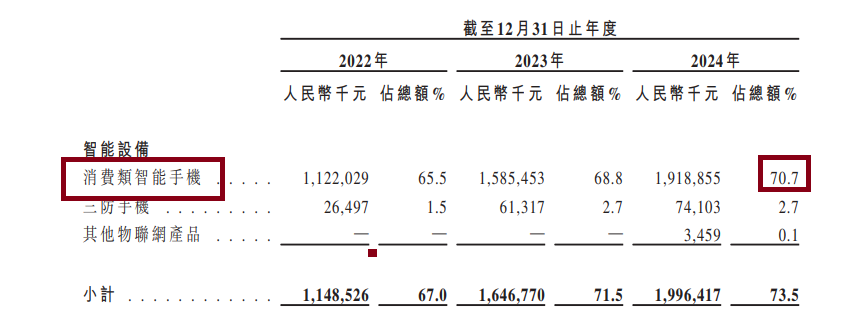
Core Viewpoint - Coosea Intelligent Technology Co., Ltd. (referred to as "Coosea Intelligent") is facing significant challenges in its upcoming IPO due to its reliance on low-end smartphones and intense market competition, particularly in overseas markets where it lacks a competitive edge against established players like Transsion and Xiaomi [1][10]. Group 1: Company Overview - Coosea Intelligent was established in 2006 and focuses on the research, design, manufacturing, and sales of smartphones and motherboards, offering comprehensive solutions including product definition, R&D, supply chain management, manufacturing, and after-sales service [2]. - The company has submitted its IPO application to the Hong Kong Stock Exchange, with CITIC Securities as the sponsor [1][2]. Group 2: Financial Performance - Coosea Intelligent's revenue for 2022, 2023, and 2024 is projected to be 1.713 billion RMB, 2.302 billion RMB, and 2.717 billion RMB, respectively, with growth rates of 34.34% and 18.04% for 2023 and 2024 [2][3]. - The net profit for the same years is expected to be 110 million RMB, 203 million RMB, and 207 million RMB, with growth rates of 84.62% and 1.68% for 2023 and 2024, indicating a significant slowdown in profit growth [2][3]. Group 3: Product and Market Strategy - In 2024, the revenue from consumer smartphones is expected to account for 70.7% of total revenue, with an average selling price of around 500 RMB, categorizing it as a low-end device [1][4][7]. - Coosea Intelligent's overseas revenue is projected to be 65% of total revenue in 2024, highlighting its strategy to focus on international markets [1][8]. Group 4: Competitive Landscape - The company faces fierce competition in the low-end smartphone market, particularly from Transsion, which dominates the African market, and Xiaomi, which leads in India [10]. - Coosea Intelligent's market presence is weak compared to competitors, lacking a strong foothold in any specific region, which raises concerns about its ability to compete effectively [10]. Group 5: Governance and Regulatory Issues - As of the IPO application date, the controlling shareholder is Chen Kaifeng, who holds 63% of the company's shares, with two other executives controlling an additional 27% [12]. - The company has faced regulatory scrutiny, including a fine related to its subsidiary, which it claims could disrupt operations, although the validity of this claim is debatable [15].