金属3D打印拓扑优化

Search documents
未来航母对新材料的需求
材料汇· 2025-09-27 15:57
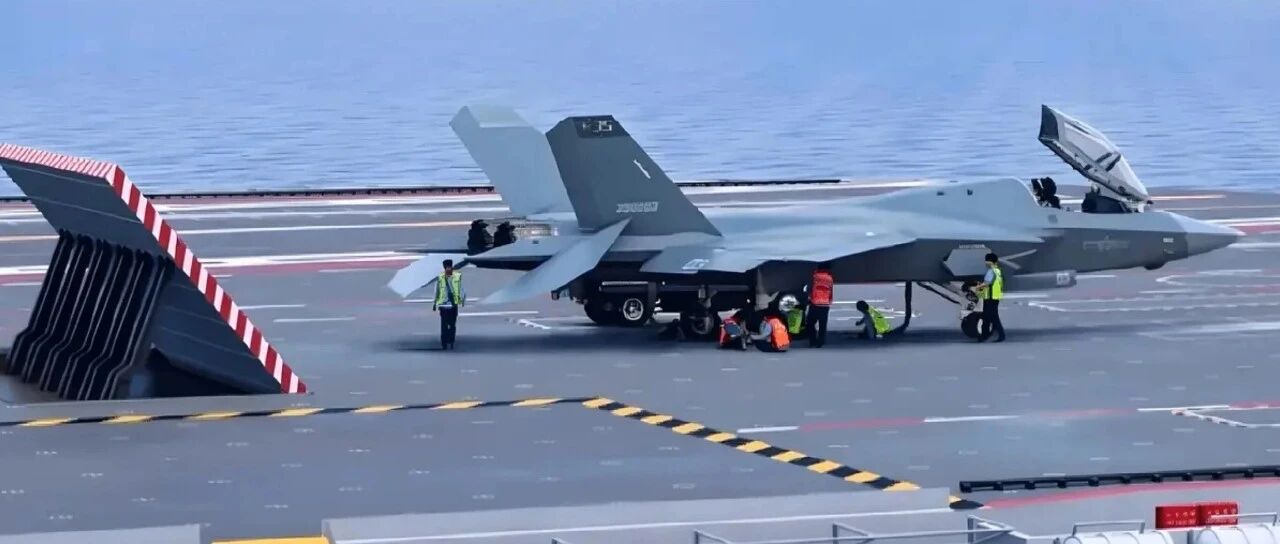
Core Viewpoint - The article discusses the advancements in aircraft carrier technology, particularly focusing on the materials and technologies that enhance the performance, durability, and operational capabilities of modern naval vessels, marking significant milestones in China's naval development. Group 1: Aircraft Carrier Development - The successful launch and recovery training of J-15T, J-35, and KJ-600 carrier-based aircraft on the Fujian aircraft carrier indicates its capability for electromagnetic catapult and recovery, laying a solid foundation for integrating various carrier-based aircraft into the fleet [1]. Group 2: Material Requirements - Future aircraft carriers will demand materials with multi-dimensional and high-standard performance, focusing on lightweight and high-strength characteristics [3]. - Carbon fiber composites will be crucial for the carrier's deck and hull structure due to their strength-to-weight ratio and resistance to corrosion and high temperatures [4]. Group 3: Environmental Resistance - Materials must withstand extreme environments, including high temperatures and corrosion from marine conditions, necessitating the use of titanium alloys and ceramic matrix composites [6][8]. - Self-repairing anti-corrosion coatings that release repair substances when damaged will enhance longevity and reduce maintenance needs [9]. Group 4: Manufacturing and Repair Capabilities - 3D printing technology enables rapid repair of non-standard parts like gears and couplings, with the Chinese Navy already implementing on-board printing for gear repairs [11]. - Advanced cold spray technology allows for low-temperature, in-situ repairs with minimal impact on base materials [13]. Group 5: Electromagnetic Compatibility and Stealth - Electromagnetic shielding materials, such as conductive carbon fiber composites, will help reduce electromagnetic signal leakage [16]. - Stealth coatings combined with radar-absorbing materials will lower the radar cross-section of the aircraft carrier [17]. Group 6: Supply Chain Security and Localization - The self-sufficiency in strategic materials, such as rare earth elements, is critical for military production, with China leveraging supply chain strategies to influence Western ammunition supplies [21]. - New regulations by 2025 will require military materials to be developed based on domestic chips and operating systems to ensure supply chain security [22]. Group 7: Intelligent and Multifunctional Integration - Smart materials, like shape memory alloys, will enhance the self-repair capabilities of the carrier's structure [25]. - Multifunctional composite materials that combine structural support with energy storage capabilities will simplify the carrier's systems [26]. Group 8: Advanced Power System Materials - High-performance turbine blade materials, such as directionally solidified or single-crystal high-temperature alloys, will improve the thermal efficiency of gas turbines or future nuclear power systems [33]. Group 9: Acoustic Stealth and Noise Reduction - Acoustic metamaterials designed for specific detection frequencies will provide efficient sound absorption [36]. - Composite materials with multi-layer heterogeneous structures will balance sound insulation performance with lightweight requirements [37]. Group 10: Sustainable Materials - Bio-based composites using natural fibers will partially replace glass or carbon fibers, reducing environmental impact [39]. - Photocatalytic self-cleaning coatings will minimize maintenance needs by breaking down surface contaminants under light exposure [40].