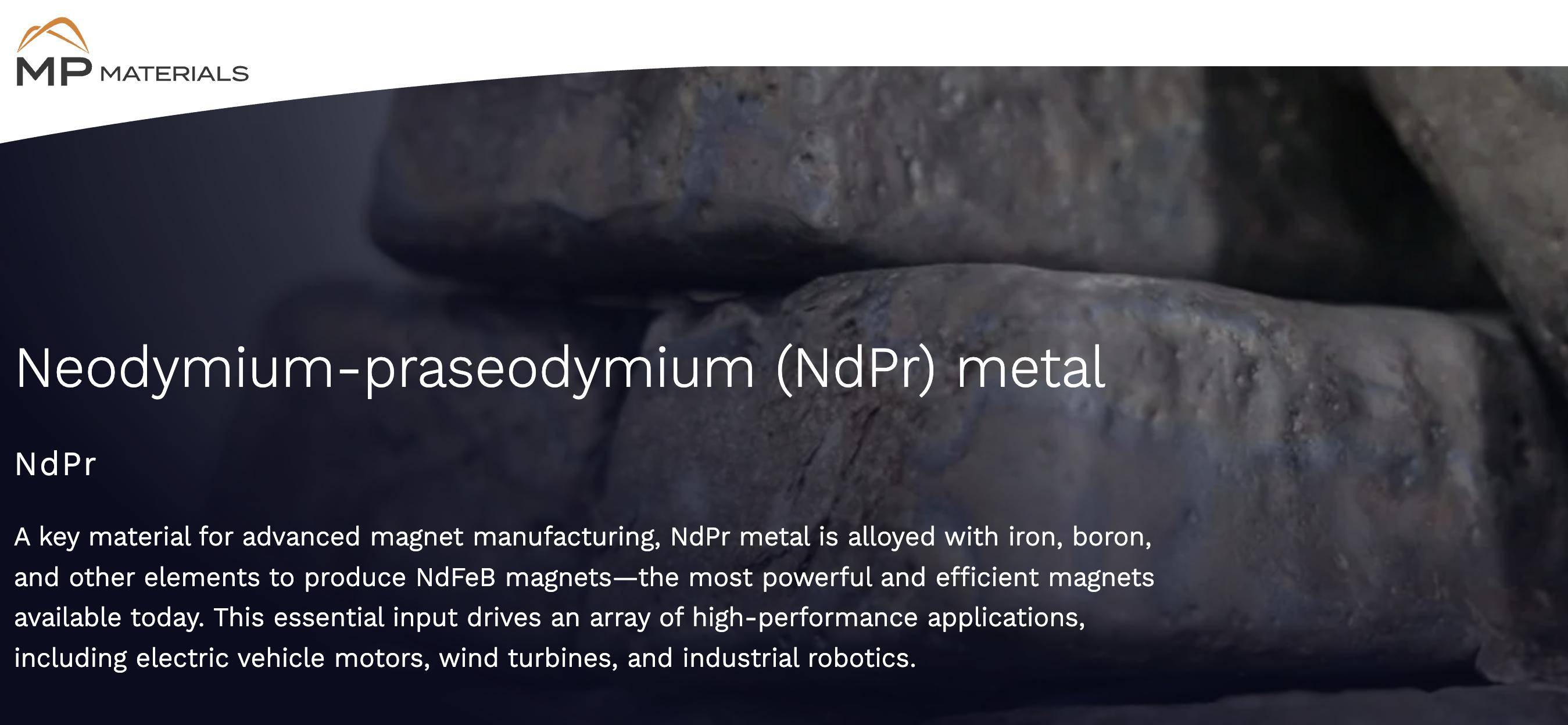
钕镨氧化物(NdPr)

Search documents
别逗了!美国人建不起稀土产业链?真正可怕的是我们开始否定敌人
Sou Hu Cai Jing· 2025-10-21 07:50
Core Viewpoint - The discussion around why the U.S. cannot build a rare earth industry chain is misleading, as it oversimplifies the complexities involved. The ability to build an industry chain depends on conditions and willingness rather than an absolute capability [1]. Resource Availability - The U.S. has rare earth resources, but the quantity is relatively low, with proven reserves estimated at 1.5 million tons, compared to China's thousands of millions of tons. However, higher reserves do not necessarily equate to higher production due to factors like development capability, costs, policies, and market conditions [3][6]. - The only stable large-scale rare earth mine in the U.S. is the Mountain Pass mine in California, which has a complex history involving foreign investment and U.S. government policies that have shaped its operational landscape [3]. Processing Challenges - The processing of rare earths, which involves converting ore into usable compounds, is a critical issue. While the U.S. has strong research capabilities, scaling up technology for stable long-term operations is challenging due to the high capital investment and environmental regulations involved [4][8]. - The U.S. has historically lacked commercial separation facilities, leading to the need to process mined ore overseas, while China has developed a complete separation and refining chain through years of policy support and regulatory leniency [4]. Regulatory and Cost Issues - U.S. environmental standards and compliance costs are high, which raises the barriers for establishing processing facilities. In contrast, other countries with lower compliance costs have been able to take on some production [8]. Recent Developments - The U.S. has begun to treat rare earths as a national security issue, implementing policies and financial measures to strengthen its supply chain. For instance, MP Materials has resumed some separation capabilities with support from the Department of Defense [10]. - This shift indicates a willingness to invest in long-term industrial capabilities, contrasting with previous market-driven approaches. The potential outcomes include a dual-track global rare earth market and a competitive landscape that involves not just resources and technology but also national industrial systems and regulations [10][12]. Strategic Recommendations - The industry should consider transitioning from merely selling raw materials to exporting capabilities, focusing on downstream products like magnets and electric motors [12][14]. - Strengthening technology and standards output is essential, including developing environmentally friendly separation processes and establishing quality certifications [12][16]. - Deepening cooperation with resource-rich countries through joint ventures and long-term agreements can help retain value within the domestic industry [12][17]. - Establishing strategic reserves and dynamic subsidy mechanisms can enhance industrial security, moving away from reliance on short-term market fluctuations [12].