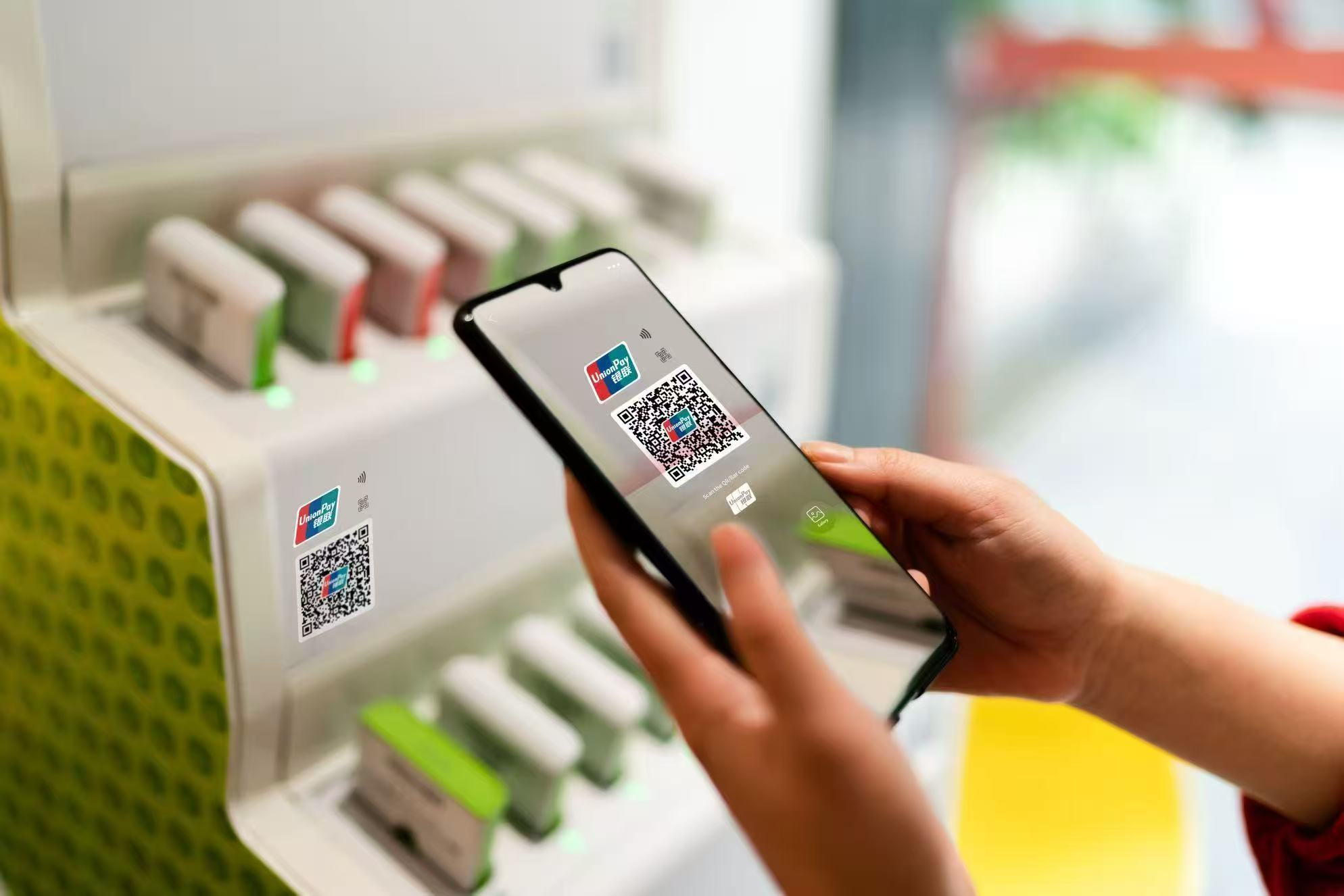
银联跨境二维码互联互通项目

Search documents
跨境支付“码”到成功:银联双项目破局背后,区域金融合作的新路径
Sou Hu Wang· 2025-10-17 14:01
Core Insights - The core viewpoint of the articles highlights the recent advancements in cross-border payment solutions by UnionPay, particularly the launch of two significant projects in Indonesia and Thailand, which enhance payment convenience for Chinese tourists and promote regional payment ecosystem integration [1][10]. Group 1: Project Launches - On September 11, 2025, UnionPay announced the initiation of a cross-border QR code interconnectivity project between China and Indonesia, with full production expected within the year [1]. - Starting October 27, 2025, UnionPay wallets in China will enable payments via Thailand's PromptPay, making UnionPay the first international card brand to offer this service to Chinese tourists in Thailand [1]. Group 2: Cross-Border Payment Solutions - The Indonesian project has achieved extensive coverage with "tens of millions of merchants and diverse wallets," allowing Chinese users to pay at over 39 million QRIS merchants in Indonesia [3]. - The Thai project extends payment capabilities to millions of merchants, including street vendors and small convenience stores, enhancing the payment experience for Chinese tourists [4]. Group 3: Strategic Collaboration - UnionPay's "four-party model" emphasizes strategic industry integration, collaborating with local networks in Indonesia rather than imposing a foreign system [5]. - The partnership with local payment networks and financial institutions, including Ant International and Bank of China, showcases a cooperative approach that reduces costs and risks while enhancing local acceptance [6]. Group 4: Dual-Track Strategy - UnionPay employs a dual-track strategy of Government-to-Government (G2G) and Network-to-Network (N2N) cooperation, facilitating rapid expansion of its global QR code acceptance network [7]. - The G2G model allows for efficient top-down implementation in policy-driven markets, while the N2N model adapts to local market characteristics, ensuring flexibility and responsiveness [8]. Group 5: Broader Implications - The cross-border QR code interconnectivity not only simplifies payment processes but also serves as a foundation for tourism and trade recovery post-pandemic [11]. - UnionPay's approach to payment standard integration respects local regulations, promoting sustainable and replicable practices across 19 countries [12]. - The projects support local currency settlements, enhancing the use of the Chinese yuan in cross-border transactions, particularly in Southeast Asia [12]. Group 6: Future Outlook - UnionPay aims to create a multi-dimensional cross-border acceptance network that integrates card and QR code payments, enhancing the overall payment ecosystem [14]. - The successful implementation of these projects provides valuable experience for future payment collaborations along the Belt and Road Initiative, fostering mutual trust and convenience between nations [14].