错金铜博山炉

Search documents
瓣瓣同心京津冀丨京津冀文物“走亲戚”,博物馆成打卡地
Xin Lang Cai Jing· 2026-02-08 12:22
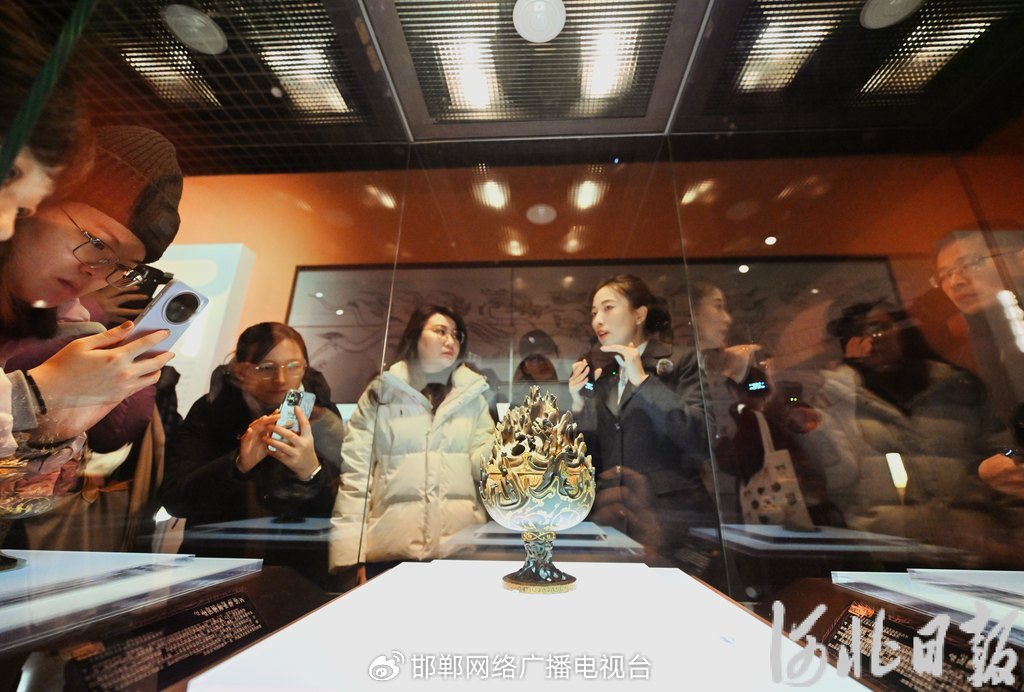
Core Viewpoint - The exhibition of the bronze incense burner from Hebei Museum at Tianjin Museum has attracted significant public interest, similar to the previous exhibition of the Changxin Palace Lantern, indicating a growing trend in cultural tourism and inter-regional collaboration in the Beijing-Tianjin-Hebei area [1][3][4]. Group 1: Exhibition Highlights - The bronze incense burner, known for its intricate design and historical significance, has become a popular attraction, drawing large crowds to the Tianjin Museum [3][4]. - The exhibition has seen visitor numbers peak at over 10,000 per day, showcasing the strong public interest in cultural heritage [4]. - The bronze incense burner is featured alongside other notable artifacts from the Beijing-Tianjin-Hebei region, enhancing the exhibition's appeal [3][4]. Group 2: Collaborative Efforts - The collaboration among the three regions aims to break down geographical barriers and promote cultural resource sharing through joint exhibitions and innovative programming [4][5]. - Previous exhibitions, such as the "Tian Kai Yi Tong - Qin and Han Cultural Relics Theme Exhibition," have resulted in significant public engagement and sales of related cultural products [4][5]. - The ongoing partnership has led to successful sales of cultural products related to the bronze incense burner, indicating a thriving market for cultural merchandise [5].

瓣瓣同心京津冀|京津冀文物“走亲戚”,博物馆成打卡地
Xin Lang Cai Jing· 2026-02-07 23:55
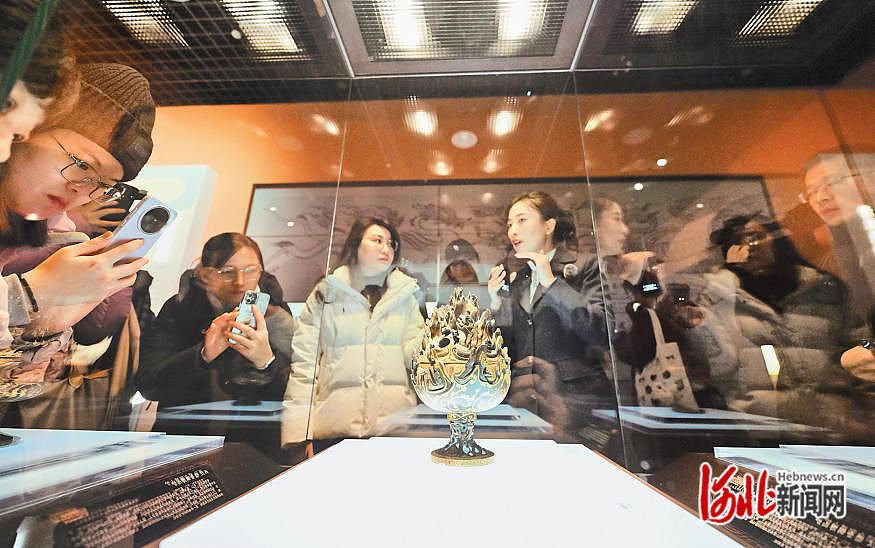
Core Viewpoint - The collaboration among the museums in the Beijing-Tianjin-Hebei region has led to a significant increase in visitor numbers and cultural engagement, showcasing the importance of joint exhibitions and cultural resource sharing [3][4][5] Group 1: Exhibition Highlights - The bronze incense burner, known as the "错金铜博山炉," is a key exhibit at the Tianjin Museum, attracting significant attention due to its cultural significance and connection to popular media [3] - The exhibition has seen a surge in visitors, with daily attendance reaching up to 10,000 people since its opening [4] - Other notable exhibits include artifacts from the Capital Museum and various cultural items from Hebei, enhancing the overall appeal of the exhibition [3][4] Group 2: Cultural Collaboration - The three regions are actively working together to create exhibitions that resonate with local audiences, breaking down geographical barriers and promoting cultural exchange [4] - The Tianjin Museum has hosted over ten exhibitions related to the Beijing-Tianjin-Hebei collaboration in recent years, some of which have become major cultural events [4] - The success of the "长信宫灯" exhibition last year led to innovative cross-regional collaborations in cultural product sales, setting a precedent for future partnerships [4][5] Group 3: Cultural Products and Sales - The sales of cultural products related to the bronze incense burner have been strong, with items frequently selling out and requiring restocking [5] - The collaboration extends to the development and marketing of cultural products, integrating heritage into everyday life and expanding sales channels [5]
京津冀文物“走亲戚”,博物馆成打卡地
Xin Lang Cai Jing· 2026-02-07 21:54
Core Viewpoint - The collaboration among the Beijing-Tianjin-Hebei region museums is enhancing cultural exchange and attracting significant visitor interest, with notable exhibitions featuring ancient artifacts drawing large crowds [3][4][5]. Group 1: Exhibition Highlights - The Tianjin Museum is currently showcasing the "Cloisonné Bronze Incense Burner," which has gained popularity due to its association with the movie "Nezha 2" [3]. - The exhibition has led to a surge in visitor numbers, with peak attendance reaching over 10,000 people in a single day [4]. - Other notable artifacts on display include items from the Capital Museum and the Hebei Museum, contributing to a rich cultural experience [3][4]. Group 2: Collaborative Efforts - The three regions are actively working together to create exhibitions that resonate with local audiences, breaking down geographical barriers and promoting cultural resource sharing [5]. - The Tianjin Museum has hosted over ten exhibitions related to the Beijing-Tianjin-Hebei collaboration in recent years, some of which have become phenomenon-level events [5]. - The successful collaboration has also extended to the sale of cultural and creative products, with items related to the exhibitions frequently selling out [5].
文博日历丨5只凤鸟飞了2000年 这个西汉“全能香氛机”自带祥瑞
Xin Lang Cai Jing· 2026-01-17 22:51
Core Viewpoint - The article discusses the historical significance and multifunctionality of incense burners in ancient China, highlighting their aesthetic appeal and health benefits during winter [1]. Group 1: Historical Significance - Incense has been appreciated since ancient times, serving both aesthetic and practical purposes, especially in winter for warmth [1]. - The design of the "Five Phoenix Copper Incense Burner" showcases intricate craftsmanship, with five phoenixes symbolizing creativity and functionality [4]. Group 2: Multifunctionality - Incense burners were used not only for fragrance but also for health benefits, acting as early air purifiers and wellness tools [4][5]. - Historical records indicate that burning incense could alleviate ailments and improve overall well-being, demonstrating the ancient understanding of health practices [5]. Group 3: Cultural Artifacts - Various ancient incense burners, such as the "错金铜博山炉" and "鎏金卧龟莲花纹五足朵带银香炉," exemplify the rich cultural heritage and artistic excellence of their time [5][6]. - The article emphasizes the ceremonial aspect of incense use in ancient rituals, reflecting the importance of aesthetics and sensory experiences in daily life [6].