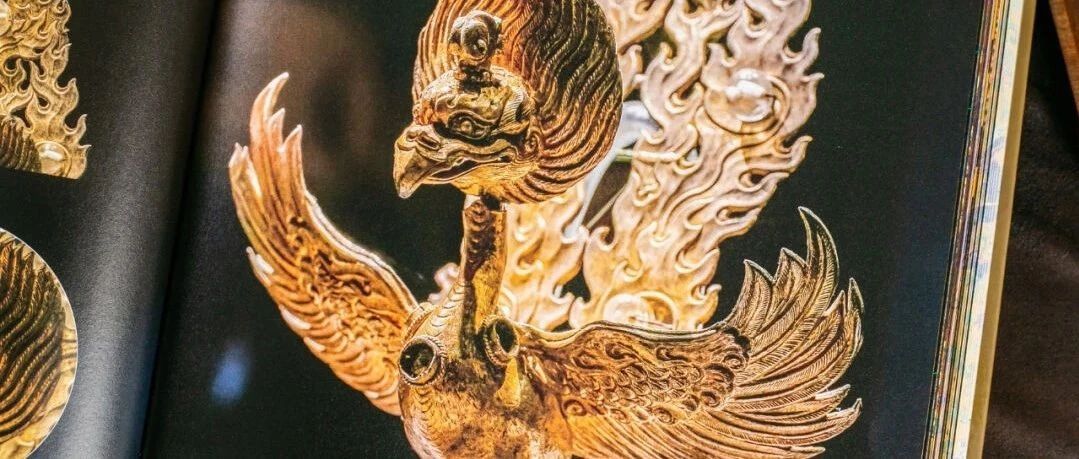
长信宫灯

Search documents
瓣瓣同心京津冀丨京津冀文物“走亲戚”,博物馆成打卡地
Xin Lang Cai Jing· 2026-02-08 12:22
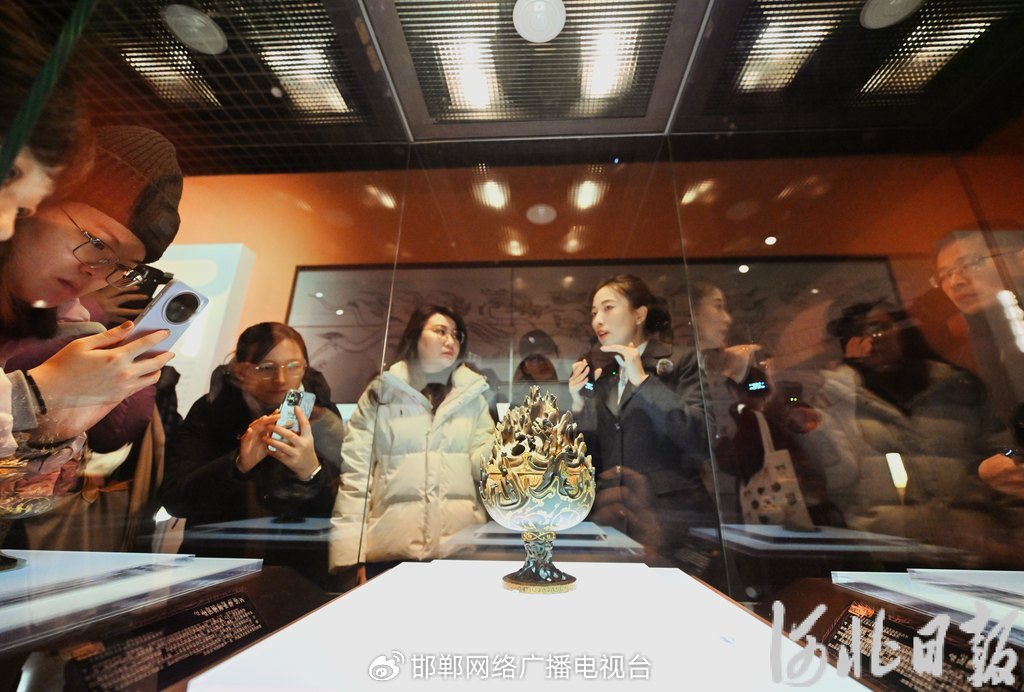
Core Viewpoint - The exhibition of the bronze incense burner from Hebei Museum at Tianjin Museum has attracted significant public interest, similar to the previous exhibition of the Changxin Palace Lantern, indicating a growing trend in cultural tourism and inter-regional collaboration in the Beijing-Tianjin-Hebei area [1][3][4]. Group 1: Exhibition Highlights - The bronze incense burner, known for its intricate design and historical significance, has become a popular attraction, drawing large crowds to the Tianjin Museum [3][4]. - The exhibition has seen visitor numbers peak at over 10,000 per day, showcasing the strong public interest in cultural heritage [4]. - The bronze incense burner is featured alongside other notable artifacts from the Beijing-Tianjin-Hebei region, enhancing the exhibition's appeal [3][4]. Group 2: Collaborative Efforts - The collaboration among the three regions aims to break down geographical barriers and promote cultural resource sharing through joint exhibitions and innovative programming [4][5]. - Previous exhibitions, such as the "Tian Kai Yi Tong - Qin and Han Cultural Relics Theme Exhibition," have resulted in significant public engagement and sales of related cultural products [4][5]. - The ongoing partnership has led to successful sales of cultural products related to the bronze incense burner, indicating a thriving market for cultural merchandise [5].

瓣瓣同心京津冀|京津冀文物“走亲戚”,博物馆成打卡地
Xin Lang Cai Jing· 2026-02-07 23:55
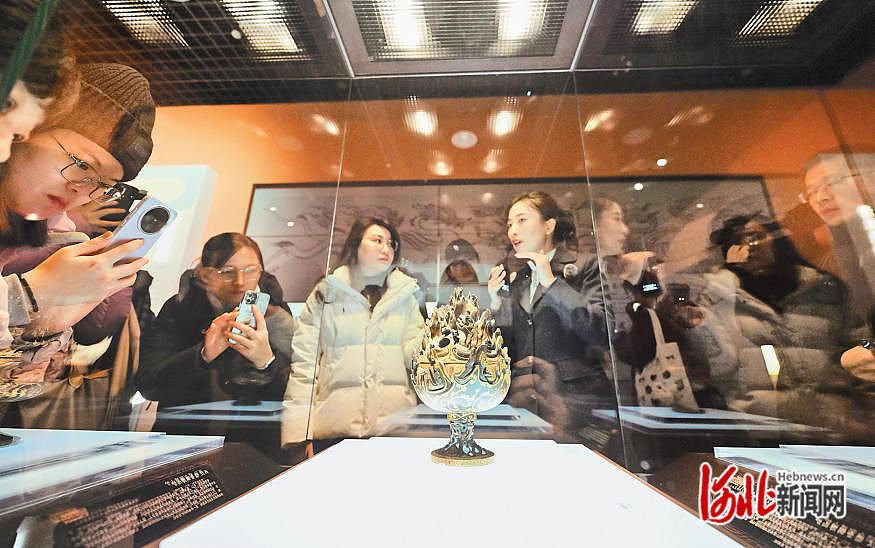
Core Viewpoint - The collaboration among the museums in the Beijing-Tianjin-Hebei region has led to a significant increase in visitor numbers and cultural engagement, showcasing the importance of joint exhibitions and cultural resource sharing [3][4][5] Group 1: Exhibition Highlights - The bronze incense burner, known as the "错金铜博山炉," is a key exhibit at the Tianjin Museum, attracting significant attention due to its cultural significance and connection to popular media [3] - The exhibition has seen a surge in visitors, with daily attendance reaching up to 10,000 people since its opening [4] - Other notable exhibits include artifacts from the Capital Museum and various cultural items from Hebei, enhancing the overall appeal of the exhibition [3][4] Group 2: Cultural Collaboration - The three regions are actively working together to create exhibitions that resonate with local audiences, breaking down geographical barriers and promoting cultural exchange [4] - The Tianjin Museum has hosted over ten exhibitions related to the Beijing-Tianjin-Hebei collaboration in recent years, some of which have become major cultural events [4] - The success of the "长信宫灯" exhibition last year led to innovative cross-regional collaborations in cultural product sales, setting a precedent for future partnerships [4][5] Group 3: Cultural Products and Sales - The sales of cultural products related to the bronze incense burner have been strong, with items frequently selling out and requiring restocking [5] - The collaboration extends to the development and marketing of cultural products, integrating heritage into everyday life and expanding sales channels [5]
京津冀文物“走亲戚”,博物馆成打卡地
Xin Lang Cai Jing· 2026-02-07 21:54
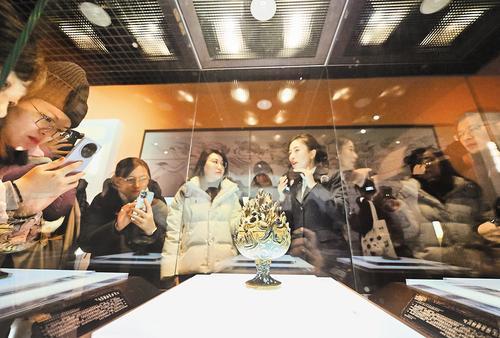
Core Viewpoint - The collaboration among the Beijing-Tianjin-Hebei region museums is enhancing cultural exchange and attracting significant visitor interest, with notable exhibitions featuring ancient artifacts drawing large crowds [3][4][5]. Group 1: Exhibition Highlights - The Tianjin Museum is currently showcasing the "Cloisonné Bronze Incense Burner," which has gained popularity due to its association with the movie "Nezha 2" [3]. - The exhibition has led to a surge in visitor numbers, with peak attendance reaching over 10,000 people in a single day [4]. - Other notable artifacts on display include items from the Capital Museum and the Hebei Museum, contributing to a rich cultural experience [3][4]. Group 2: Collaborative Efforts - The three regions are actively working together to create exhibitions that resonate with local audiences, breaking down geographical barriers and promoting cultural resource sharing [5]. - The Tianjin Museum has hosted over ten exhibitions related to the Beijing-Tianjin-Hebei collaboration in recent years, some of which have become phenomenon-level events [5]. - The successful collaboration has also extended to the sale of cultural and creative products, with items related to the exhibitions frequently selling out [5].
美归还的中国国宝,刺痛了多少中国人
凤凰网财经· 2025-06-17 13:28
Core Viewpoint - The article emphasizes the significance of cultural heritage and the increasing interest of Chinese people in their historical artifacts, particularly through museum visits and the return of lost treasures [4][6][11]. Group 1: Cultural Heritage and Artifacts - The Smithsonian Institution returned the lost artifacts "Wuxing Ling" and "Gongshou Zhan" to China after 79 years [2][3]. - Over 10 million cultural relics have been lost from China since 1840, many of which are now housed in major museums like the British Museum and the Metropolitan Museum of Art [4]. - The return of these artifacts symbolizes the historical memory of the Chinese nation and its journey towards cultural revival [6]. Group 2: Public Interest in Museums - There is a growing trend among Chinese people to visit museums, especially during holidays, with over 70 million visitors reported during a recent holiday [9]. - Major attractions included the Terracotta Army Museum with over 420,000 visitors, the Forbidden City with over 650,000, and the Chengdu Museum with over 2.06 million [9]. - Cambridge professor Martin expressed admiration for the Chinese people's connection to their cultural artifacts, highlighting the stories each piece tells [11]. Group 3: The Importance of Art and Aesthetics - The article discusses the emotional and historical significance of various artifacts, such as the Jiahu bone flute and the Terracotta Warriors, which connect modern viewers to ancient civilizations [13][17]. - The narrative emphasizes that understanding these artifacts enriches one's appreciation of Chinese history and culture [20][28]. Group 4: Promotion of "The Complete Book of Chinese National Treasures" - The article promotes "The Complete Book of Chinese National Treasures," which features over 1,000 artifacts from 50 museums, aiming to provide a comprehensive view of 10,000 years of Chinese civilization [28][70]. - The book is described as a treasure trove for art lovers, offering high-quality images and detailed descriptions of each artifact [36][70]. - It is marketed as an essential resource for both children and adults to enhance their understanding of Chinese culture and history [144][145].