养生理念

Search documents
腊八到,收好这份时令“食单”
Xin Hua She· 2026-01-25 04:17
Group 1 - The article discusses the traditional customs and health benefits associated with the Laba Festival, particularly focusing on Laba porridge and Laba garlic [1] - Laba porridge is made from a variety of ingredients, including grains and beans, and follows the traditional Chinese dietary principle of balanced nutrition [1] - It is recommended to consume Laba porridge hot and in moderation, with specific dietary suggestions based on individual health needs [1] Group 2 - The article highlights the popularity of Laba garlic, which is known for its sour and spicy flavor, and provides tips for its preparation and storage [1] - Experts caution that certain groups, such as those with gastrointestinal issues or symptoms of heat, should limit their intake of Laba garlic due to its acidity [1] - The article also mentions the preparation of cured meats during the cold and dry weather of the Laba month, advising caution due to potential harmful substances and high salt content in these foods [2]
文博日历丨5只凤鸟飞了2000年 这个西汉“全能香氛机”自带祥瑞
Xin Lang Cai Jing· 2026-01-17 22:51
Core Viewpoint - The article discusses the historical significance and multifunctionality of incense burners in ancient China, highlighting their aesthetic appeal and health benefits during winter [1]. Group 1: Historical Significance - Incense has been appreciated since ancient times, serving both aesthetic and practical purposes, especially in winter for warmth [1]. - The design of the "Five Phoenix Copper Incense Burner" showcases intricate craftsmanship, with five phoenixes symbolizing creativity and functionality [4]. Group 2: Multifunctionality - Incense burners were used not only for fragrance but also for health benefits, acting as early air purifiers and wellness tools [4][5]. - Historical records indicate that burning incense could alleviate ailments and improve overall well-being, demonstrating the ancient understanding of health practices [5]. Group 3: Cultural Artifacts - Various ancient incense burners, such as the "错金铜博山炉" and "鎏金卧龟莲花纹五足朵带银香炉," exemplify the rich cultural heritage and artistic excellence of their time [5][6]. - The article emphasizes the ceremonial aspect of incense use in ancient rituals, reflecting the importance of aesthetics and sensory experiences in daily life [6].

当中医药邂逅夜经济 “中医夜市”悄然走红
Xin Hua Wang· 2025-08-05 13:36
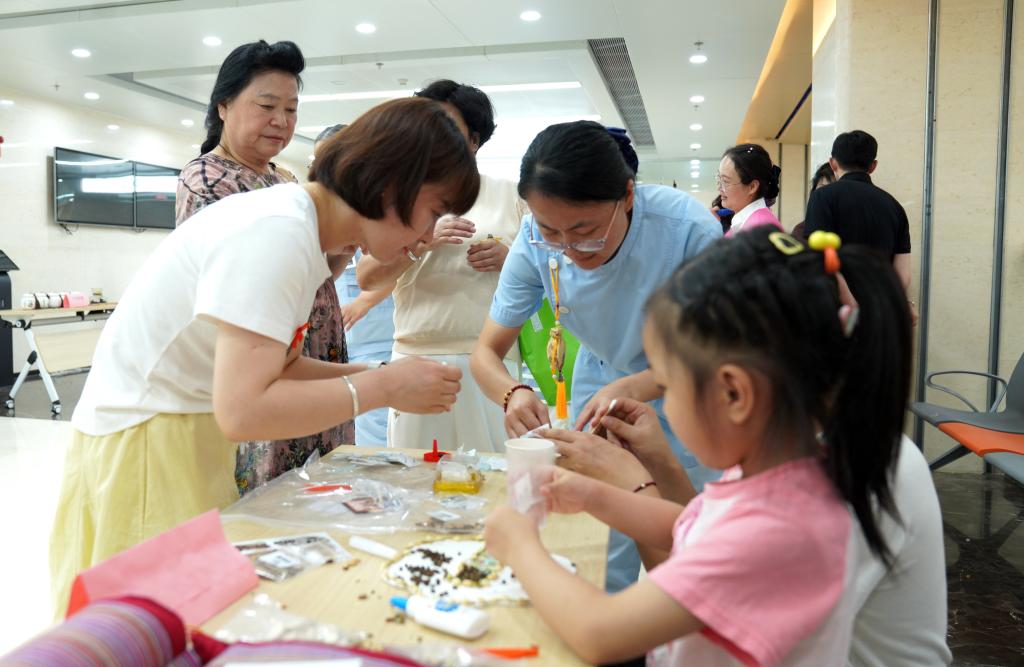
Core Insights - The rise of "Traditional Chinese Medicine Night Markets" in Gansu Province reflects a growing interest in health and wellness among the public, particularly in urban areas [1][3][7] - The initiative is part of a broader cultural promotion campaign aimed at making traditional Chinese medicine more accessible and relatable to the general population [3][5][7] Group 1: Market Trends - "Traditional Chinese Medicine Night Markets" have become popular in bustling commercial areas, attracting crowds who seek relaxation and wellness treatments like acupuncture and moxibustion [1][3] - The markets offer a variety of experiences, including free herbal drinks and DIY activities for children, enhancing community engagement with traditional practices [3][5] Group 2: Consumer Behavior - Younger consumers are particularly drawn to the markets, showing a preference for convenient, portable health products like ready-to-drink tea bags [7] - The changing health concepts and consumption habits among the public are evident, with a shift towards personalized and immediate wellness solutions [7] Group 3: Cultural Significance - Gansu Province, as a historical center for traditional Chinese medicine, is leveraging its cultural heritage to promote health and wellness through these markets [3][5] - The initiative aims to bridge the gap between ancient medical wisdom and modern lifestyle needs, making traditional practices more relevant to contemporary society [7]