
防烟面罩

Search documents
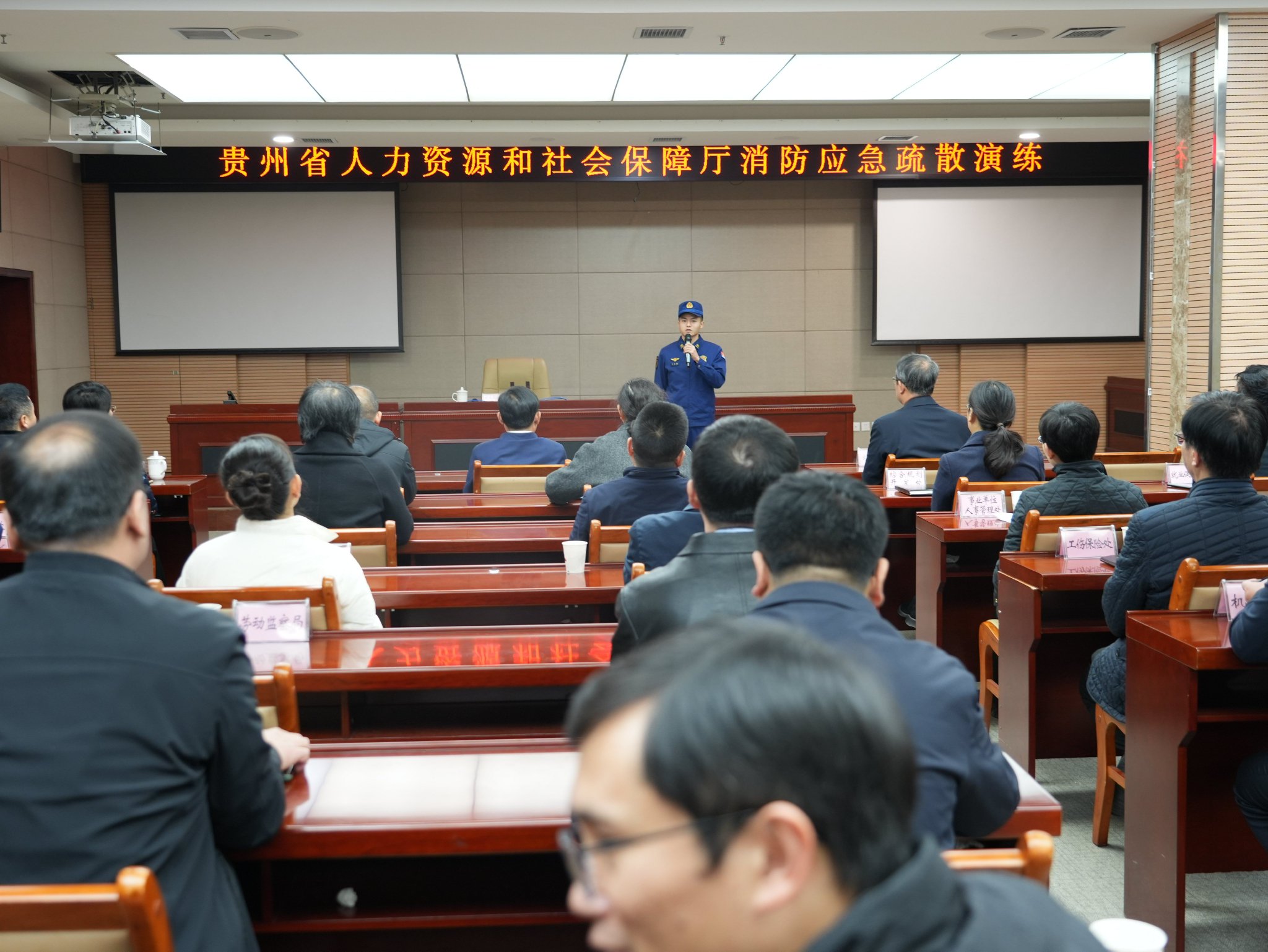
贵阳云岩消防应邀前往省人社厅开展消防安全培训暨应急演练
Xin Lang Cai Jing· 2025-12-20 03:37
Group 1 - The training involved analyzing various fire cases, discussing causes, characteristics, and hazards, and interpreting relevant laws and regulations [1] - The training emphasized the importance of daily fire safety management and responsibilities, using a "case + theory" approach to teach fire hazard inspection, initial fire extinguishing, and evacuation techniques [1] - Key aspects checked during the training included the effectiveness of fire safety equipment, compliance of fire-fighting tools, and the accessibility of evacuation routes and exits, highlighting the importance of "cutting off power when leaving" [1] Group 2 - Practical training was conducted on the correct use of common fire-fighting equipment such as dry powder extinguishers, smoke masks, and fire hydrants, with hands-on operation encouraged [5] - A fire drill was organized where participants used wet towels to cover their mouths and noses, maintaining a low posture while evacuating to a safe area [6] - After the drill, firefighters provided feedback, stressing the importance of staying calm during a fire and adhering to the "hide from fire, avoid smoke" principle while choosing the correct escape route [6]

高层起火如何逃生?记住这些危急时刻能救命
Yang Shi Xin Wen Ke Hu Duan· 2025-11-28 02:43
Core Viewpoint - The article discusses the characteristics of high-rise fires and provides essential escape strategies to ensure safety during such incidents. Group 1: Characteristics of High-Rise Fires - High-rise fires are difficult to extinguish due to factors like height, operational conditions, and weather, making outdoor firefighting challenging when indoor systems fail [3] - High-rise buildings have various complex spaces, which can delay the optimal timing for alarm and rescue [4] - Evacuation is slow due to the large number of floors and people, resulting in longer evacuation times and increased difficulty [5] - Fire spreads quickly in high-rise buildings due to significant fire loads and numerous vertical shafts, with smoke often filling spaces within approximately three minutes [6] Group 2: Escape Strategies - In case of a fire on a higher floor, the danger is minimal as the fire is above, allowing for safe evacuation via stairs [7] - If a fire occurs on the same floor, the decision to evacuate depends on the smoke situation [8] - When assessing smoke outside a door, if there is no smoke, evacuate quickly; if smoke is present, seal the door and wait for rescue [9] - If a fire is detected indoors and cannot be controlled, immediate evacuation is necessary; if the exit is blocked, find a room with a window, seal it, and wait for help [10] - A fire below poses significant danger; many casualties occur when individuals attempt to escape blindly [11] - When assessing smoke in the hallway, if heavy smoke is present, retreat and seal the door; if the hallway is clear, evacuate [12] Group 3: Key Escape Tips - Remember the phrase "small fire, run fast; big fire, close the door" to determine when to evacuate or stay put [13] - If a fire is in the home and the escape route is clear, evacuate quickly; if the fire is in another unit, assess the risk before deciding to leave [15] - Use a smoke mask for better protection than a wet towel, as it filters toxic smoke components [16] - Evacuate decisively, avoiding the temptation to gather belongings, and follow emergency exit signs [22] - Avoid using elevators during a fire, as they may malfunction or become conduits for smoke [24] - Protect against smoke by using a wet towel or smoke mask, and crawl low to the ground if necessary [26] - Do not blindly run towards bright areas, as they may indicate the presence of fire; assess the situation before choosing an escape route [28] - If waiting for rescue, choose a room near a main road without security bars, seal it, and prevent smoke from entering [30] - Early detection and avoidance of smoke are crucial for maximizing safety during a fire [32]
高层起火应该往哪儿跑?记住这些危急时刻能救命
Yang Shi Xin Wen Ke Hu Duan· 2025-11-27 02:08
Core Viewpoint - The article discusses the characteristics of high-rise fires and provides essential escape strategies for individuals in such situations, emphasizing the importance of understanding fire behavior and proper evacuation techniques. Group 1: Characteristics of High-Rise Fires - High-rise fires are difficult to extinguish due to factors such as height, operational conditions, and weather, making outdoor firefighting challenging when indoor systems fail [3] - High-rise buildings have numerous complex spaces, which can delay the optimal timing for alarm and rescue [4] - Evacuation is slow due to the large number of floors and people, resulting in extended evacuation times and increased difficulty [5] - Fire spreads quickly in high-rise buildings due to high fire loads and multiple vertical shafts, with smoke often filling spaces within approximately three minutes [6] Group 2: Escape Strategies - During evacuation, individuals should cover their mouths and noses with a wet towel to avoid smoke inhalation and use a wet blanket for body protection. If smoke is present, they should stay low and move quickly [7] - If a fire occurs above, it is relatively safer as the fire is above the individual, allowing for evacuation via stairs without using elevators [8] - In the case of a fire on the same floor, the decision to evacuate depends on the smoke situation. If there is no smoke outside the door, evacuate quickly; if there is smoke, seal the door and wait for rescue [9] - If a fire is detected in the room, immediate evacuation is necessary. If the exit is blocked, find a room with a window, seal it, and wait for help [10] - If a fire occurs below, it is extremely dangerous. The decision to evacuate should be based on the smoke situation outside the door. If smoke is present, retreat and seal the door [12] Group 3: Key Reminders for Fire Situations - The mantra "small fire, run quickly; big fire, close the door" applies when assessing the situation. If a fire is manageable and does not block the escape route, evacuate quickly [8] - In cases where a fire is in another unit, if the hallway is clear, it is advisable to evacuate early [9] - When a fire is in the same building but not directly threatening, individuals should remain calm, seal doors, and wait for rescue while providing clear information to emergency services [20][23] - Avoid using elevators during a fire as they may become inoperable or act as conduits for smoke [22] - Proper protective measures include using wet towels or smoke masks to filter toxic smoke, and individuals should stay low to the ground during evacuation [23][24]
2025年中国消防器材行业产业链、发展背景、市场规模、重点企业经营情况及未来趋势研判:国家高度重视消防工作,推动消防器材市场蓬勃发展[图]
Chan Ye Xin Xi Wang· 2025-05-27 01:37
Industry Overview - China is one of the largest fire equipment markets globally, experiencing rapid growth due to economic development, urbanization, and increased government investment in fire safety [1][18] - The market size of China's fire equipment industry is projected to reach approximately 37.57 billion yuan in 2024, with expectations for continued stable growth driven by enhanced safety regulations and technological advancements [1][18] Market Dynamics - The fire equipment industry is witnessing a surge in demand as the number of reported fire incidents increases, with 908,000 cases reported in 2024, leading to direct property losses of 7.74 billion yuan [15] - The global fire equipment market is expected to grow from 11 billion USD in 2020 to 24 billion USD by 2025, with a compound annual growth rate (CAGR) of 16.89% [17] Key Companies - Notable listed companies in the fire equipment sector include Qingniao Fire (002960), Wuhan Ligong Optical Science (300557), and Shanghai Qingpu Fire (08115), among others [1] - Qingniao Fire reported a revenue of 4.636 billion yuan in 2024, with a slight decline of 1.53% year-on-year, while its fire safety service revenue increased by 15.67% [25] Industry Development Trends - The industry is moving towards smart and multifunctional fire equipment, emphasizing real-time monitoring and automatic fire suppression capabilities [29] - There is a growing need for specialized and customized fire safety solutions tailored to different industries and environments [30] - Increased government focus on fire safety is expected to lead to more regulations and standards, promoting a more organized and competitive market [32] Material Supply and Production - Aluminum alloy is a key material in fire equipment manufacturing, with China's production expected to grow from 7.922 million tons in 2017 to 16.141 million tons by 2024, reflecting a CAGR of 10.7% [13] - The upstream supply chain for fire equipment includes raw materials and core components such as steel, aluminum alloys, and fire extinguishing agents, which are in a state of healthy competition [11] Market Structure - The fire equipment industry in China is characterized by low market concentration and fragmented competition, with many small to medium-sized enterprises lacking core technological advantages [23] - Leading companies are focusing on R&D to enhance product value and are strategically positioning themselves in the mid to high-end market segments [23]


广州发布“家庭医疗应急包”建议清单
Nan Fang Ri Bao Wang Luo Ban· 2025-05-13 08:26
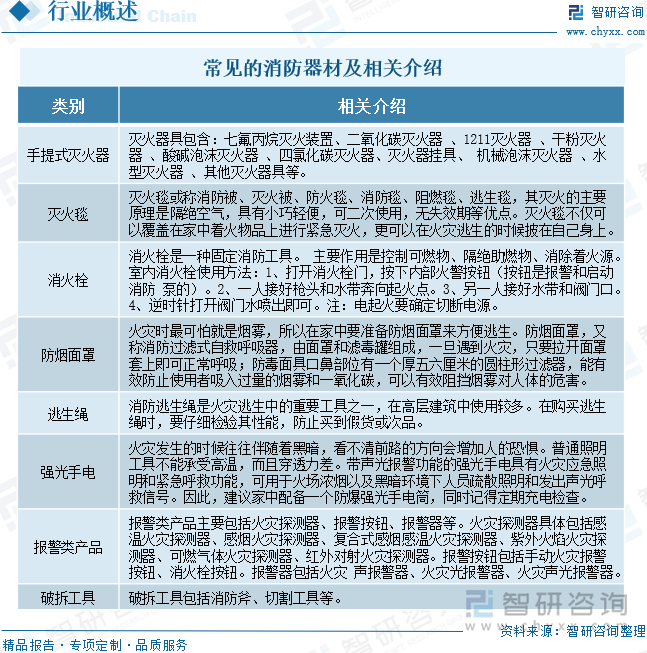
Core Viewpoint - The article highlights the launch of the "Family Medical Emergency Kit" recommendation list in Guangzhou, aimed at enhancing families' self-rescue and mutual rescue capabilities in response to emergencies [1][2]. Group 1: Emergency Kit Recommendations - The "Family Medical Emergency Kit" includes 32 types of materials across 7 categories, such as wound care, external medications, allergy medications, cold medicines, gastrointestinal drugs, and disinfectants [1]. - The kit emphasizes convenience and safety, with most external medical devices being single-use to prevent infection risks [1]. Group 2: Extended Emergency Kit - An "Extended Kit" recommendation list was also released, which includes fire extinguishers, smoke masks, fire blankets, safety ropes, independent smoke detectors, and survival whistles to enhance family preparedness for fire and other emergencies [1]. - It is suggested that families equip themselves with dry powder fire extinguishers with a capacity of 1000 to 2000 milliliters, particularly suitable for electrical fires [1]. Group 3: Maintenance and Education - Regular checks and replacements of household fire safety equipment are advised, with fire extinguishers having a lifespan of 10 years and extinguishing agents lasting 5 years; smoke masks should be replaced every 3 years [2]. - During the disaster prevention and reduction awareness week, the Guangzhou Health Commission will organize expert teams to conduct educational activities in rural areas to improve villagers' awareness and capabilities regarding health emergencies [2].