阿迪达斯世界杯主场球衣

Search documents
运动巨头争锋,谁能在中国市场跑得更快?
第一财经· 2025-11-08 13:19
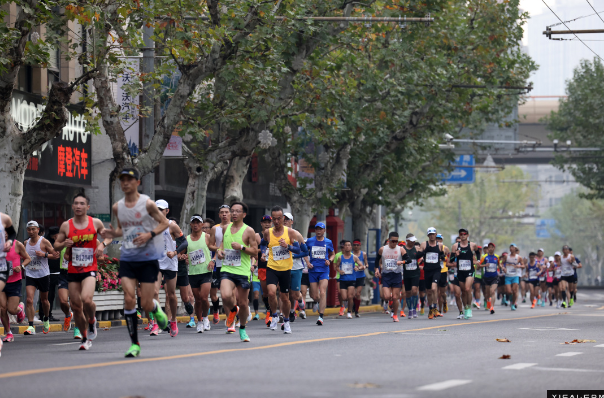
Core Insights - The article highlights the competitive landscape of the sportswear industry at the ongoing China International Import Expo (CIIE), emphasizing the growing demand for sports apparel driven by China's fitness initiatives and consumer interest in sports [3][15]. Market Demand and Competition - China has a massive market for sportswear, with over 300 million people participating in fitness activities weekly, which is comparable to the total population of the United States [5][6]. - The majority of fitness participants are casual enthusiasts rather than professional athletes, indicating a broad consumer base for sportswear brands [5]. Company Performance and Strategies - ASICS reported a net sales figure of 4.88 billion yuan in China for 2024, marking a nearly 30% growth, with a 21.5% year-on-year increase in the first quarter of 2025 [7]. - Lululemon achieved a 25% revenue growth in the Chinese market in the second quarter and opened its 165th store in the region, indicating rapid expansion [7][8]. - Nike, participating in CIIE for the sixth year, showcased its commitment to the Chinese market through innovative installations and a focus on athlete-centered product development [8][9]. Local Innovation and Global Impact - Lululemon's experience in China has influenced its global retail strategies, leading to larger store formats to enhance customer experience [12][13]. - Nike established its first creative production center outside the U.S. in Shanghai, emphasizing local research and development to better understand Chinese athletes' needs [13][14]. - Adidas has localized over 60% of its products designed for the Chinese market, reflecting a trend of reverse purchasing where local designs gain international recognition [14]. Consumer Trends - A report by Lululemon and Tsinghua University indicates that 68% of respondents believe exercise enhances happiness, showcasing a growing trend of associating physical activity with well-being [14].


聚焦进博会|全球运动品牌进博会争锋:谁能在中国市场跑得更快
Di Yi Cai Jing· 2025-11-08 12:01
Core Insights - The China International Import Expo (CIIE) has become a strategic platform for global sportswear giants to launch new products and compete for the Chinese market, driven by a growing demand for sports participation and fitness among Chinese consumers [1][3][9] Market Demand and Growth - Over 300 million people in China participate in fitness activities weekly, representing a significant market opportunity for sportswear brands, with less than 10% being professional athletes [3] - ASICS expects a net sales revenue of 4.88 billion yuan in China for 2024, marking a nearly 30% growth, with a 21.5% year-on-year increase in Q1 of the 2025 fiscal year [3] - Lululemon achieved a 25% revenue growth in the Chinese market in Q2, making it the second-largest market globally for the brand [4] Competitive Landscape - Nike, Adidas, Lululemon, and Skechers are key players in the Chinese sportswear market, with Nike being the largest brand [4][5] - Adidas showcased its latest innovations at CIIE, including the official match ball for the upcoming World Cup, while Skechers reported a projected global sales revenue exceeding $8.9 billion for 2024 [5] Local Market Strategies - Lululemon plans to increase the proportion of new products to nearly 33% each season by next year, while also expanding into second and third-tier cities in China [4] - Nike has established a creative production center in Shanghai and a sports research lab to better understand local athletes' needs, indicating a long-term commitment to the Chinese market [7][8] Global Influence of Chinese Market - The experiences and innovations developed in China are beginning to influence global strategies for these sportswear companies, with local designs gaining recognition in international markets [7][8] - Adidas reports that over 60% of its products sold in China are designed by local teams, reflecting a strong local influence on product development [8] Consumer Trends - A report indicates that 68% of respondents believe that exercise enhances happiness, highlighting a growing trend towards fitness and well-being among Chinese consumers [9]