雁归洲项目

Search documents
“史上最强接盘侠”:从买一套烂尾房到买下整个小区
Jing Ji Guan Cha Wang· 2025-12-05 09:16
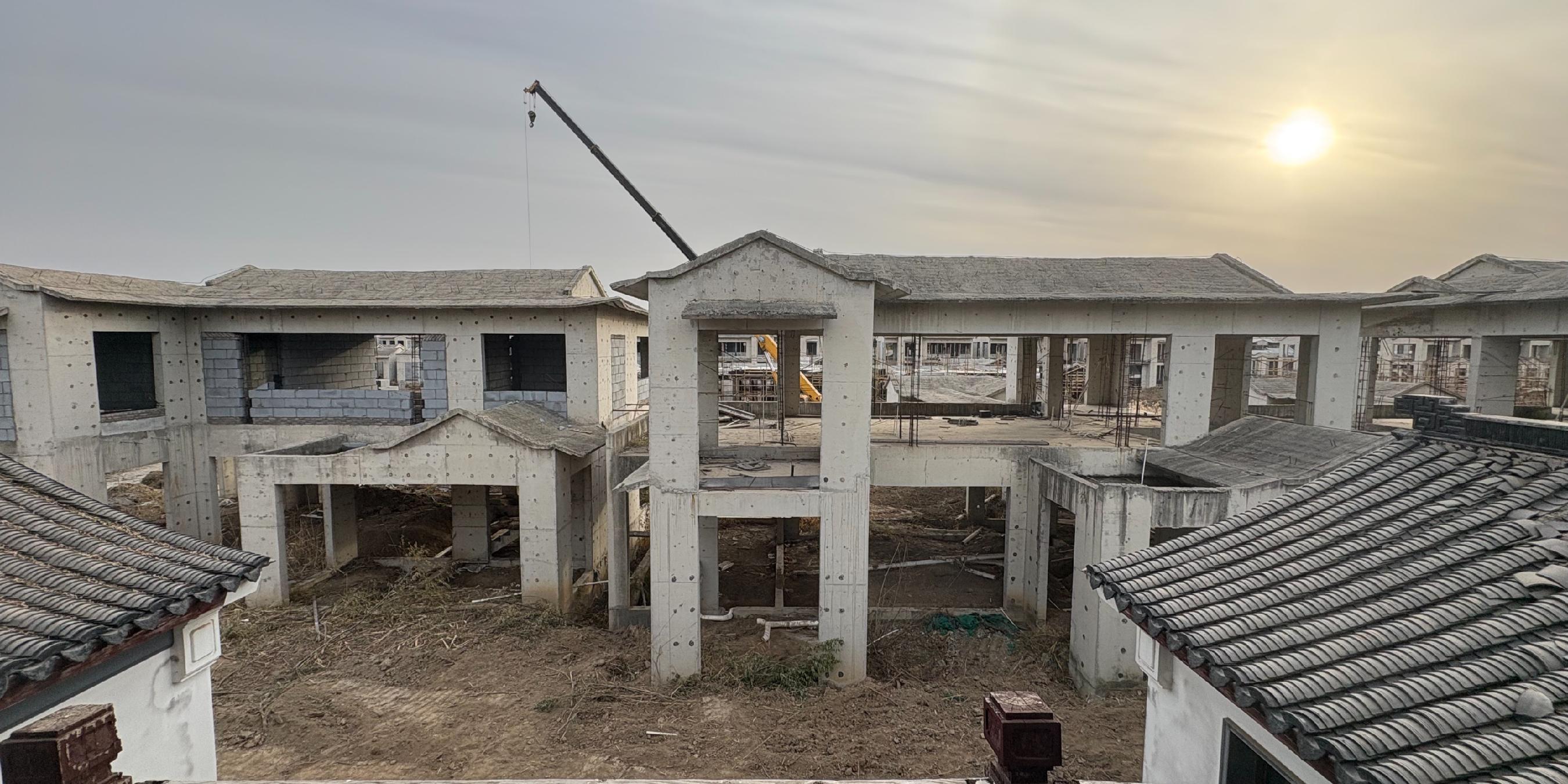
Core Viewpoint - The article discusses the revival of the "Yanguizhou" project, previously known as the Baiyangdian Peacock City, which was stalled for several years and has recently been taken over by Beijing Hongxin, with plans for redevelopment and completion by 2027 [2][3][5]. Group 1: Project Background - The Yanguizhou project consists of two plots covering 273.84 acres with a total construction area of 139,500 square meters, originally launched in 2016 at a price of approximately 11,000 yuan per square meter [4]. - The project was halted in mid-2017 due to planning adjustments, with most villas pre-sold and only a few remaining unsold [4][5]. Group 2: Ownership and Management Changes - In October 2024, Beijing Hongxin took over the long-stalled Baiyangdian Peacock City project, and in January 2025, the project was officially renamed Yanguizhou [5][11]. - The ownership transition involved a transaction of 45 million yuan and the assumption of 1.546 billion yuan in debts, totaling a cost of 1.591 billion yuan for the acquisition [14][15]. Group 3: Current Development Status - As of December 2025, the commercial area of the Yanguizhou project is nearly completed, while the hotel project is still under construction [5][6]. - The residential area is primarily in construction and repair, with many buildings requiring significant restoration due to prolonged exposure to the elements [6][15]. Group 4: Future Plans and Investment Recovery - Future plans include the construction of additional residential units, a new ancient town for tourism, and potential conversion of some residential units into vacation rentals [7][8][16]. - The project aims to recover investments through unsold residential units, operational revenue from commercial and hotel assets, and the anticipated success of the new ancient town [16][17]. Group 5: Challenges and Market Conditions - Despite the potential for significant revenue generation, the project faces challenges such as a lack of nearby living amenities and the need for strong operational capabilities to succeed in the competitive real estate market [17].