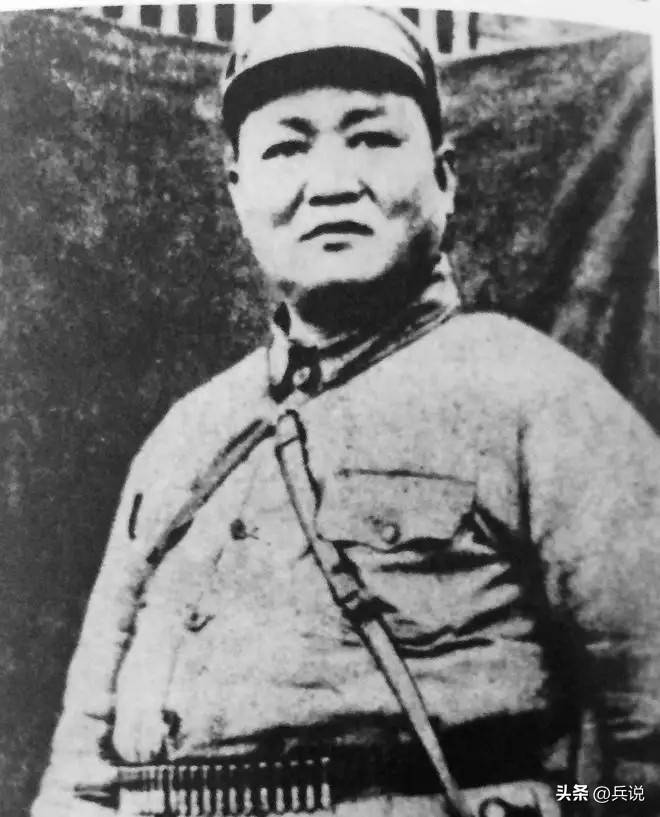
雪枫刀

Search documents
他37岁壮烈牺牲,四个月后消息才公之于众
Xin Lang Cai Jing· 2026-02-02 13:53
他是人民军队中难得的 文武双全、军政兼优的高级将领 被毛泽东主席称为"虎胆英雄" "儒将" 也是抗日战争中新四军牺牲的最高将领之一 他就是彭雪枫 骑兵团不负众望,成为了彭雪枫手中的一张王牌,每到关键时刻都发挥出重要作用,在抗日战场上参加 大小数百次战斗,屡建奇功。 1944年,日军集中50余万兵力,对平汉、粤汉、湘桂铁路沿线发动侵华战争以来规模最大的豫湘桂战 役,华中大片国土沦入敌手。在此情况下,中共中央做出指示,要求以彭雪枫为师长、张震为参谋长的 新四军第四师为主力部队,收复津浦路以西地区。 1944年9月11日,在河南省夏邑县八里庄,彭雪枫率领新四军第四师与敌寇展开厮杀时,被流弹击中, 壮烈牺牲,年仅37岁。 不久后,新四军第四师骑兵团正式成立。彭雪枫亲自给战士们讲课,做骑兵战术示范。他还设计了一把 集各家所长,更适合中国人使用的新式马刀,被战士们称为"雪枫刀"。 彭雪枫牺牲的时候,妻子林颖在津浦路东做地方工作,已怀孕数月,正满心欢喜期待着丈夫归来。为了 不让她过于伤心影响身体,战友们把彭雪枫牺牲的消息瞒了下来。 1938年秋,正在河南确山竹沟训练抗日武装的彭雪枫,接到毛泽东交给他的任务:率部挺进豫东,深 ...

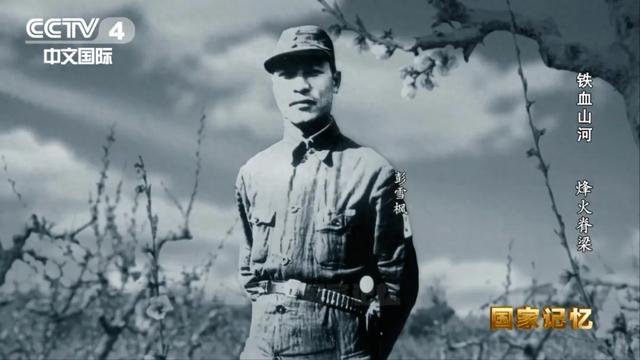
抗日英雄谱丨彭雪枫:37岁血洒战场 一把“雪枫刀”杀得日寇心胆寒
Yang Shi Xin Wen Ke Hu Duan· 2025-06-26 13:06
Core Viewpoint - The article highlights the revolutionary achievements and legacy of Peng Xuefeng, a prominent leader in the Chinese Red Army and New Fourth Army, emphasizing his contributions to the anti-Japanese resistance and his exemplary character as recognized by Mao Zedong and Zhu De [1][24]. Group 1: Early Life and Military Career - Peng Xuefeng was born in 1907 in Henan Province and joined the Chinese Communist Party in September 1926 [3]. - During the Long March, he led successful military operations, including the capture of key locations such as Lou Mountain Pass and Zunyi City [3]. - In 1936, he was appointed as a full representative of the Central Committee in Shanxi, tasked with the critical mission of uniting forces against Japan [3][6]. Group 2: Strategic Negotiations and Leadership - Peng Xuefeng effectively negotiated with Yan Xishan, addressing his concerns about territorial integrity and promoting the Communist Party's anti-Japanese agenda [6][8]. - His diplomatic efforts led to the collaboration between the Communist Party and Yan's forces, facilitating the deployment of the Eighth Route Army to the front lines [8]. Group 3: Contributions to Anti-Japanese Warfare - In 1938, he was assigned to advance into East Henan, where he rapidly expanded his forces from 300 to over 17,000 troops within a year, establishing seven counties of anti-Japanese governance [10]. - Utilizing the geographical advantages of the Yu-Wan-Su Plain, he executed flexible and effective guerrilla tactics against Japanese and puppet forces [12]. Group 4: Innovations and Tactical Developments - Peng Xuefeng developed a new type of cavalry sword, known as the "Xuefeng Sword," which proved effective in combat and enhanced the operational capabilities of his cavalry unit [14]. - His leadership during the Huaihai anti-sweep campaign in 1942 demonstrated his strategic acumen, successfully breaking enemy encirclements and solidifying the anti-Japanese base in Huaihai [16]. Group 5: Final Campaign and Legacy - In 1944, he led his troops in the largest battle of the war, the Yu-Xiang-Gui campaign, recovering significant territories and establishing local governance [18][20]. - Tragically, he was killed in action at the age of 37 during a decisive assault, leaving behind a legacy of bravery and dedication that was mourned by leaders including Mao Zedong [24].
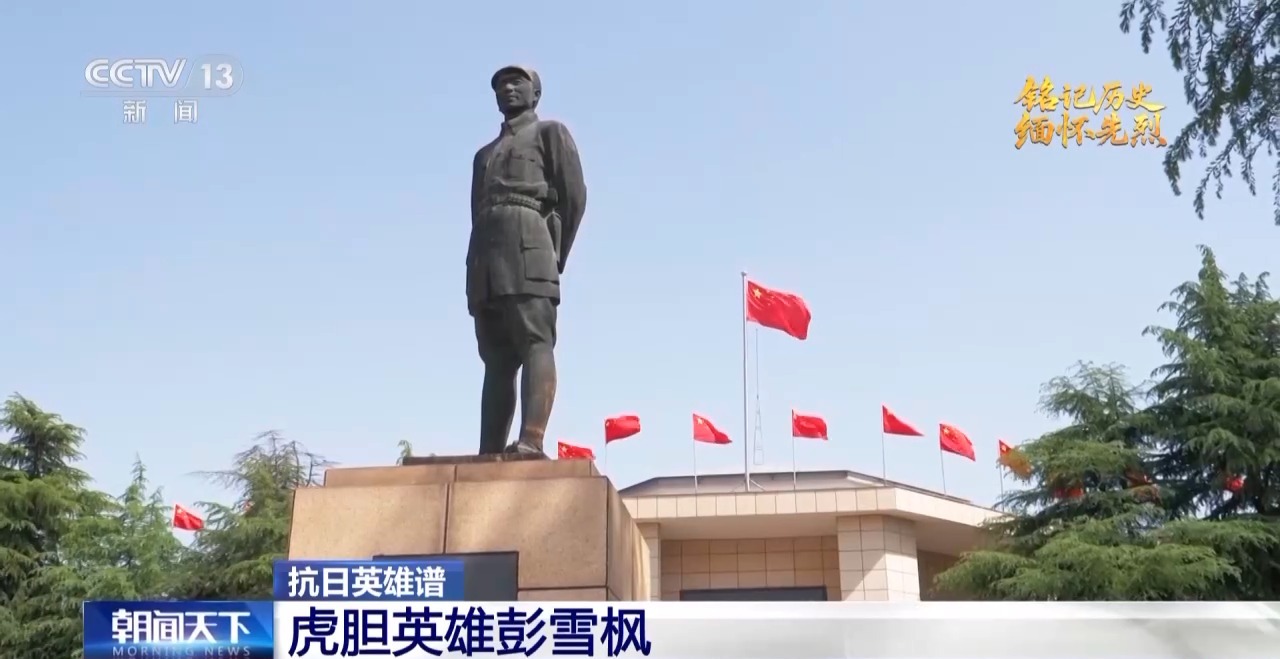
新四军7个师,哪个师的战斗力最强?师长均为大将级别
Sou Hu Cai Jing· 2025-05-23 05:44
Core Viewpoint - The reconstruction of the New Fourth Army in January 1941 marked a significant organizational change, increasing its divisions from 6 to 7 while maintaining a similar troop strength of approximately 90,000 [1][5]. Group 1: Organizational Changes - Before reconstruction, the New Fourth Army had a total strength of 88,000, which increased to about 90,000 after the restructuring [1]. - The army's structure changed from 6 detachments to 7 divisions, indicating a strategic shift in military organization [1]. - The leadership transition involved notable figures such as Ye Ting as the commander and Xiang Ying as the deputy commander, with a new command structure established [3]. Group 2: Initial Composition and Challenges - Initially, the New Fourth Army comprised 4 detachments with a total of approximately 10,800 troops, facing challenges due to internal strife and external pressures [3][5]. - The 4th detachment faced a split due to the death of its commander, leading to the formation of the 5th detachment, which was later commanded by Luo Binghui [5]. - The army faced significant challenges from enemy forces, particularly during the conflicts in Anhui, which necessitated support from the Eighth Route Army [5]. Group 3: Performance of Divisions - The 1st Division, under the command of Cu Yu, demonstrated exceptional performance in key battles such as the Weigang ambush and the Huangqiao decisive battle, showcasing its combat effectiveness [6][8]. - The 2nd Division, while not as strong as the 1st, still exhibited resilience during confrontations, particularly against attacks from enemy forces [10]. - The 3rd Division ranked second in combat effectiveness, benefiting from the integration of troops from the Eighth Route Army and strong leadership [12]. Group 4: Leadership and Strategy - Leadership within the divisions played a crucial role, with commanders like Cu Yu and Peng Xuefeng emphasizing both military strategy and political work to enhance combat readiness [8][15]. - The 4th Division, led by Peng Xuefeng, was noted for its innovative tactics and cultural work, contributing to its reputation within the New Fourth Army [15]. - The 5th Division, while lacking top-tier commanders, had significant territorial advantages post-war, indicating potential for future development [14].