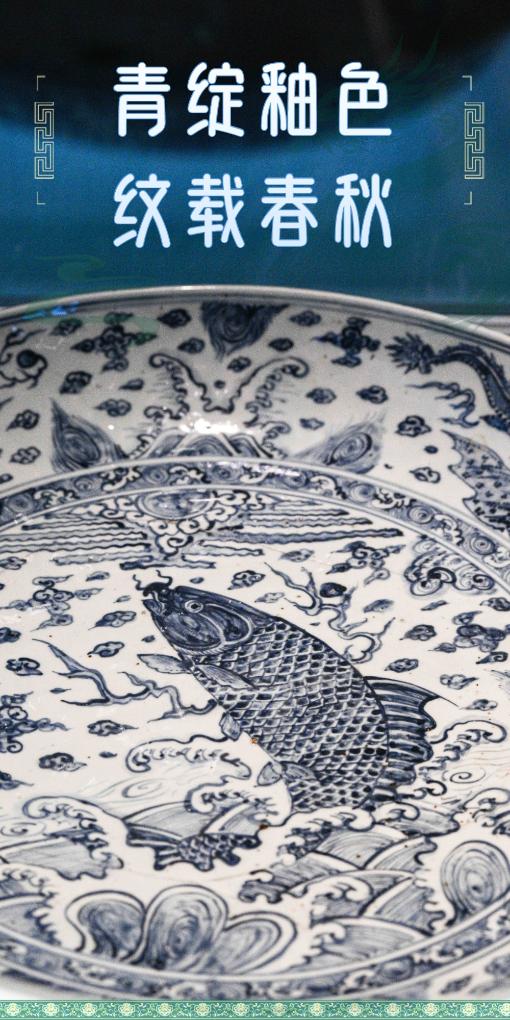
青花瓷器

Search documents
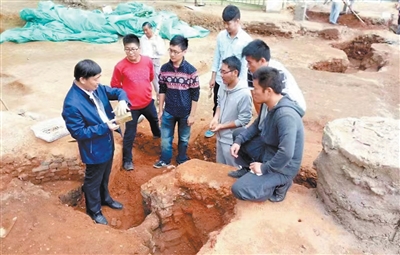
“陶瓷是我们了解历史的载体”(赓续历史文脉)
Ren Min Ri Bao· 2025-12-01 22:11
Core Insights - The article highlights the significant contributions of Jiang Jianxin to the study and preservation of Jingdezhen's imperial kiln history and Chinese ceramic culture over the past 40 years [2][3][4]. Group 1: Historical Significance - Jingdezhen's imperial kiln, established in 1369, is noted as one of the longest-running and largest official kilns in China, producing over 90% of the ceramics currently housed in the Forbidden City [4]. - The discovery of numerous ceramic fragments during urban construction in 1979 led to extensive archaeological efforts, revealing that many of these fragments were from imperial kiln products that were destroyed to maintain quality control [3][4]. Group 2: Research and Restoration Efforts - Jiang Jianxin's team successfully reconstructed six Ming Dynasty duck-shaped incense burners from over 60 selected fragments, showcasing the importance of ceramics as historical artifacts [6]. - The collaboration between the Jingdezhen Imperial Kiln Museum and the Palace Museum resulted in the restoration of these artifacts, emphasizing the integration of archaeological findings with historical literature [6][7]. Group 3: Cultural Exchange and Education - Jiang Jianxin organized numerous exhibitions, including a comparative exhibition of Ming Dynasty imperial ceramics at the Palace Museum, which attracted scholars and collectors, enhancing the understanding of ceramic culture [7][8]. - The article discusses the importance of nurturing young scholars in ceramic archaeology, with Jiang Jianxin mentoring students who are now leading research efforts and developing cultural products based on historical artifacts [9][10]. Group 4: Global Influence of Chinese Ceramics - The article notes that Chinese ceramics were not only significant in ancient trade but also served as cultural carriers, influencing pottery production in places like Delft, Netherlands [8]. - Jiang Jianxin's work includes writing a book on the global impact of Chinese export ceramics, highlighting their role in cultural and economic exchanges [10].

百闻不如一见|青绽釉色 纹载春秋——海丝青花解码东方文脉
Xin Hua She· 2025-07-15 04:04
Core Viewpoint - The article highlights the significance of traditional Chinese porcelain, particularly blue and white porcelain, and its intricate designs that reflect cultural narratives and historical contexts [2][12]. Group 1: Historical Context - The "North Slope No. 1" shipwreck, dating back to the Ming Dynasty's Zhengde period, revealed a high proportion of blue and white porcelain, showcasing the artistic styles of that era [2][4]. - The article discusses the popularity of the "Yinglong" (应龙) motif during the Ming Dynasty, symbolizing prosperity and success, which was favored by British aristocrats in the 18th century [4]. Group 2: Cultural Significance - Various motifs such as the "Qilin" (麒麟) and "Lion" (狮子) are explored, emphasizing their roles as auspicious symbols in Chinese culture, with the Qilin being a traditional motif widely used in blue and white porcelain [6][8]. - The "Peony" (牡丹) is highlighted as a symbol of prosperity and is often paired with other auspicious symbols, reflecting the influence of Chinese aesthetics on European art during the Qing Dynasty [10]. Group 3: Artistic Expression - The article notes the presence of human figures in the porcelain designs, depicting stories and cultural narratives, such as the Eight Immortals, which were commonly represented in Ming and Qing blue and white porcelain [12]. - The intricate designs and motifs serve as a medium for conveying the depth of Eastern civilization and its artistic heritage, inviting exploration of the cultural narratives embedded within the porcelain [12].