香精油

Search documents
控制摊放高度温度预贮3-4天,能有效增加柑橘保鲜时间
Nan Fang Nong Cun Bao· 2026-01-26 09:00
Core Insights - The article discusses the importance of post-harvest preservation techniques for citrus fruits and edible fungi, emphasizing the need for improved quality control to prevent economic losses due to spoilage and degradation. Group 1: Citrus Preservation Techniques - Citrus fruits have strict environmental requirements for preservation, including sensitivity to temperature, humidity, and gas composition, which affects their storage life and quality [5] - Effective orchard management, careful harvesting, and appropriate storage conditions are essential to prevent pathogen growth and maintain fruit quality [5] - The recommended harvesting times for different citrus varieties are: early maturing types around late August, early maturing oranges in early November, mid-maturing types from mid-November to late December, and late maturing types from early January to late June [6][5] - Pre-storage treatments such as washing and using preservatives can extend the storage period, with ideal pre-storage conditions being 6°C-8°C and 75% relative humidity [6] Group 2: Preservation Technologies - Common preservation technologies for citrus include low-temperature storage, modified atmosphere storage, waxing, irradiation, and the use of antimicrobial agents [7] - New preservation methods developed include self-regulating gas preservation bags and various types of preservation packaging [7] - Citrus processing can yield over 1,000 products, with orange juice being the most significant, followed by canned fruit, candied products, and alcoholic beverages [7] Group 3: Edible Fungi Preservation - Maintaining the vitality of edible fungi is crucial for their storage life and disease resistance, achieved by reducing respiration and transpiration rates [8] - Pre-cooling, packaging, and modified atmosphere storage are effective methods for preserving fresh edible fungi [9] - The recommended storage temperature for edible fungi is between 0°C-4°C, with relative humidity levels of 80%-90% [9] Group 4: Packaging and Processing - Packaging methods such as "moisture-regulating bags + high-performance absorbent materials + insulated boxes" can maintain the quality of mushrooms during transportation [11] - Various processing techniques for edible fungi include drying, salting, and canning, which enhance their nutritional value and marketability [14]

2025年中国柑桔深加工行业产业链全景、发展现状、竞争格局及未来趋势研判:产业集群效应凸显,深加工规模持续扩大[图]
Chan Ye Xin Xi Wang· 2025-07-17 01:11
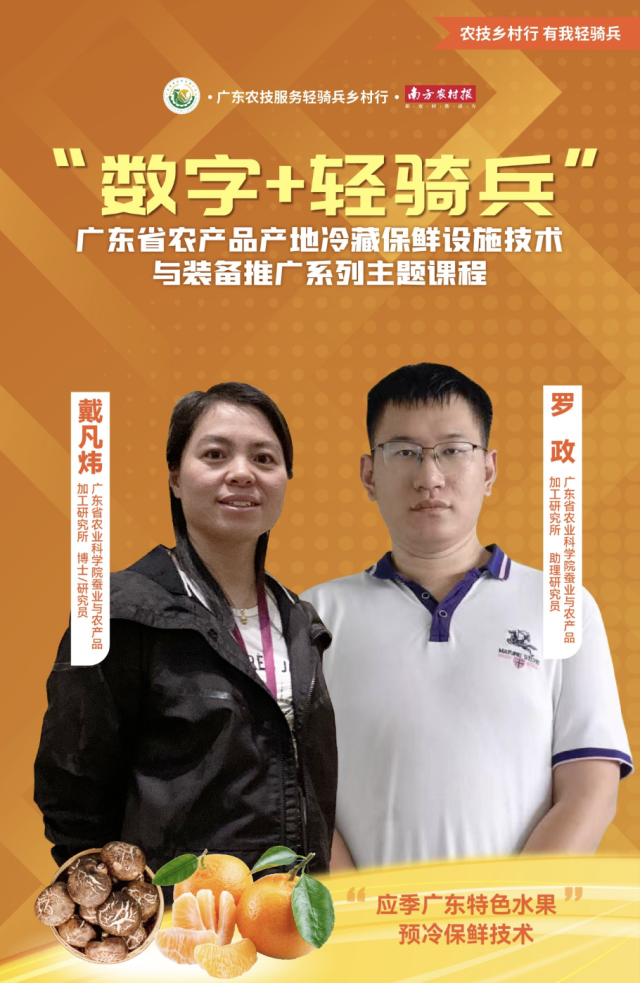
Core Insights - The core viewpoint of the article emphasizes the robust growth and potential of the citrus deep processing industry in China, driven by increasing production and innovation in high-value products [1][6][10]. Group 1: Overview of Citrus Deep Processing - Citrus deep processing refers to the refined treatment of citrus fruits (such as oranges, grapefruits, and lemons) through physical, chemical, or biological methods to transform them into high-value products [2]. - The main product categories include food products (juices, jams, canned goods), chemical extracts (essential oils, pectin), biological products (fruit wines, enzymes), and by-product utilization (feed, organic fertilizers) [2]. Group 2: Industry Chain of Citrus Deep Processing - The industry chain is characterized by a collaborative structure: stable upstream supply, quality enhancement in midstream processing, and market expansion downstream [4]. - Upstream focuses on large-scale planting in major production areas like Guangxi and Hunan, ensuring stable raw material supply through standardized management and new variety cultivation [4]. - Midstream emphasizes technological innovation in deep processing, achieving over 80% comprehensive utilization of by-products [4]. - Downstream involves building a multi-channel sales network, leveraging e-commerce and retail to meet consumer demands [4]. Group 3: Current Development Status - China is a major citrus producer, with a total output of 67.9149 million tons in 2024, reflecting a 5.56% increase from the previous year [6][8]. - The agricultural output value has grown from 148.49 billion yuan in 2018 to 233.88 billion yuan in 2024, with a compound annual growth rate of 7.8% [10]. - The industry exhibits regional concentration, with Guangxi, Hunan, Sichuan, Guangdong, and Jiangxi contributing over 70% of the total output [8]. Group 4: Market Structure and Competition - The citrus deep processing industry has developed a diversified market structure, with juice processing as the leading segment, projected to reach a market size of approximately 14 billion yuan in 2024 [12][14]. - Major players like Huiyuan Juice and Nongfu Spring dominate the market, while regional leaders focus on niche segments [14][16]. - The competition is shifting from price wars to a focus on technology, brand, and service, with high-value processed products becoming the focal point [14]. Group 5: Future Development Trends - The industry is expected to focus on three main trends: innovation in high-value products, smart and green transformation, and internationalization of industry clusters [18][20]. - High-value products such as NFC juice and functional beverages are anticipated to drive growth, with the production capacity of NFC orange juice in Chongqing expected to reach 200,000 tons by 2025 [18][20]. - Technological advancements and smart production systems are crucial for industry transformation, with a goal to increase resource utilization rates significantly by 2030 [20]. - Regional clusters and international branding will reshape the competitive landscape, with support from policies enhancing the integration of the entire industry chain [21].