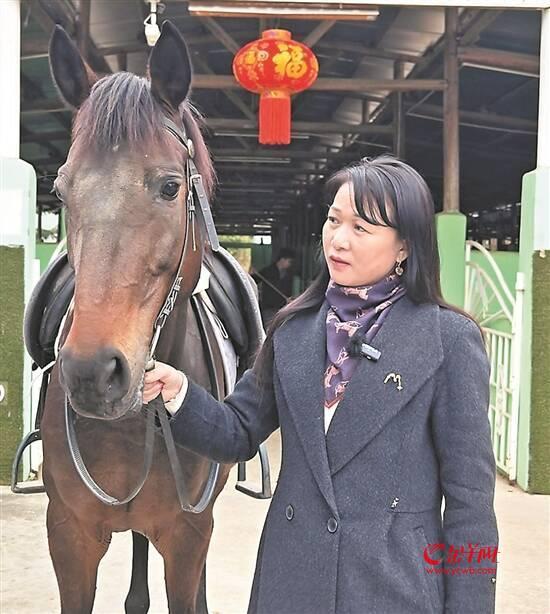
骑马体验

Search documents
【2026新春走基层】在马蹄声声里,迎接马年春天
Xin Lang Cai Jing· 2026-02-19 01:27
Core Insights - The article highlights the development opportunities for equestrian tourism projects in Guangdong, particularly in the context of the upcoming Year of the Horse, emphasizing the integration of equestrian sports with forest landscapes [2] Group 1: Equestrian Facility Overview - Yusheng International Equestrian Manor, located in Huadu District, Guangzhou, is the first tourism destination combining equestrian sports with forest scenery [2] - The facility can accommodate up to 64 horses, currently housing 12, and emphasizes health and safety protocols for both horses and visitors [2] - The manager, Peng Hua, provides insights into the various horse breeds and their characteristics, showcasing the facility's commitment to educating visitors [2] Group 2: Daily Operations and Care - Horse care at Yusheng involves extensive daily routines, including feeding, cleaning, and bathing, which require significant manpower and resources [3] - Training a horse for riding involves a rigorous process, taking at least three months to ensure the horse is well-adjusted to various stimuli [3] - Peng Hua emphasizes the importance of treating horses with the same care as humans, sharing a personal story of successfully rehabilitating a horse with severe eye issues [3] Group 3: Industry Challenges and Innovations - Peng Hua transitioned from a jewelry business to equestrian management, facing challenges due to a lack of local expertise in the equestrian industry [4] - The concept of "three-industry integration" is introduced as a solution to the challenges of high investment and low output in the equestrian sector, aiming to combine agriculture, culture, and tourism [4] - The arrival of the Year of the Horse presents an opportunity to promote horse culture, encouraging more people to engage with horses through various activities [4]

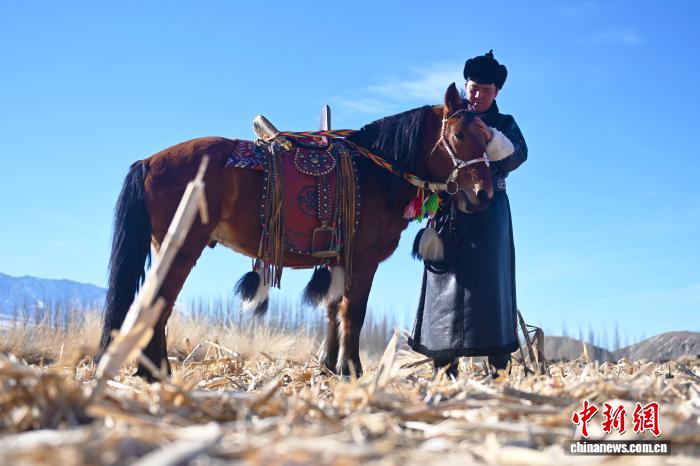
(新春走基层)肃北马背上的新牧人:青春接力,从草原到文旅融合
Zhong Guo Xin Wen Wang· 2026-01-28 05:46
Core Viewpoint - The article highlights the transformation of the horse industry in Su Bei County, Gansu Province, where young herders are integrating traditional horse culture with modern tourism and sports, creating new economic opportunities and preserving cultural heritage [1][4]. Group 1: Youth Engagement in Horse Culture - The 24-year-old herder, Qiu Kou, has been involved with horses for 19 years, evolving from a rider to a horse trainer, emphasizing the importance of horses in Mongolian culture as essential companions and livelihood partners [1][3]. - Qiu Kou's family currently raises over 60 horses for breeding and competitions, showcasing a shift from traditional herding to a more diversified horse industry [4]. Group 2: Economic Development through Cultural Integration - Su Bei County is leveraging its unique resources by combining sports, tourism, and culture, promoting events that connect the vastness of the grasslands with rich cultural experiences [4]. - The local tourism strategy includes immersive experiences that educate visitors about Mongolian customs, cuisine, and horse culture, enhancing the region's appeal as a tourist destination [4]. Group 3: Community and Economic Impact - The local herder, Xin Jun, who holds multiple roles in the horse industry, reports a significant increase in income from horse-related activities, now reaching 300,000 to 400,000 yuan annually, compared to 30,000 to 40,000 yuan previously [6]. - The community is witnessing a growing interest among young people in horse culture, with hopes for more new herders to return and contribute to the preservation and innovation of Mongolian horse culture [6][4].