高汤

Search documents
过年的“四大金刚”
Xin Lang Cai Jing· 2026-02-15 07:28
Group 1 - The article describes the preparation for the Chinese New Year, focusing on the "Four Great Treasures" essential for cooking during the festive season [1][2] - The first item, a large steel pot, is used to prepare a rich broth that will be utilized for various dishes during the New Year celebrations [1] - The second item, a stone mortar, is employed to grind roasted black sesame seeds into a fine powder, which is then mixed with pork lard and sugar to create a filling for traditional dumplings [1][2] Group 2 - The stone mill, referred to as "external assistance," is borrowed annually and involves family members working together to produce rice flour for dumplings [2] - The aluminum ladle is used for making egg dumplings, which are a favorite treat during the preparation process, highlighting the family tradition and enjoyment of cooking [2] - The article concludes with the successful completion of the New Year preparations, emphasizing the joy and satisfaction derived from the cooking process and the appreciation from guests [3]
日本老字号玉之井醋设合资公司再闯中国市场
日经中文网· 2025-11-29 00:33
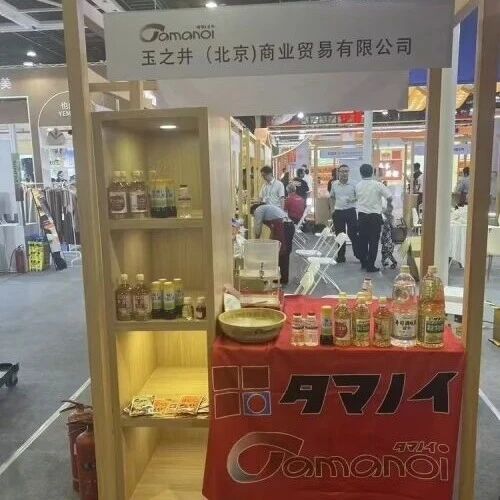
Core Viewpoint - Tamanoi Vinegar, a long-established Japanese vinegar manufacturer, is expanding its sales of vinegar-related products in China through a joint venture with Dalian Tianpeng Food, aiming to develop products that cater to local consumer preferences and leverage existing distribution networks [1][4]. Group 1: Joint Venture and Market Strategy - Tamanoi Vinegar has established a joint venture named "Tamanoi (Beijing) Trading" with Dalian Tianpeng Food, which specializes in mustard and soy sauce production, with a registered capital of 170,000 yuan [4]. - The joint venture aims to utilize Dalian Tianpeng's extensive wholesale and supermarket networks across China to enhance Tamanoi's market presence, which previously lacked direct sales channels [4]. - The company plans to develop not only vinegar but also related products such as dashi (Japanese soup stock), sauces, and other condiments tailored to Chinese consumer tastes [4]. Group 2: Market Context and Historical Performance - The majority of vinegar in the Chinese market is made from glutinous rice, but there is a growing interest in Japanese rice-based vinegar due to the rising popularity of Japanese cuisine [4]. - Tamanoi Vinegar previously attempted to enter the Chinese market with a wholly-owned sales company but withdrew due to poor sales performance attributed to cultural differences in business practices [4]. - Currently, overseas sales account for 5% of Tamanoi's total revenue, primarily from Europe, the United States, and Australia, with a goal to increase this to 10% within five years by expanding into the Chinese and Southeast Asian markets [4]. Group 3: Company Background - Founded in 1907, Tamanoi Vinegar is a well-established brand in Japan, with estimated sales of around 7.5 billion yen, making it the second-largest player in the Japanese vinegar market after Mizkan and Kewpie [5].