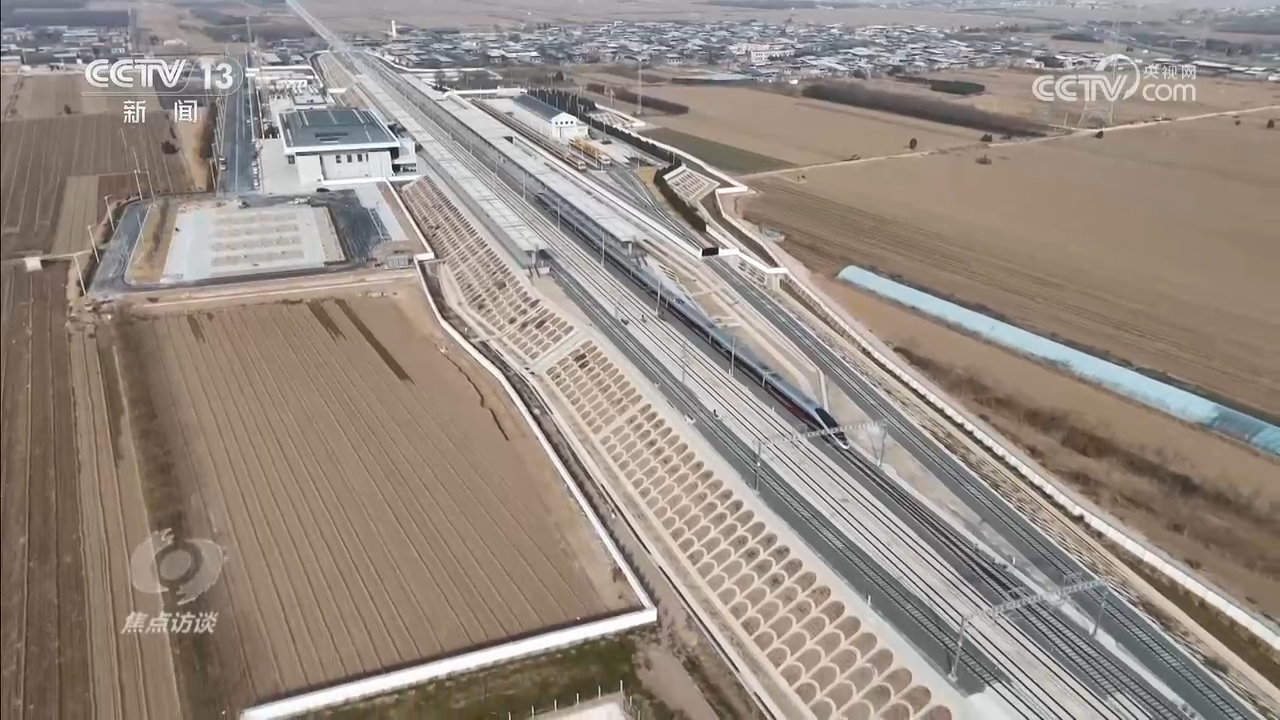
高铁出行套餐

Search documents
元旦假期陕西文旅市场供给丰富
Shan Xi Ri Bao· 2026-01-04 00:35
Core Insights - The New Year's holiday in Shaanxi featured a variety of activities, with Xi'an being listed among the top ten popular destinations nationwide according to Ctrip's travel report [1][2] - The opening of the Xi'an to Yan'an high-speed railway has significantly increased tourist traffic to local attractions, leading to the introduction of "high-speed travel packages" [3][4] Group 1: Tourism Activities - Xi'an hosted the "Chang'an Lantern Festival" and various themed performances that attracted many visitors [1] - The fifth Ice Waterfall Festival at the Yellow River Hukou Scenic Area welcomed the New Year with stunning ice formations [2] - Copper City launched three premium tourism routes and over 30 activities centered around winter sports and family experiences [2] Group 2: Visitor Statistics and Trends - Ctrip reported that the top five popular attractions in Xi'an during the holiday were the Terracotta Army Museum, Shaanxi History Museum, Xi'an City Wall, Datang Ever Bright City, and Huaqing Palace [2] - The opening of the Xi'an to Yan'an high-speed railway has led to a significant increase in daily visitor numbers at the Hukou Waterfall Scenic Area [4] - The integration of red tourism, hot springs, and folk festivals in areas like Xianyang and Baoji has created a complementary tourism product matrix with Xi'an [4]
在跨年消费中 读懂中国经济的活力与温度
Xin Lang Cai Jing· 2026-01-03 01:43
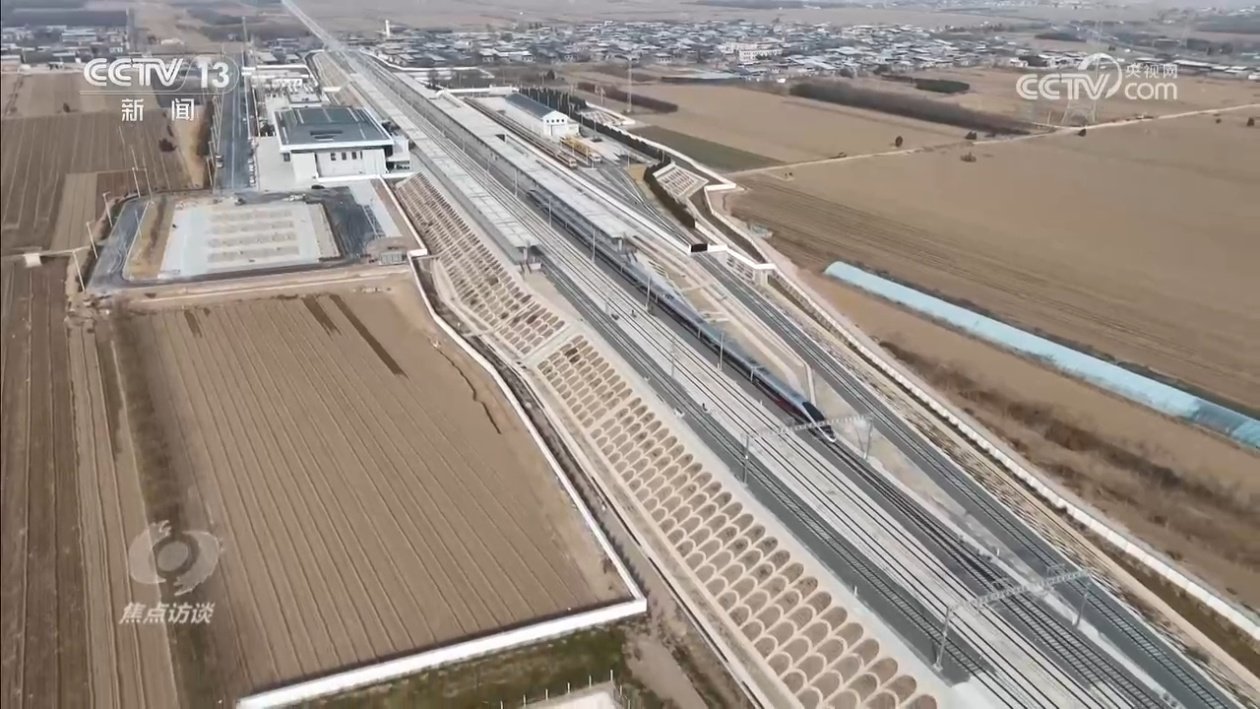
Core Viewpoint - The article highlights the transformation of New Year's celebrations in China into a vibrant consumer experience, reflecting the country's economic vitality and the evolving nature of consumer preferences towards more meaningful and immersive experiences [1][25]. Group 1: Economic Impact of High-Speed Rail - The opening of the Xiyan High-Speed Railway on December 26, 2025, marked a significant milestone as China's high-speed rail network surpassed 50,000 kilometers, enhancing connectivity and reducing travel time between cities [3]. - The Xiyan High-Speed Railway, spanning 299 kilometers, connects Xi'an, Tongchuan, and Yan'an, cutting travel time from several hours to as little as 68 minutes, thus redefining travel convenience [3]. - Following the railway's launch, the Hukou Waterfall scenic area experienced a 165% increase in daily visitor numbers, showcasing the economic benefits of improved transportation [5]. Group 2: Cultural and Experiential Consumption - Over 40 museums in Beijing extended their hours on New Year's Eve, providing a unique cultural experience that emphasizes the growing demand for spiritual and intellectual engagement in consumer activities [8]. - In Kaifeng, visitors engage in immersive experiences by renting traditional Hanfu and participating in historical reenactments, indicating a shift towards interactive and participatory tourism [12][14]. - The "Clear River and Song Feast" event combines dining with performance and technology, allowing guests to experience the culture of the Song Dynasty, reflecting a trend towards experiential dining [15]. Group 3: Diverse Consumer Experiences - The New Year's celebrations included synchronized events across historical sites in Nanchang, Wuhan, and Yueyang, demonstrating the use of technology to create a shared cultural experience across regions [19]. - In Longtai District, a low-cost meal voucher offers a deep connection to local culture and community, highlighting the value of authentic, localized experiences in consumer spending [21]. - Tourists in Hainan engaged in a "travel + learning" format, blending leisure with educational experiences, which represents a new trend in consumer preferences towards personal growth and intellectual engagement [23]. Group 4: Overall Consumer Trends - The article illustrates a shift in consumer behavior from mere transactions to experiences that foster emotional connections, cultural identity, and personal fulfillment, indicating a deeper integration of consumption into the fabric of everyday life [25]. - The diverse range of New Year's activities reflects a robust and dynamic Chinese consumer market, characterized by a strong desire for personalized and multi-dimensional experiences [25].

焦点访谈|在跨年消费中 读懂中国经济的活力与温度
Yang Shi Wang· 2026-01-02 13:20
Core Viewpoint - The article highlights the evolving nature of New Year's celebrations in China, emphasizing the shift towards experiential and cultural consumption, reflecting a deeper connection to personal and collective identity [1]. Group 1: Economic Impact of High-Speed Rail - The opening of the Xiyan High-Speed Railway on December 26, 2025, marked a significant milestone as China's high-speed rail network surpassed 50,000 kilometers [3]. - The Xiyan High-Speed Railway, spanning 299 kilometers, connects Xi'an, Tongchuan, and Yan'an, reducing travel time from several hours to as little as 68 minutes [3]. - Following the railway's launch, the Hukou Waterfall scenic area experienced a 165% increase in daily visitor numbers, showcasing the economic benefits of improved transportation [5]. Group 2: Cultural and Experiential Consumption - Over 40 museums in Beijing extended their hours on New Year's Eve, providing a unique cultural experience that enhances the celebratory atmosphere [8]. - The immersive experience at Kaifeng's Qingming Riverside Garden allows visitors to engage with Song Dynasty culture, transforming traditional tourism into interactive consumption [12][14]. - The article notes a trend towards "spiritual consumption," where individuals seek knowledge and emotional experiences rather than just material goods, indicating a shift in consumer preferences [10][16]. Group 3: Diverse Consumption Experiences - Events like the synchronized New Year's celebration across three historic towers in Nanchang, Wuhan, and Yueyang illustrate the blending of technology and culture, creating a sense of shared experience across distances [18]. - In Hainan, tourists engage in a "travel + learning" model, combining leisure with intellectual growth, reflecting a new choice in consumption patterns [22]. - The article emphasizes the multifaceted nature of New Year's consumption, from regional travel to cultural immersion, catering to diverse consumer needs and preferences [24].