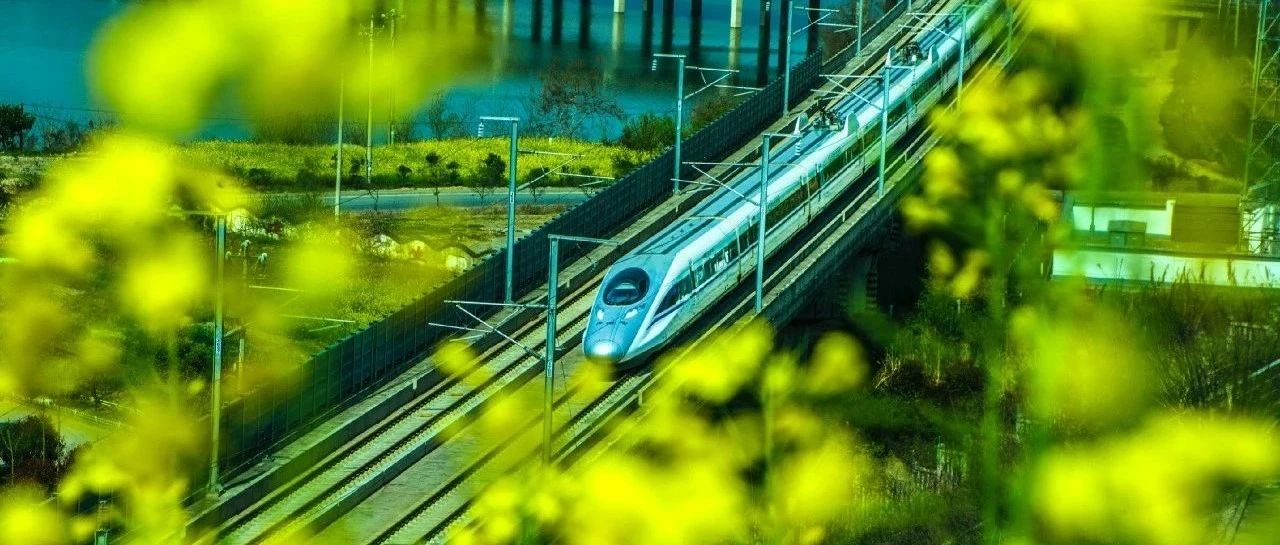
高铁旅游专列

Search documents
江苏:文旅融合“百业兴”
Zhong Guo Jin Rong Xin Xi Wang· 2025-08-26 06:52
Core Viewpoint - The integration of culture and tourism in Jiangsu is advancing significantly, with innovative tourism models and a focus on enhancing visitor experiences through various cultural elements [1][2][3][4][5][6] Group 1: Cultural and Tourism Integration - Jiangsu has initiated the "Unlimited Space Intangible Cultural Heritage into Scenic Areas" program, recognizing 32 provincial demonstration projects to enhance visitor engagement with local culture [1] - The province has introduced the first national guidelines for small theater construction, integrating performing arts into tourism, with several projects recognized as tourism performance excellence [1] - Recent events attracted nearly 2.1 million visitors across 13 cities, generating over 11 million yuan in cultural product sales [2] Group 2: Industrial and Agricultural Integration - Jiangsu is leveraging its manufacturing strengths to create a modern cultural tourism ecosystem, with 6 national industrial tourism demonstration bases and 142 provincial industrial tourism zones [3] - The province's agricultural sector is also being integrated with culture and tourism, with over 400 million visitors and 114.4 billion yuan in revenue from leisure agriculture in 2024 [3] Group 3: Transportation and Tourism Synergy - Jiangsu has launched high-speed rail tourism trains and established the first RV camping site at a highway service area, enhancing travel experiences [4] - The province is developing a comprehensive RV camping service system, combining various travel modes [4] Group 4: Business and Event Integration - Jiangsu promotes the integration of business events with tourism, successfully hosting the Grand Canal Cultural Tourism Expo, attracting over 886,000 attendees [5] - Various high-profile exhibitions and cultural festivals are being organized to enhance tourism and cultural engagement [6] Group 5: Sports and Tourism Interaction - The "Su Super" initiative has become a platform for integrating sports events with tourism, significantly boosting local tourism during event periods [6] - Regional collaborations are being explored to enhance tourism experiences for event attendees, such as free entry to attractions for ticket holders [6]
香港“高铁团”来了
经济观察报· 2025-05-08 09:24
Core Insights - The article highlights the increasing popularity of high-speed rail travel among Hong Kong residents, leading to an expansion of their travel radius into mainland China [1][4]. Group 1: Travel Trends - During the "May Day" holiday from April 30 to May 4, approximately 579,000 travelers took high-speed trains from Hong Kong to Hunan, marking a 90% year-on-year increase in travelers from Hong Kong West Kowloon Station [2]. - In the first quarter of 2025, Hunan received 48,400 visitors from Hong Kong and Macau, accounting for 31.9% of total inbound tourists, representing a 201.57% year-on-year growth [3][12]. - High-speed rail travel is becoming a preferred mode of transportation, with a significant number of organized "high-speed rail groups" emerging, particularly to destinations like Hunan and Guangdong [6][7]. Group 2: Market Dynamics - The number of high-speed rail destinations accessible from Hong Kong has increased, making travel more convenient and appealing [7]. - In the first four months of this year, cross-border passenger flow on the Guangzhou-Shenzhen-Hong Kong high-speed rail reached 10.1754 million, a 14.77% increase year-on-year, setting a new record [7]. - The tourism company has reported that Hong Kong visitors constitute about half of their inbound tourism clientele, indicating a strong market for high-speed rail tourism [8]. Group 3: Consumer Behavior - The article notes a shift in the travel preferences of Hong Kong residents, with many opting for mainland destinations over traditional locations like Japan and Taiwan [10][12]. - A survey indicates that by 2025, 70% of Hong Kong travelers will visit cities outside the Greater Bay Area, with popular destinations including Changsha and Hangzhou [12]. - The younger generation in Hong Kong is increasingly familiar with mainland travel, influenced by family connections and educational experiences [13].