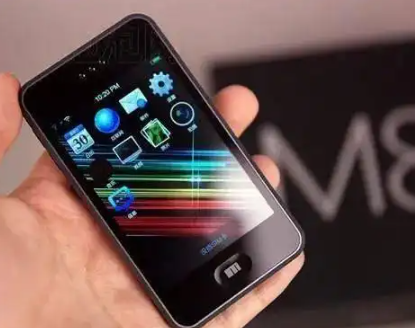
魅族M9

Search documents
魅族手机或退市!大量欠款被曝成坏账,创始人曾被称为“中国乔布斯”
Xin Lang Cai Jing· 2026-02-26 00:22
Core Viewpoint - The Meizu mobile business is reportedly ceasing operations and is expected to officially delist by March 2026, with significant financial difficulties leading to potential bankruptcy [1][6]. Group 1: Business Operations - Multiple sources indicate that Meizu's mobile business has effectively stopped, with plans for delisting by March 2026 [1][6]. - The FlymeAuto vehicle system will operate independently, while the Meizu brand may remain within the Geely ecosystem [1][6]. - The current employee count in the Meizu group chat is over 1,000, but many employees have resigned, and a few have transitioned to Geely's Zeekr automotive division [1][6]. Group 2: Financial Issues - Since April of the previous year, many suppliers have faced payment issues with Meizu, leading to significant outstanding debts that are now classified as bad debts [1][6]. - Insiders suggest that the likelihood of Meizu filing for bankruptcy is high due to these financial troubles [1][6]. Group 3: Historical Context - Meizu was a pioneer in the domestic smartphone market, with the launch of the M8 in February 2009 marking the debut of the first domestic brand smartphone [2][9]. - The M8 achieved over 500 million yuan in sales within five months of its release [9]. - The M9, released in January 2011, generated significant consumer interest, with long queues on launch day, and was compared to the iPhone 4 in terms of popularity [9].

“消失”的10大国产手机品牌
创业邦· 2025-09-10 10:31
Core Viewpoint - The article discusses the evolution and decline of various Chinese mobile phone brands, highlighting the competitive landscape and the challenges faced by companies like Waveguide, Gionee, and Meitu, while also emphasizing the rise of new leaders in the industry. Group 1: Market Dynamics - Huawei and Apple are in direct competition, with Huawei's Mate XT and Apple's iPhone 17 series launching in September [6][10] - The latest IDC report indicates that by Q2 2025, Huawei is expected to regain the top position in the domestic market with an 18.1% share, followed closely by Vivo and OPPO [9][10] - The combined market share of Huawei, Xiaomi, OPPO, and Vivo accounts for approximately 66% of the Chinese smartphone market, indicating a strong domestic presence [10] Group 2: Historical Context - Over the past 20 years, more than 87 mobile phone brands have disappeared in China, with a survival rate of less than 15% [11] - Waveguide was the first Chinese brand to gain significant market share in the feature phone era, achieving sales of 700,000 units in 2000 and becoming the top domestic brand for four consecutive years [19] - The launch of the first iPhone in 2007 marked a significant shift in the mobile phone industry, leading to the decline of feature phone giants like Nokia [21][23] Group 3: Brand Decline - Gionee, once a leader in the market, faced a decline due to late entry into the smartphone segment and poor product reception, leading to its eventual bankruptcy in 2018 [27][28] - Meitu and Douwai targeted the female market but failed to maintain their competitive edge as other brands improved their camera technology and overall value [30][37] - The entry of cross-industry players like Haier and Gree into the smartphone market was marked by poor performance and eventual exit due to lack of market presence [40][41] Group 4: Lessons Learned - The article emphasizes that successful marketing and distribution strategies alone are insufficient; companies must also focus on technology and innovation to survive in the competitive landscape [28][49] - The experiences of brands like Meizu and Smartisan illustrate the risks of prioritizing product aesthetics over market demands and operational capabilities [50][57] - The evolution of the smartphone industry in China reflects a shift from following global trends to establishing new standards and innovations [66][67]