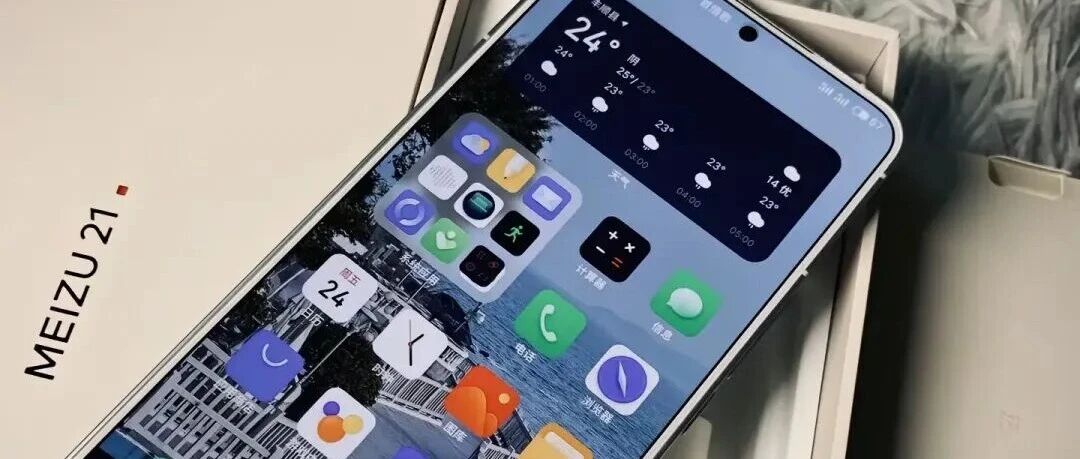
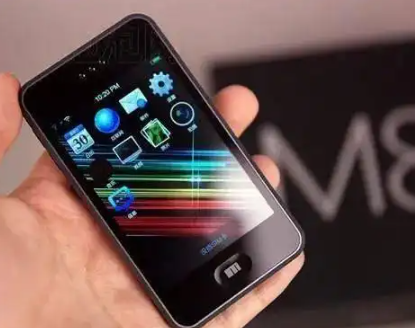
魅族M8

Search documents
裁员超50%,每卖一台亏1255元:二十余载沉浮,“国产机皇”还是倒下了
商业洞察· 2026-03-26 09:30
Core Viewpoint - Meizu has announced a strategic shift to focus on the Flyme ecosystem, pausing domestic smartphone development, which reflects the company's decline in the competitive smartphone market [3][5]. Group 1: Company History and Evolution - Meizu was founded in 2003 by Huang Zhang, initially gaining success with MP3 players before transitioning to smartphones with the launch of the M8 in 2009, which became a significant market hit [8][9]. - The M8's success led to a strong brand identity, but internal conflicts and missed opportunities, such as rejecting investment from Lei Jun, contributed to its decline as competitors like Xiaomi emerged [12][14]. Group 2: Market Performance and Challenges - By 2025, Meizu's smartphone shipments are projected to drop to approximately 980,000 units, a staggering decline of over 95% from its peak of 20 million units, resulting in a market share of only 1.27% in a market with nearly 300 million annual shipments [5][6]. - The company's hardware business is facing annual losses of 1.23 billion yuan, averaging a loss of about 1,255 yuan per device sold, indicating severe financial distress [5][6]. Group 3: Strategic Missteps - Meizu's strategic shift towards a broader product range in response to competition led to a dilution of brand identity and a failure to meet sales targets, resulting in the loss of investor support from Alibaba [19][21]. - The introduction of numerous low-end models and management instability, including frequent changes in leadership, further exacerbated the company's decline [19][21]. Group 4: Acquisition and Future Direction - In July 2022, Geely acquired a controlling stake in Meizu, intending to leverage its technology for automotive applications rather than focusing on reviving the smartphone business [24][26]. - By 2025, Meizu's market share is expected to fall below 0.1%, with the company ceasing new smartphone projects and shifting focus to AI devices and IoT ecosystems [26][28].


魅族否认破产,但不出新手机了;语音助手失误致撞车,领克致歉;许家印侄子豪宅5000万被拍走;李亚鹏带货过亿,嫣然医院做电商|| 大件事
Sou Hu Cai Jing· 2026-02-27 10:51
Group 1: Meizu Technology's Strategic Shift - Meizu Technology announced the suspension of domestic smartphone hardware development projects and will seek third-party hardware partners while existing operations remain unaffected [2][5] - The company clarified that the suspension is a strategic choice to transition from hardware to AI-driven software products, focusing on the Flyme open ecosystem [5] - Meizu's smartphone business has been declining, with sales dropping to approximately 1 million units in 2025, while its automotive system, Flyme Auto, has seen significant growth with over 2.26 million units delivered [7][5] Group 2: Ctrip Group Leadership Changes - Ctrip Group announced the resignation of co-founders Fan Min and Ji Qi, with new independent directors Wu Yihong and Xiao Yang appointed [10][11] - The company reported a revenue of 62.4 billion yuan for 2025, a 17% year-on-year increase, and a net profit of 33.29 billion yuan, up 95.08% [11] - The leadership changes come amid an ongoing antitrust investigation by the State Administration for Market Regulation, with Ctrip cooperating fully [13][14] Group 3: Lynk & Co's Response to Incident - Lynk & Co addressed a recent incident where a voice command mistakenly turned off vehicle headlights, leading to a safety concern [15][19] - The company has implemented a voice control optimization update for all Lynk & Co Z20 models to prevent similar issues in the future [20] - Sales of the Lynk & Co Z20 have been declining, with January 2023 sales dropping to 504 units [21] Group 4: Evergrande Group's Legal Issues - A luxury property owned by Xu Huojian, nephew of Evergrande's chairman Xu Jiayin, was auctioned for 50.16 million yuan, amid ongoing legal troubles for the family [22][26] - The property, located in a high-end area of Guangzhou, was previously listed for 68 million yuan and is part of a larger context of legal challenges facing the Xu family [26][27] Group 5: Yanran Children's Hospital's New Venture - Yanran Children's Hospital has established an e-commerce company to address financial difficulties, with significant donations received from the public [28][29] - The hospital has completed over 11,000 surgeries for children with cleft lip and palate since its inception in 2012, but has faced operational challenges leading to rental arrears [28] - Li Yapeng, a co-founder, has successfully leveraged live streaming to raise substantial funds for the hospital, indicating a positive shift in public perception [29]

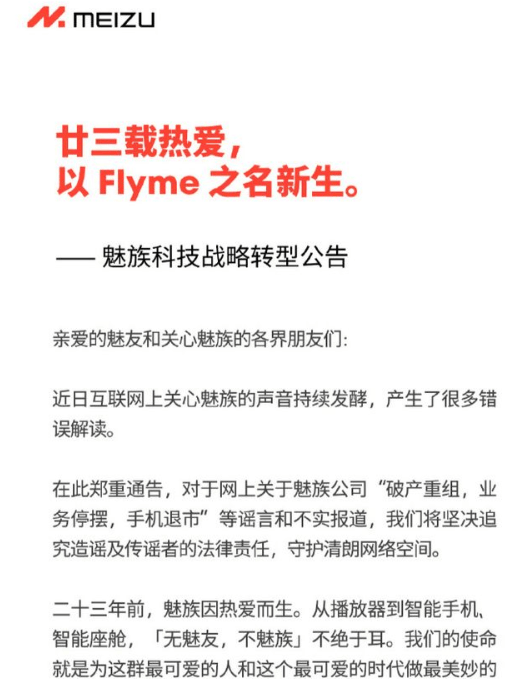
魅族出局了,手机小厂加速大逃亡
Xin Lang Cai Jing· 2026-02-27 10:11
Core Viewpoint - Meizu, once a prominent player in the smartphone market, is set to delist, marking the end of an era for the brand that once aimed to return to the top five in the domestic mid-to-high-end market within three years after being acquired by Geely's Xingji Times [2][5]. Group 1: Company Developments - Rumors of Meizu's delisting surfaced in January 2023, with the cancellation of the Meizu 22 Air launch due to rising memory prices [3][5]. - Official announcements confirmed that Meizu's mobile business has effectively ceased operations, with plans to delist by March 2026, while its FlymeAuto business will operate independently [6]. - Financial difficulties have plagued Meizu, with many suppliers unable to settle payments since April 2022, leading to significant bad debts and a likely bankruptcy application [6]. Group 2: Historical Context - Meizu was once a flagship in the domestic smartphone market, launching the Meizu M8 in 2009, which achieved sales of over 500 million yuan within five months [6]. - The company faced a pivotal moment in 2015 when it shifted from Android to Alibaba's YunOS after a significant investment, which ultimately harmed its reputation and market position [11][20]. - Following a return to Android, Meizu engaged in a patent dispute with Qualcomm, which further eroded its market share as it opted not to pay licensing fees, resulting in a reliance on less competitive chipsets [20][26]. Group 3: Market Trends - The smartphone market is experiencing rising costs, particularly in memory, which is expected to lead to price increases of up to 2000 yuan for high-storage versions [30][33]. - Smaller manufacturers are struggling to survive amid rising costs and declining market shares, with predictions of a 2.1% drop in global smartphone shipments by 2026 [33]. - The market is likely to consolidate into a few dominant players, with major brands expected to capture over 90% of the market share, signaling the end of an era where smaller brands could thrive on craftsmanship and fan loyalty [30][33].
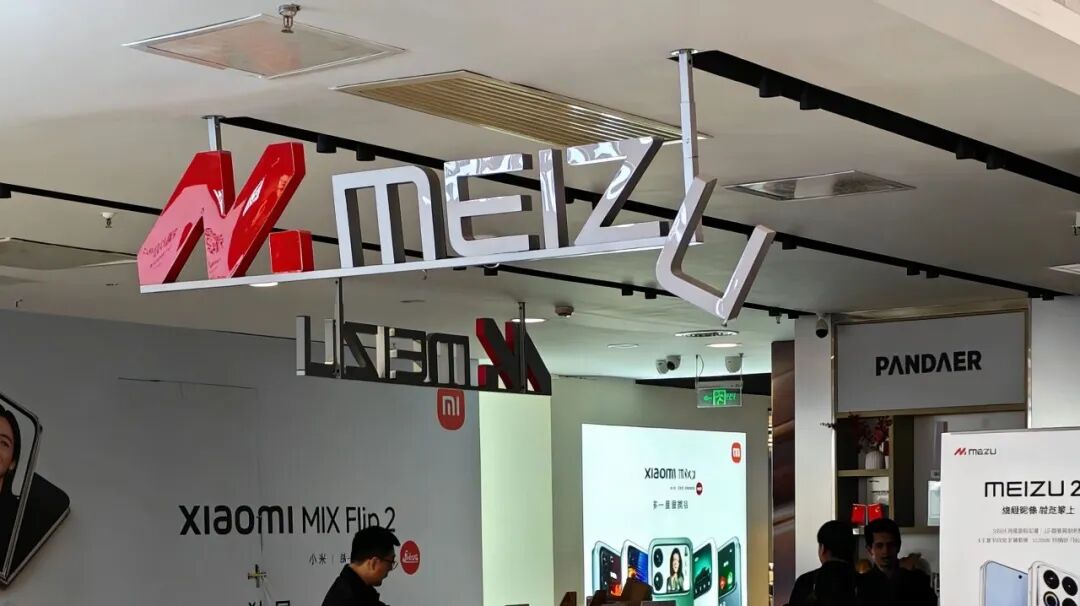
魅族手机往事:国产「教父」的陨落
3 6 Ke· 2026-02-26 15:11
Core Viewpoint - Meizu's mobile business is effectively ceasing operations, with plans for a formal exit from the market by March 2026, while its Flyme Auto business will operate independently within the Geely ecosystem [3][36]. Group 1: Company Overview - Meizu, once a prominent player in the Chinese smartphone market, is now struggling to maintain its position, with its mobile business facing significant challenges and a potential shutdown [3][36]. - The company was founded in 2006 and initially gained attention with the launch of the Meizu M8, which sold 100,000 units within two months of its release [8][9]. - Meizu's strategy focused on "design leadership," distinguishing itself from competitors like Xiaomi and Huawei, which emphasized high performance and cost-effectiveness [13][15]. Group 2: Strategic Decisions and Challenges - Meizu's decline began with strategic missteps, particularly in its operating system and supply chain decisions, leading to a loss of competitive advantage [21][54]. - The partnership with Alibaba, which required Meizu to adopt YunOS, initially provided financial stability but later limited its operational flexibility and market positioning [22][24]. - The shift to Qualcomm processors, prompted by legal pressures, resulted in increased costs and diminished Meizu's ability to compete on price, further exacerbating its market struggles [31][35]. Group 3: Market Position and Future Prospects - Despite being acquired by Geely in 2022, Meizu's market influence remains weak, with projections indicating it will not regain a significant position in the smartphone market by 2025 [38][44]. - The smartphone market is experiencing a downturn, with overall shipments expected to decline, putting additional pressure on smaller brands like Meizu [52][53]. - Meizu's attempts to re-enter the mid-to-high-end market have not materialized as planned, highlighting ongoing challenges in product competitiveness and market relevance [43][46].
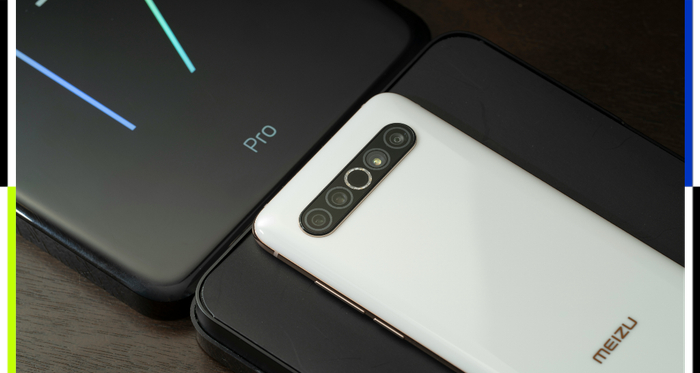
魅族手机或退市!大量欠款被曝成坏账,创始人曾被称为“中国乔布斯”
Xin Lang Cai Jing· 2026-02-26 00:22
Core Viewpoint - The Meizu mobile business is reportedly ceasing operations and is expected to officially delist by March 2026, with significant financial difficulties leading to potential bankruptcy [1][6]. Group 1: Business Operations - Multiple sources indicate that Meizu's mobile business has effectively stopped, with plans for delisting by March 2026 [1][6]. - The FlymeAuto vehicle system will operate independently, while the Meizu brand may remain within the Geely ecosystem [1][6]. - The current employee count in the Meizu group chat is over 1,000, but many employees have resigned, and a few have transitioned to Geely's Zeekr automotive division [1][6]. Group 2: Financial Issues - Since April of the previous year, many suppliers have faced payment issues with Meizu, leading to significant outstanding debts that are now classified as bad debts [1][6]. - Insiders suggest that the likelihood of Meizu filing for bankruptcy is high due to these financial troubles [1][6]. Group 3: Historical Context - Meizu was a pioneer in the domestic smartphone market, with the launch of the M8 in February 2009 marking the debut of the first domestic brand smartphone [2][9]. - The M8 achieved over 500 million yuan in sales within five months of its release [9]. - The M9, released in January 2011, generated significant consumer interest, with long queues on launch day, and was compared to the iPhone 4 in terms of popularity [9].
“消失”的10大国产手机品牌
创业邦· 2025-09-10 10:31
Core Viewpoint - The article discusses the evolution and decline of various Chinese mobile phone brands, highlighting the competitive landscape and the challenges faced by companies like Waveguide, Gionee, and Meitu, while also emphasizing the rise of new leaders in the industry. Group 1: Market Dynamics - Huawei and Apple are in direct competition, with Huawei's Mate XT and Apple's iPhone 17 series launching in September [6][10] - The latest IDC report indicates that by Q2 2025, Huawei is expected to regain the top position in the domestic market with an 18.1% share, followed closely by Vivo and OPPO [9][10] - The combined market share of Huawei, Xiaomi, OPPO, and Vivo accounts for approximately 66% of the Chinese smartphone market, indicating a strong domestic presence [10] Group 2: Historical Context - Over the past 20 years, more than 87 mobile phone brands have disappeared in China, with a survival rate of less than 15% [11] - Waveguide was the first Chinese brand to gain significant market share in the feature phone era, achieving sales of 700,000 units in 2000 and becoming the top domestic brand for four consecutive years [19] - The launch of the first iPhone in 2007 marked a significant shift in the mobile phone industry, leading to the decline of feature phone giants like Nokia [21][23] Group 3: Brand Decline - Gionee, once a leader in the market, faced a decline due to late entry into the smartphone segment and poor product reception, leading to its eventual bankruptcy in 2018 [27][28] - Meitu and Douwai targeted the female market but failed to maintain their competitive edge as other brands improved their camera technology and overall value [30][37] - The entry of cross-industry players like Haier and Gree into the smartphone market was marked by poor performance and eventual exit due to lack of market presence [40][41] Group 4: Lessons Learned - The article emphasizes that successful marketing and distribution strategies alone are insufficient; companies must also focus on technology and innovation to survive in the competitive landscape [28][49] - The experiences of brands like Meizu and Smartisan illustrate the risks of prioritizing product aesthetics over market demands and operational capabilities [50][57] - The evolution of the smartphone industry in China reflects a shift from following global trends to establishing new standards and innovations [66][67]






“消失”的10大国产手机品牌
Hu Xiu· 2025-09-06 10:57
Group 1 - The smartphone market is becoming increasingly competitive, with major players like Huawei and Apple launching new high-end devices [2][3][7] - Huawei's market share is projected to reach 18.1% by Q2 2025, reclaiming the top position in the domestic market, followed closely by Vivo and OPPO [7][8] - The combined market share of Huawei, Xiaomi, OPPO, and Vivo accounts for approximately 66% of the Chinese smartphone market, indicating a strong domestic dominance [8] Group 2 - The history of the Chinese smartphone industry has seen over 87 brands disappear, with a survival rate of less than 15% [9] - The transition from feature phones to smartphones has been marked by significant technological advancements and fierce competition among domestic brands [10][30] - The rise and fall of brands like Bird and Gionee illustrate the challenges faced by companies that failed to adapt to the smartphone era [38][37] Group 3 - Brands targeting niche markets, such as Doro and Meitu, initially gained traction but ultimately struggled to maintain their market positions due to lack of technological innovation [40][50] - The entry of cross-industry players like Haier and 360 into the smartphone market has often resulted in failure due to inadequate market understanding and execution [51][53][60] - The experiences of companies like Meizu and Smartisan highlight the importance of balancing product quality with market demands, as both faced significant challenges due to misalignment with consumer expectations [71][84] Group 4 - The evolution of the smartphone industry in China reflects a shift from marketing-driven strategies to a focus on technology and innovation [70][91] - The current landscape is characterized by a new generation of leaders aiming to redefine the rules of the smartphone market, moving away from being mere followers [92][93]
曾经的“国产机皇”,被自己人撕开了最后的体面
凤凰网财经· 2025-09-04 04:15
Core Viewpoint - The article discusses the dramatic decline of Meizu, once a leading smartphone brand in China, highlighting internal conflicts, management issues, and market challenges that have led to its current struggles [1][3][12]. Group 1: Historical Context - Meizu was once a dominant player in the smartphone market, known for its Flyme operating system and a strong fan culture, achieving significant market share [4][20]. - The company was founded by Huang Zhang in 2003 and gained fame with the release of the Meizu M8 in 2009, which sold 100,000 units in two months and generated over 500 million in sales within five months [5][20]. - By 2018, Meizu's smartphone sales plummeted to 9.48 million units, a 46% year-on-year decline, ranking it seventh in the market [18][20]. Group 2: Recent Developments - The departure of key figures, including Li Nan in 2019, marked the end of the "Three Swordsmen" era for Meizu, leading to a significant decline in its market presence [3][12]. - The recent public feud between former Flyme head Yang Yan and Meizu has raised questions about the company's internal stability and future direction [1][9]. - Meizu's new product, the Meizu 22 series, has faced multiple delays, initially scheduled for release in July but postponed to September, raising concerns about the brand's reliability [7][21]. Group 3: Management and Talent Issues - Former employees have reported a significant loss of talent within Meizu, with claims that the current management lacks product knowledge and has failed to capitalize on available resources [12][13]. - The acquisition by Geely in 2022 marked the end of Huang Zhang's era, leading to further management changes and instability [13][20]. Group 4: Market Position and Strategy - Meizu's market share has drastically decreased, with its presence nearly nonexistent among the top five smartphone manufacturers in China as of 2025 [24][23]. - The company has attempted to reposition itself by entering the AI smartphone market, but its low-price strategy has not reversed its declining fortunes [21][23][26]. - The brand's reputation has suffered due to product quality issues and a lack of innovation, leading to a loss of consumer trust [19][20].