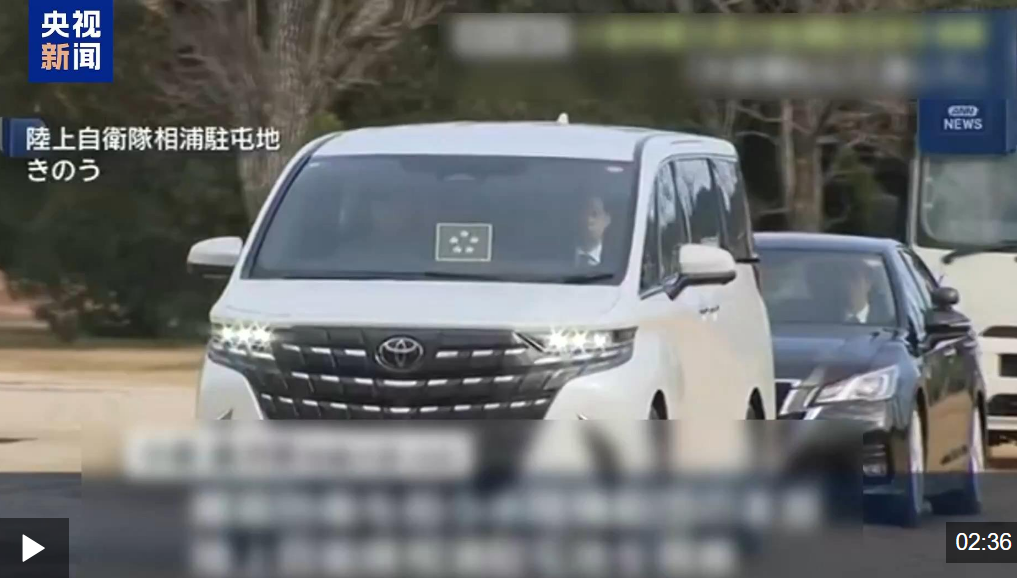
AAV7水陆两栖战车

Search documents
视频丨渲染安全威胁 日防相再提加强西南防卫
Yang Shi Xin Wen Ke Hu Duan· 2025-12-23 03:06
Core Viewpoint - Japan's Defense Minister, Koizumi Shinjiro, emphasizes the urgent need to strengthen the defense system in the southwestern region due to increasingly severe security conditions [1][3]. Group 1: Military Exercises and Capabilities - The "Amphibious Rapid Deployment Brigade" conducted exercises using the Osprey transport aircraft to transport vehicles and personnel [3]. - Koizumi confirmed the mobility of the AAV7 amphibious assault vehicle during the exercises [3]. - The brigade, established in 2018, consists of three battalions with a total strength of approximately 3,000 personnel, equipped with artillery, AAV7 vehicles, Osprey aircraft, hovercraft, and drones [5]. Group 2: Strategic Military Deployment - Japan has shifted its defense focus towards the southwest since 2010, with Prime Minister Kishi Nobuo accelerating military deployments in the region [7]. - Plans to deploy the Type 03 surface-to-air missile unit on Yonaguni Island are progressing as scheduled [7]. - The Defense Ministry plans to deploy extended-range Type 12 anti-ship missiles in Kumamoto City, facing strong opposition from local residents [11]. Group 3: Local Opposition and Concerns - Residents of Yonaguni Island express concerns over the increasing military presence, likening the island to a floating aircraft carrier due to the planned missile base [9]. - Local civic groups in Kumamoto warn that missile deployment could make them targets in the event of conflict, emphasizing the need to oppose such developments for the sake of their community [11]. Group 4: Regional Implications - Military observers note that Japan's military buildup in the southwestern islands indicates clear hostility towards neighboring countries, raising concerns about regional peace and stability [15]. - There is a warning that if Japan uses these islands as bases for offensive operations, it could provoke significant backlash from other nations [15].

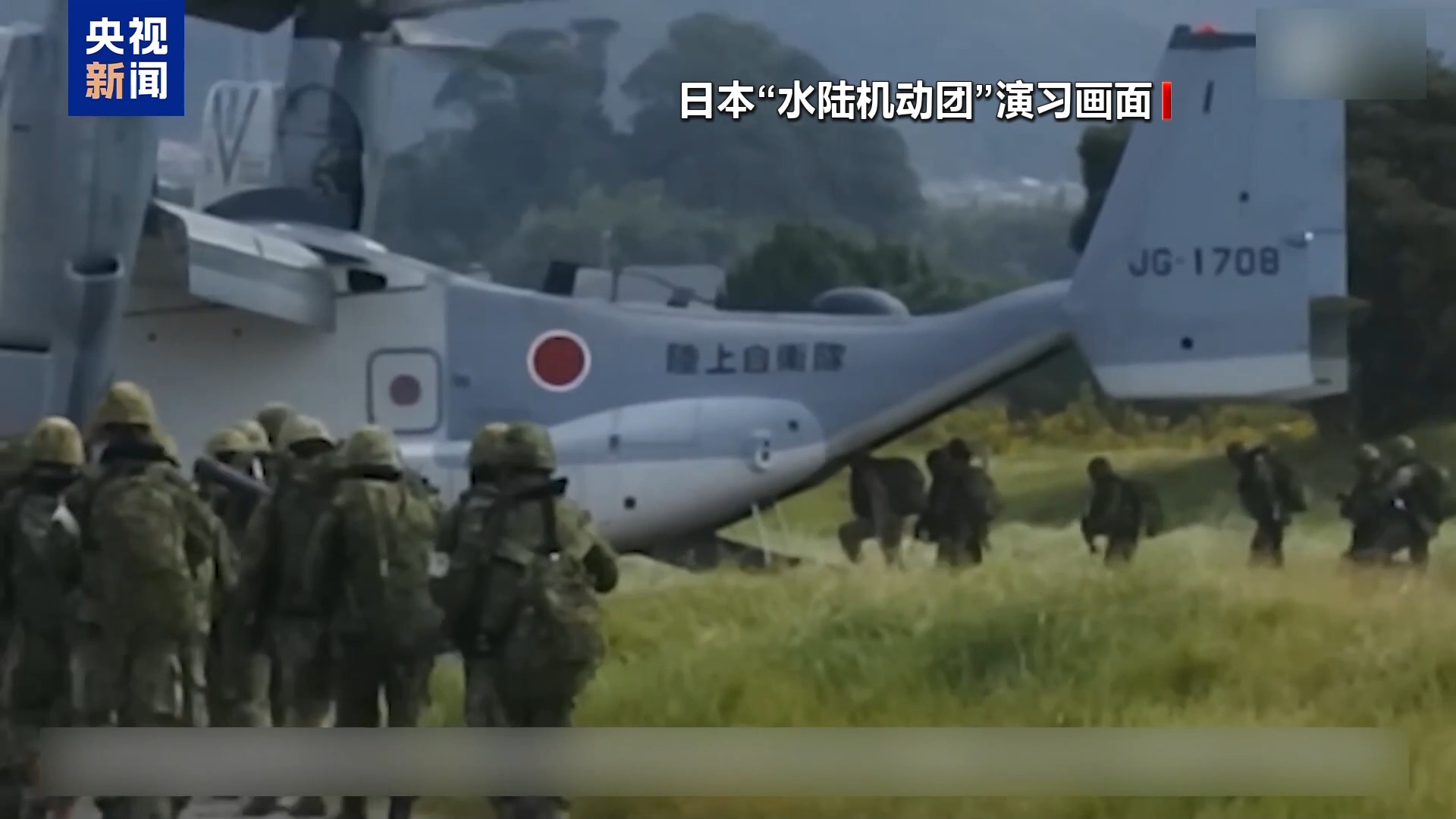
渲染安全威胁 日防相再提加强西南防卫
Yang Shi Xin Wen Ke Hu Duan· 2025-12-23 02:08
Core Viewpoint - Japan's Defense Minister, Koizumi Shinjiro, emphasizes the urgent need to strengthen the defense system in the southwestern region due to increasingly severe security conditions [1][3]. Group 1: Military Exercises and Capabilities - The "Amphibious Rapid Deployment Brigade" conducted exercises using the Osprey transport aircraft to transport vehicles and personnel, showcasing its mobility [3]. - The brigade, established in 2018, consists of three battalions with a total strength of approximately 3,000 personnel, equipped with artillery, AAV7 amphibious vehicles, Osprey aircraft, hovercraft, and drones [5]. Group 2: Strategic Military Deployment - Japan has shifted its defense focus to the southwestern region since 2010, with Prime Minister Suga Yoshihide accelerating military deployments, leading to significant public protests [7]. - Plans are underway to deploy the Type 03 surface-to-air missile units on Yonaguni Island, progressing as scheduled [7]. Group 3: Local Opposition and Concerns - Residents of Yonaguni Island express concerns over the increasing military presence, likening the island to a floating aircraft carrier due to the planned missile base [9]. - In Kumamoto City, the Defense Ministry's plan to deploy extended-range Type 12 anti-ship missiles has faced strong opposition from local citizens [11]. Group 4: Regional Implications and Reactions - Military observers note that Japan's military buildup in the southwestern islands indicates clear hostility towards neighboring countries, raising concerns about regional peace and stability [15]. - The potential for Japan to use these islands as bases for offensive operations could provoke significant backlash from other nations in the region [15].