03式地对空导弹

Search documents
视频丨渲染安全威胁 日防相再提加强西南防卫
Yang Shi Xin Wen Ke Hu Duan· 2025-12-23 03:06
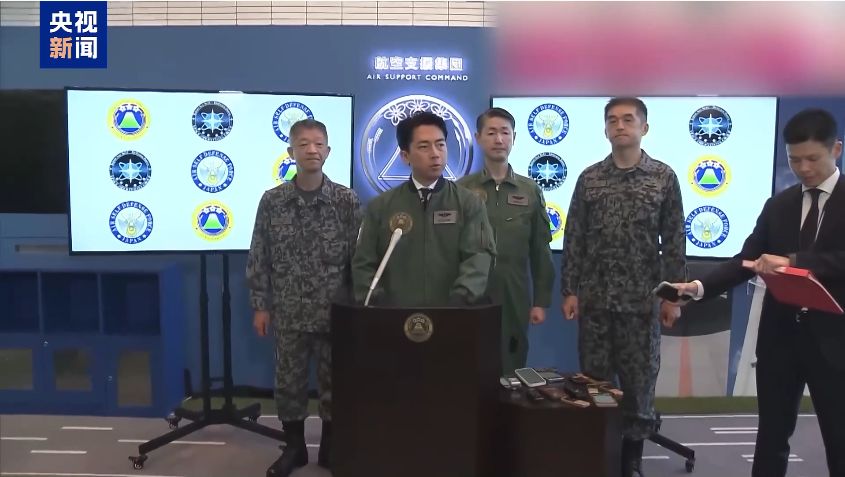
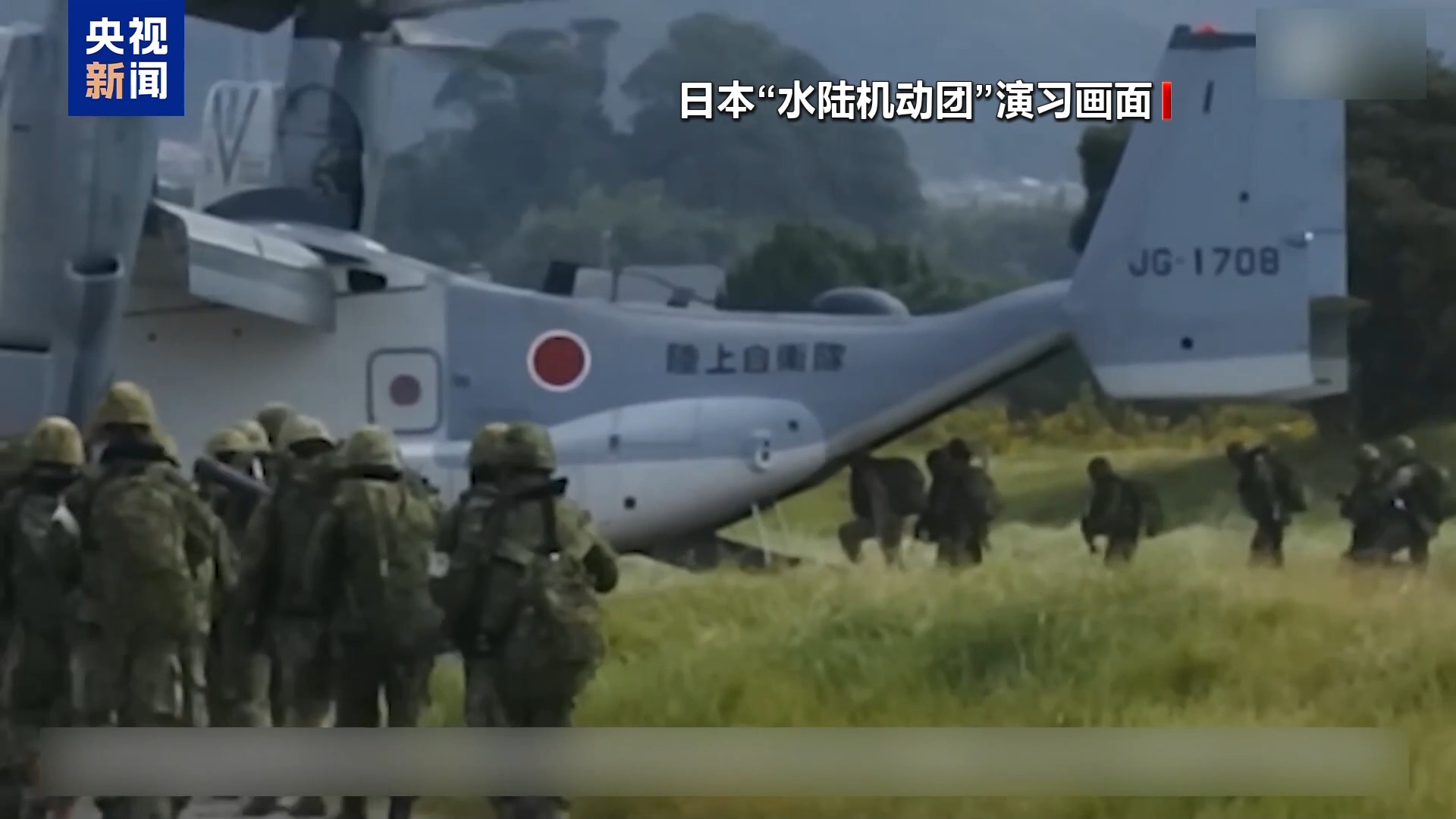
Core Viewpoint - Japan's Defense Minister, Koizumi Shinjiro, emphasizes the urgent need to strengthen the defense system in the southwestern region due to increasingly severe security conditions [1][3]. Group 1: Military Exercises and Capabilities - The "Amphibious Rapid Deployment Brigade" conducted exercises using the Osprey transport aircraft to transport vehicles and personnel [3]. - Koizumi confirmed the mobility of the AAV7 amphibious assault vehicle during the exercises [3]. - The brigade, established in 2018, consists of three battalions with a total strength of approximately 3,000 personnel, equipped with artillery, AAV7 vehicles, Osprey aircraft, hovercraft, and drones [5]. Group 2: Strategic Military Deployment - Japan has shifted its defense focus towards the southwest since 2010, with Prime Minister Kishi Nobuo accelerating military deployments in the region [7]. - Plans to deploy the Type 03 surface-to-air missile unit on Yonaguni Island are progressing as scheduled [7]. - The Defense Ministry plans to deploy extended-range Type 12 anti-ship missiles in Kumamoto City, facing strong opposition from local residents [11]. Group 3: Local Opposition and Concerns - Residents of Yonaguni Island express concerns over the increasing military presence, likening the island to a floating aircraft carrier due to the planned missile base [9]. - Local civic groups in Kumamoto warn that missile deployment could make them targets in the event of conflict, emphasizing the need to oppose such developments for the sake of their community [11]. Group 4: Regional Implications - Military observers note that Japan's military buildup in the southwestern islands indicates clear hostility towards neighboring countries, raising concerns about regional peace and stability [15]. - There is a warning that if Japan uses these islands as bases for offensive operations, it could provoke significant backlash from other nations [15].

渲染安全威胁 日防相再提加强西南防卫
Yang Shi Xin Wen Ke Hu Duan· 2025-12-23 02:08
Core Viewpoint - Japan's Defense Minister, Koizumi Shinjiro, emphasizes the urgent need to strengthen the defense system in the southwestern region due to increasingly severe security conditions [1][3]. Group 1: Military Exercises and Capabilities - The "Amphibious Rapid Deployment Brigade" conducted exercises using the Osprey transport aircraft to transport vehicles and personnel, showcasing its mobility [3]. - The brigade, established in 2018, consists of three battalions with a total strength of approximately 3,000 personnel, equipped with artillery, AAV7 amphibious vehicles, Osprey aircraft, hovercraft, and drones [5]. Group 2: Strategic Military Deployment - Japan has shifted its defense focus to the southwestern region since 2010, with Prime Minister Suga Yoshihide accelerating military deployments, leading to significant public protests [7]. - Plans are underway to deploy the Type 03 surface-to-air missile units on Yonaguni Island, progressing as scheduled [7]. Group 3: Local Opposition and Concerns - Residents of Yonaguni Island express concerns over the increasing military presence, likening the island to a floating aircraft carrier due to the planned missile base [9]. - In Kumamoto City, the Defense Ministry's plan to deploy extended-range Type 12 anti-ship missiles has faced strong opposition from local citizens [11]. Group 4: Regional Implications and Reactions - Military observers note that Japan's military buildup in the southwestern islands indicates clear hostility towards neighboring countries, raising concerns about regional peace and stability [15]. - The potential for Japan to use these islands as bases for offensive operations could provoke significant backlash from other nations in the region [15].
日本新动作曝光!拟打造“宇宙作战集团”
中国基金报· 2025-12-04 04:59
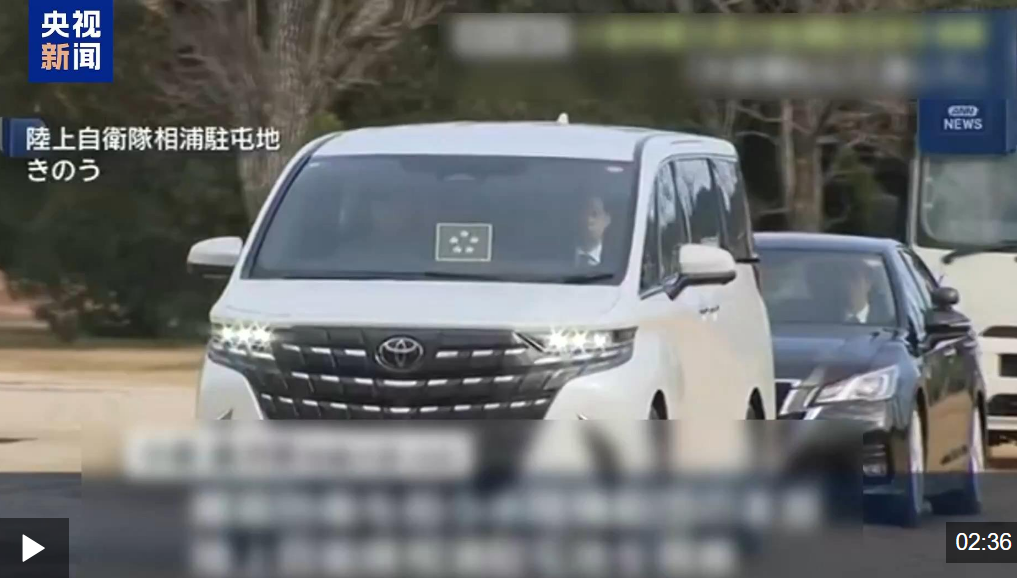
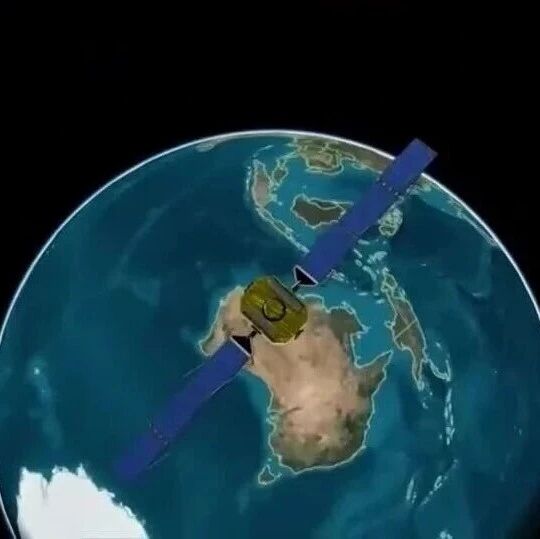
Core Viewpoint - Japan is actively pursuing the militarization of space, with plans to establish a "Space Operations Group" as part of its defense strategy, reflecting a shift towards more aggressive military capabilities under the guise of "self-defense" [1][3]. Group 1: Space Military Development - Japan's Defense Minister, Koizumi Shinjiro, emphasized the importance of space for both military and civilian purposes, indicating a strong commitment to enhancing space capabilities [1]. - The Japanese government plans to reorganize the Air Self-Defense Force into an "Aerospace Self-Defense Force" by 2026, with the "Space Operations Group" expected to be upgraded by 2025 [1]. - Japan is developing "bodyguard satellites" to strengthen its space defense capabilities and is investing in a "low-orbit satellite constellation" project, akin to the Starlink initiative [1]. Group 2: Strategic Military Considerations - Japan aims to build a comprehensive space reconnaissance system using optical infrared imaging satellites and radar reconnaissance satellites to monitor foreign military targets, thereby supporting offensive operations [2]. - The restructured Aerospace Self-Defense Force will conduct joint exercises and training with the U.S. Space Force, extending the U.S.-Japan military alliance into space [3]. - There is a potential for Japan to develop orbital combat platforms similar to the U.S. military's X-37B unmanned spaceplane, indicating a significant shift towards space warfare capabilities [3]. Group 3: Regional Military Deployment - Japan is enhancing its military presence in the southwestern region, particularly in Okinawa, with plans to upgrade the Ground Self-Defense Force's 15th Brigade to a division by 2027, focusing on island defense operations [5]. - The deployment of advanced missile systems, such as the Type 03 medium-range surface-to-air missile and extended-range variants of the Type 12 anti-ship missile, is aimed at providing fire support and protection for Japan's Ground Self-Defense Forces [5][6]. - The establishment of the "Okinawa Defense Group" is seen as a preparation for potential large-scale island operations, reflecting Japan's offensive military posture [5].
日本新动作曝光!拟打造“航空宇宙自卫队”和“宇宙作战集团”:会和美国太空军联合演习、训练 甚至联合作战
Mei Ri Jing Ji Xin Wen· 2025-12-04 02:14
Core Viewpoint - Japan's government, under Prime Minister Kishi Nobuo, is aggressively pursuing military expansion under the guise of "self-defense," with a strong focus on militarizing space [1][3]. Group 1: Military Expansion Plans - Japan's Defense Minister Koizumi Shinjiro emphasized the importance of space as a critical area for both military and civilian purposes during a visit to the Air Self-Defense Force base [3]. - The Japanese government plans to reorganize the Air Self-Defense Force into an "Aerospace Self-Defense Force" by the fiscal year 2026, with the "Space Operations Group" expected to be upgraded to a "Space Operations Corps" by 2025 [3]. - Japan is also developing "bodyguard satellites" to enhance its space defense capabilities and plans to invest heavily in a "low-orbit satellite constellation" project, akin to the Starlink initiative [3]. Group 2: Strategic Considerations - Japan aims to establish a more comprehensive space reconnaissance system using optical infrared imaging satellites and radar reconnaissance satellites to monitor foreign military targets [4]. - The military communication and navigation satellites will support Japan's Self-Defense Forces in the Indian and Pacific Oceans, facilitating overseas deployments for intelligence and information support [4]. - New early warning satellites are being launched to strengthen Japan's overall missile defense capabilities, reducing the effectiveness of other nations' ballistic missile capabilities [5]. Group 3: International Reactions and Concerns - International observers have expressed concerns that Prime Minister Kishi Nobuo's statements signal a resurgence of Japanese militarism, which could threaten regional and global peace and stability [6][7]. - Critics argue that Japan's military expansion and provocative statements could escalate tensions and potentially lead to conflict, highlighting the historical context of Japan's military actions in Asia [7][8].