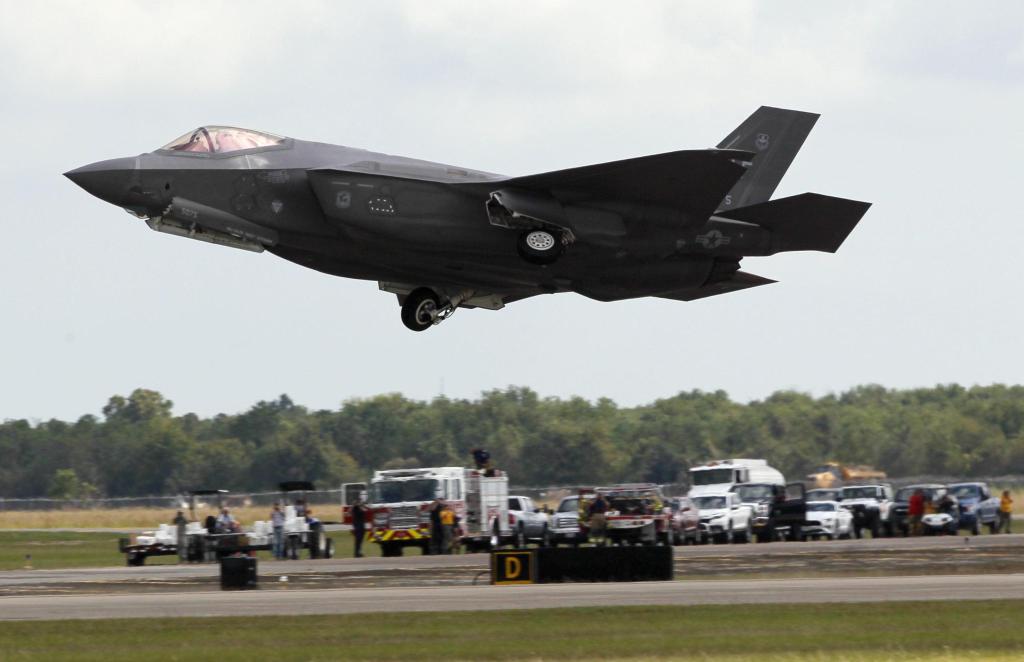
鱼鹰运输机

Search documents
视频丨渲染安全威胁 日防相再提加强西南防卫
Yang Shi Xin Wen Ke Hu Duan· 2025-12-23 03:06
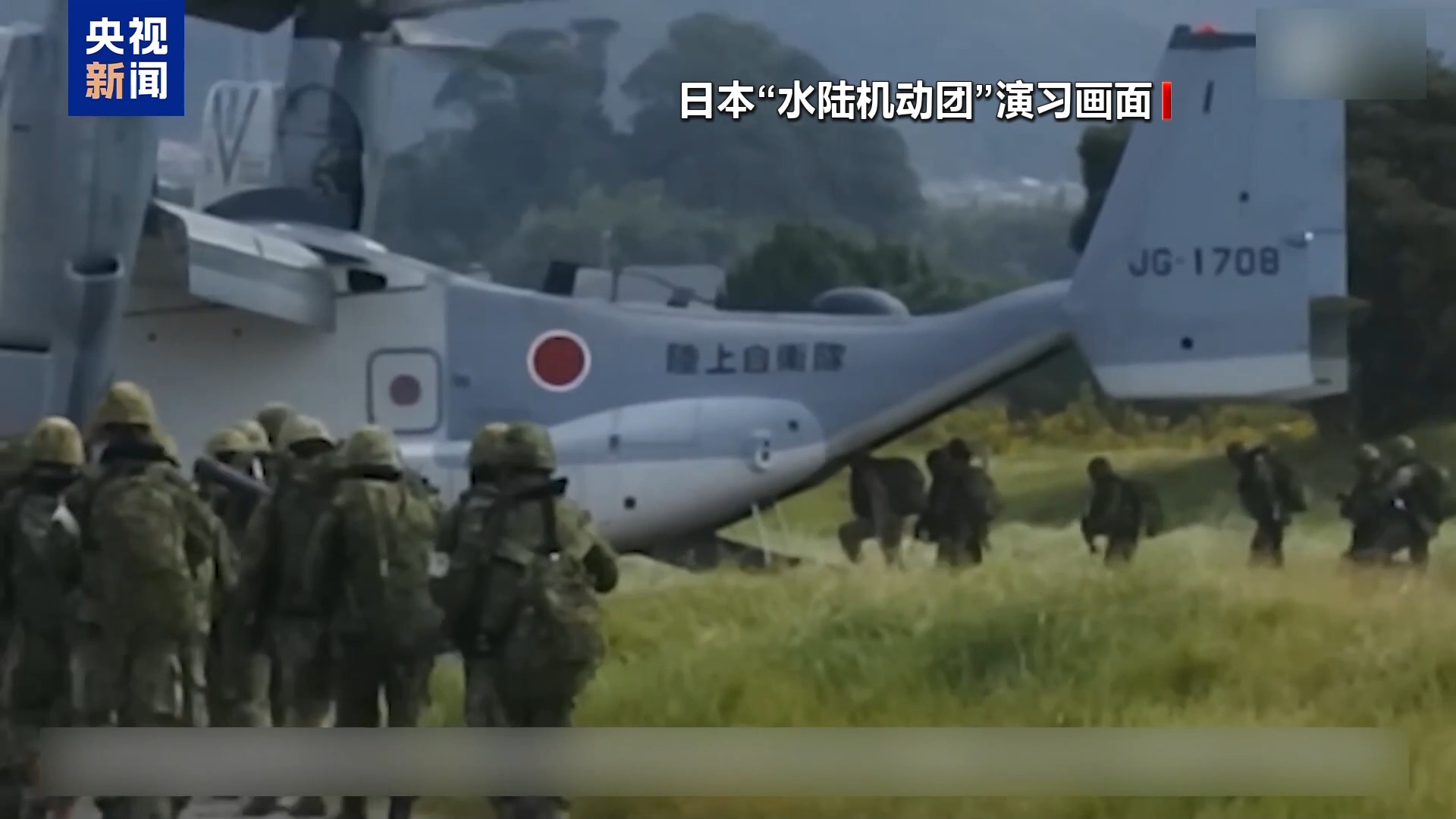
Core Viewpoint - Japan's Defense Minister, Koizumi Shinjiro, emphasizes the urgent need to strengthen the defense system in the southwestern region due to increasingly severe security conditions [1][3]. Group 1: Military Exercises and Capabilities - The "Amphibious Rapid Deployment Brigade" conducted exercises using the Osprey transport aircraft to transport vehicles and personnel [3]. - Koizumi confirmed the mobility of the AAV7 amphibious assault vehicle during the exercises [3]. - The brigade, established in 2018, consists of three battalions with a total strength of approximately 3,000 personnel, equipped with artillery, AAV7 vehicles, Osprey aircraft, hovercraft, and drones [5]. Group 2: Strategic Military Deployment - Japan has shifted its defense focus towards the southwest since 2010, with Prime Minister Kishi Nobuo accelerating military deployments in the region [7]. - Plans to deploy the Type 03 surface-to-air missile unit on Yonaguni Island are progressing as scheduled [7]. - The Defense Ministry plans to deploy extended-range Type 12 anti-ship missiles in Kumamoto City, facing strong opposition from local residents [11]. Group 3: Local Opposition and Concerns - Residents of Yonaguni Island express concerns over the increasing military presence, likening the island to a floating aircraft carrier due to the planned missile base [9]. - Local civic groups in Kumamoto warn that missile deployment could make them targets in the event of conflict, emphasizing the need to oppose such developments for the sake of their community [11]. Group 4: Regional Implications - Military observers note that Japan's military buildup in the southwestern islands indicates clear hostility towards neighboring countries, raising concerns about regional peace and stability [15]. - There is a warning that if Japan uses these islands as bases for offensive operations, it could provoke significant backlash from other nations [15].

渲染安全威胁 日防相再提加强西南防卫
Yang Shi Xin Wen Ke Hu Duan· 2025-12-23 02:08
Core Viewpoint - Japan's Defense Minister, Koizumi Shinjiro, emphasizes the urgent need to strengthen the defense system in the southwestern region due to increasingly severe security conditions [1][3]. Group 1: Military Exercises and Capabilities - The "Amphibious Rapid Deployment Brigade" conducted exercises using the Osprey transport aircraft to transport vehicles and personnel, showcasing its mobility [3]. - The brigade, established in 2018, consists of three battalions with a total strength of approximately 3,000 personnel, equipped with artillery, AAV7 amphibious vehicles, Osprey aircraft, hovercraft, and drones [5]. Group 2: Strategic Military Deployment - Japan has shifted its defense focus to the southwestern region since 2010, with Prime Minister Suga Yoshihide accelerating military deployments, leading to significant public protests [7]. - Plans are underway to deploy the Type 03 surface-to-air missile units on Yonaguni Island, progressing as scheduled [7]. Group 3: Local Opposition and Concerns - Residents of Yonaguni Island express concerns over the increasing military presence, likening the island to a floating aircraft carrier due to the planned missile base [9]. - In Kumamoto City, the Defense Ministry's plan to deploy extended-range Type 12 anti-ship missiles has faced strong opposition from local citizens [11]. Group 4: Regional Implications and Reactions - Military observers note that Japan's military buildup in the southwestern islands indicates clear hostility towards neighboring countries, raising concerns about regional peace and stability [15]. - The potential for Japan to use these islands as bases for offensive operations could provoke significant backlash from other nations in the region [15].
日本曾定3套“夺岛”方案,细节曝光
财联社· 2025-11-23 07:44
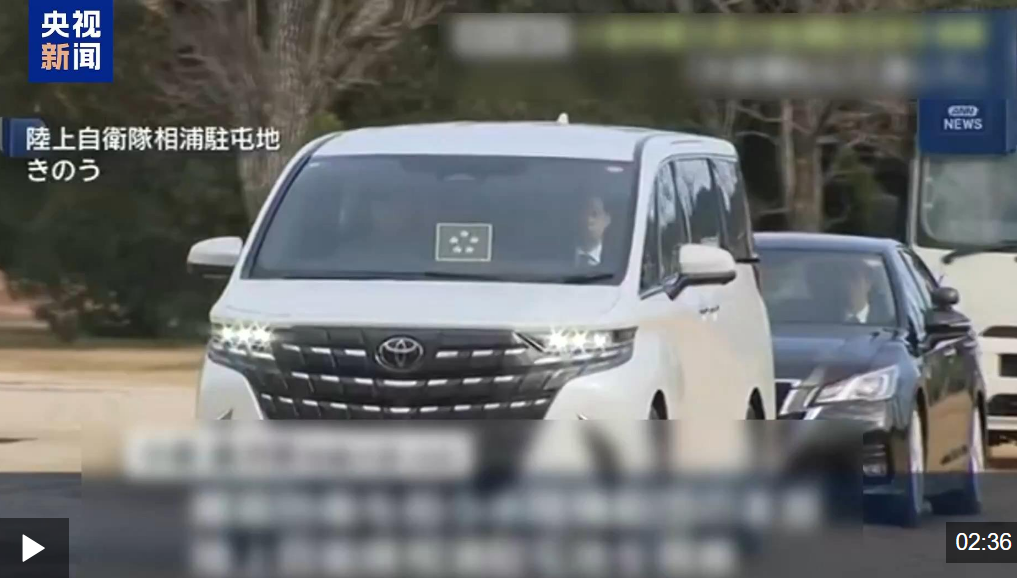
Core Viewpoint - Japan's Self-Defense Forces are enhancing military deployments near the Taiwan Strait in response to provocative remarks by Prime Minister Sanae Takaichi, with plans established as early as 2021 for military operations in the event of a Taiwan crisis [1][2]. Group 1: Military Strategies - The Japan Ground Self-Defense Force has developed three military strategies focused on the Taiwan Strait, utilizing the "Southwest Islands" as operational bases [2]. - The first strategy involves the "Amphibious Rapid Deployment Brigade" executing a blitzkrieg, with the brigade expanded to 3,000 personnel and utilizing various naval vessels for rapid troop deployment [2]. - The second strategy is a large-scale amphibious operation, with plans to integrate existing forces into a new special operations brigade and establish a "Maritime Transport Group" by 2027, equipped with 10 transport vessels [2]. - The third strategy focuses on missile fire suppression and blockade, employing advanced anti-ship and hypersonic missiles to support the amphibious operations [2]. Group 2: Limitations and Challenges - The Japan Self-Defense Forces face significant challenges in achieving air superiority, as their F-15 and F-2 aircraft are outdated, and the limited number of F-35A jets do not provide adequate protection for naval operations [3]. - The potential for long-range firepower to disrupt Japanese amphibious forces during mobilization poses a critical risk, indicating that any deployment could lead to failure due to overwhelming enemy firepower [3].

高市早苗何以有恃无恐,日本自卫队图穷匕见露出獠牙
Zhong Guo Xin Wen Wang· 2025-11-19 02:57
Group 1 - Japanese Prime Minister Kishi Nobuo has made provocative statements regarding Taiwan and is considering modifying the "Three Non-Nuclear Principles" to allow allied nuclear-armed vessels to dock in Japan [1] - The Japan Self-Defense Forces (JSDF) have significantly accelerated their military preparedness, enhancing capabilities in long-range attacks, amphibious operations, mine-sweeping, anti-submarine warfare, air defense, and reconnaissance [1][4] - The Ground Self-Defense Force has established seven coastal missile units, creating a comprehensive missile network across Japan, with plans to upgrade to the extended-range Type 12 anti-ship missile with a range of 1,000 kilometers starting in 2026 [1] Group 2 - The JSDF is acquiring 17 Osprey transport aircraft to bolster island seizure capabilities, stationed at Saga Airport for rapid deployment support [4] - The Maritime Self-Defense Force has explicitly stated its intention to enhance land attack capabilities, which contradicts Japan's pacifist constitution and presents an aggressive military posture [4] Group 3 - Japan is expediting the commissioning of new lithium battery submarines and has allocated 1.94 trillion yen for the construction of two new warships equipped with long-range missile detection radars [5] - The modifications to the "Kaga" and "Izumo" carriers are nearing completion, with the "Izumo" set to feature a 170-meter ski jump and expected to be operational by the fiscal year 2027 [5] Group 4 - The Air Self-Defense Force is accelerating the deployment of F-35A stealth fighters, with 47 aircraft already received by various squadrons, aiming for a total of nearly 150 F-35A/B aircraft [6] Group 5 - Japan is modernizing military infrastructure nationwide and significantly increasing ammunition reserves, with a budget increase of four times to over 800 billion yen for the fiscal year 2023 [7] - Plans include the procurement of 400 Tomahawk cruise missiles and the deployment of up to 1,500 long-range missiles by 2032 [7] - Japan is also enhancing domestic arms production capabilities and supporting numerous startups in the defense sector across various fields, including drones and electronic warfare [7]
与委内瑞拉关系持续紧张 美军向波多黎各派出多架F-35战机
Xin Hua She· 2025-09-15 01:20
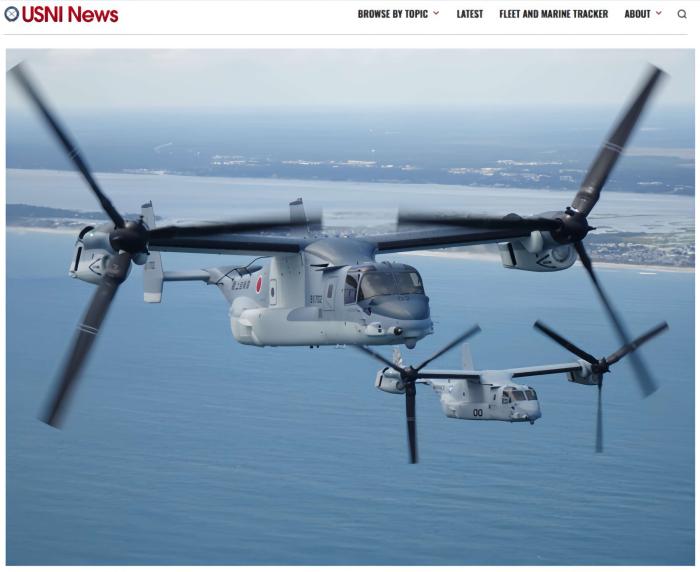
Group 1 - The core viewpoint of the articles highlights the deployment of U.S. military assets, specifically five F-35 fighter jets, to Puerto Rico as part of an operation aimed at combating drug trafficking in Latin America [1][3] - The U.S. has increased military presence in the Caribbean region, with multiple naval vessels deployed near Venezuela, indicating heightened tensions between the U.S. and Venezuela [3] - Venezuelan President Maduro has responded to U.S. actions by announcing the deployment of defensive forces across 284 "frontline" locations to counter potential military incursions [3] Group 2 - The U.S. military's recent activities, including the interception of a Venezuelan fishing vessel by a U.S. destroyer, are viewed by Venezuela as direct provocations and part of a broader strategy to justify military actions in the region [3] - President Trump has stated that the deployment of F-35s is not aimed at regime change in Venezuela, despite the military buildup being perceived as a threat by the Venezuelan government [1][3]

与委内瑞拉关系持续紧张 美军向波多黎各派出多架F-35战机
Xin Hua Wang· 2025-09-14 09:38
Group 1 - The core point of the articles is the deployment of U.S. military assets, specifically five F-35 fighter jets, to Puerto Rico as part of an operation to combat drug trafficking in Latin America, amidst rising tensions with Venezuela [1][2] - The U.S. military has been increasing its presence in the Caribbean, with multiple naval vessels deployed under the pretext of fighting drug cartels, which Venezuela's President Maduro has labeled as a provocation [2] - The U.S. President Trump ordered the deployment of ten F-35 jets to Puerto Rico, indicating a strategic military response to the situation in Venezuela, while claiming that the U.S. does not seek regime change in the country [1][2] Group 2 - Venezuela has responded to U.S. military actions by announcing the deployment of defensive forces at 284 "frontline" locations across the country to counter potential military incursions [2] - An incident was reported where a U.S. destroyer allegedly intercepted a Venezuelan fishing vessel in its exclusive economic zone, which Venezuela claims was an illegal act, further escalating tensions [2] - The military activities in the Caribbean are seen as a means for the U.S. to justify increased military operations in the region, with implications for both U.S.-Venezuela relations and broader geopolitical dynamics [2]