
AMD Helios机架级AI架构

Search documents
一次集齐四大芯片巨头CEO,联想成了“最大公约数”
Di Yi Cai Jing· 2026-01-07 06:48
Core Insights - The gathering of the four major chip giants—NVIDIA, Intel, AMD, and Qualcomm—at the Lenovo Tech World during CES 2026 highlights the evolving dynamics of the semiconductor industry, where collaboration and competition coexist in the AI narrative [1] - The focus is shifting from individual chip manufacturers to system-level players that can integrate diverse computing power and facilitate the deployment of intelligent hardware solutions [1] Group 1: Industry Transformation - Jensen Huang, CEO of NVIDIA, emphasized the significance of AI as a foundational architecture akin to operating systems, marking a new platform shift in computing [4] - The IT industry has invested approximately $10 to $15 trillion over the past thirty years, necessitating a complete overhaul to adapt to AI applications [5] - Huang and Lenovo's CEO, Yang Yuanqing, announced a new collaboration plan to create a "Lenovo AI Cloud Super Factory," aiming to standardize AI infrastructure and transition from highly customized deployments to industrialized solutions [5][7] Group 2: Competitive Landscape - AMD's CEO, Lisa Su, introduced the Helios rack-level AI platform, positioning it as a direct challenge to NVIDIA's GPU-centric approach, highlighting the need for robust system-level infrastructure to support larger models and higher throughput [8] - Intel's new CEO, Pat Gelsinger, showcased the Aura Edition AI PC, which integrates the latest Intel processors, indicating a shift from traditional PCs to data centers and cloud computing [9][10] - Qualcomm's focus on AI-native endpoints, particularly in wearable devices, reflects a broader trend towards personal intelligent companions that require low power consumption and continuous connectivity [10] Group 3: Collaborative Ecosystem - The collaboration among the four chip giants illustrates a new industry consensus that the true value of AI lies not in possessing the most powerful chip but in transforming computing power into usable capabilities for enterprises and users [11] - Lenovo's role as a "system integrator" and "scene amplifier" is crucial in this collaborative ecosystem, as it bridges the various offerings from NVIDIA, AMD, Intel, and Qualcomm [11] - The wearable device market is projected to exceed one billion units, showcasing the potential for growth in AI-driven consumer technology [11]



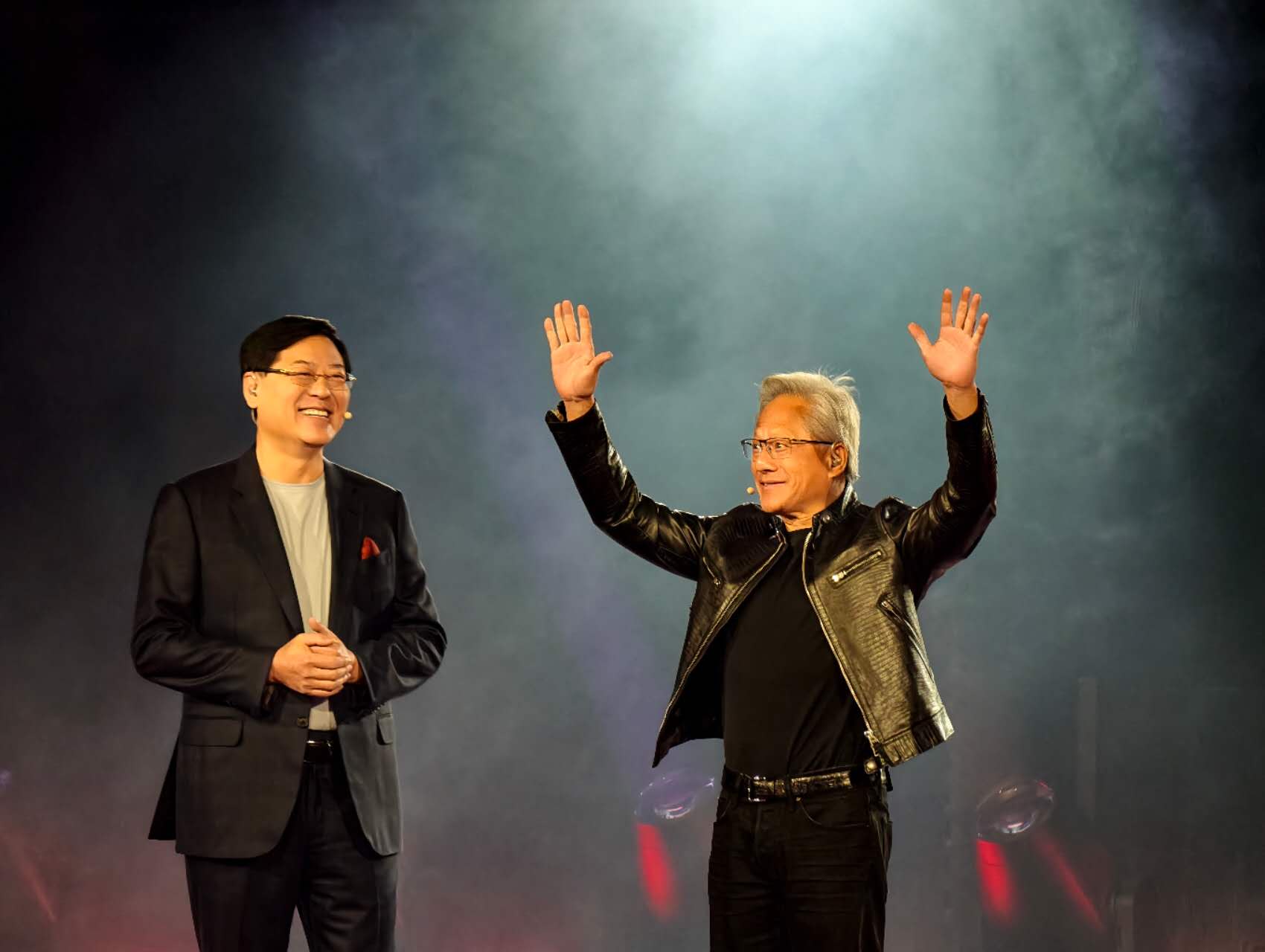
AMD董事会主席苏姿丰:联想将成为首批采用AMD Helios机架级AI架构的系统供应商
Mei Ri Jing Ji Xin Wen· 2026-01-07 04:17
Core Insights - The 2026 International Consumer Electronics Show (CES) officially opened in Las Vegas on January 6, 2026, coinciding with Lenovo's largest annual technology innovation conference, "Lenovo Tech World" [1] - AMD's CEO, Lisa Su, announced that Lenovo will be one of the first system vendors to adopt AMD's Helios rack-level AI architecture, highlighting the growing importance of AI in various sectors [1][2] Group 1 - The global demand for AI is increasing, with enterprises needing flexible deployment options across cloud, on-premises, and edge environments [1] - Companies are looking for the best combination of CPU, GPU, and software tailored to their specific business needs [1] - AMD launched its latest rack-level computing platform, Helios, which is seen as a challenge to Nvidia [1] Group 2 - The need for larger models and higher throughput systems is driving the demand for rack-level AI infrastructure [2] - Lenovo's partnership with AMD positions it strategically in the evolving AI landscape [2]