
Air conditioners

Search documents
Trane Technologies (TT) Powers Growth with Data Center Cooling
Yahoo Finance· 2026-02-26 14:32
Core Insights - Trane Technologies plc (NYSE:TT) is recognized as a strong manufacturing stock, particularly after its acquisition of Stellar Energy Americas, enhancing its capabilities in data center cooling solutions [1][2] Group 1: Acquisition and Market Position - The acquisition of Stellar Energy Americas was completed on February 18, 2026, and was initially announced on December 2, 2025, which strengthens Trane's position in thermal management for data centers [1] - Trane's focus on innovation and growth was highlighted at Citi's Global Industrial Tech & Mobility Conference, indicating a strategic direction towards enhancing its market presence [2] Group 2: Financial Performance - Trane reported significant revenue growth from $12.5 billion to $21.3 billion over five years, driven by acquisitions and strong demand in data center cooling [2] - The company anticipates a 7%–8% growth in commercial HVAC in the Americas for Q1 2026, while residential HVAC is expected to decline by 20% [2] Group 3: Operational Strengths - Operational updates indicate strength in construction, power generation, and HVAC markets, with Europe returning to growth after seven quarters of decline and Asia benefiting from increased electronics demand [3] - Trane continues to invest in new products, acquisitions, and digital solutions, such as BrainBox, while projecting long-term growth through AI integration and smarter building technologies [3] Group 4: Product Offerings - Trane Technologies designs, manufactures, sells, and services a wide range of HVAC and transport refrigeration solutions, including air conditioners, heat pumps, and modular cooling systems [4]

广州:春节期间市场供给量足价稳,传统花街还将走进北京
Nan Fang Du Shi Bao· 2026-02-04 10:45
Group 1 - Guangzhou is promoting consumption during the Spring Festival with initiatives such as a trade-in program for consumer goods and a Guangdong quality product purchase campaign, covering 18 product categories with a maximum subsidy rate of 15% and distributing 50 million yuan in dining vouchers [1][5][6] - The city aims to ensure a stable supply of essential goods and maintain price stability, with over 1,000 supermarkets and 500 wholesale markets prepared to meet demand during the holiday [3][6] - The traditional flower street event will be held in Beijing from March 3 to 10, showcasing Guangzhou's floral industry and cultural heritage [6][8] Group 2 - The "Flower Street" event in Beijing will feature a recreation of Guangzhou's flower market, integrating traditional customs with modern interactive experiences, including local cuisine and technology demonstrations [8][9] - The initiative is seen as a cultural output and a way to expand the market for Guangzhou's products, allowing residents in Beijing to experience authentic Cantonese traditions [9]

重庆新一轮消费品以旧换新补贴开启
Xin Lang Cai Jing· 2026-01-04 16:56
Group 1 - The Chongqing government will launch a comprehensive subsidy policy for vehicle scrapping and replacement, as well as for home appliances and digital products starting January 1, 2026 [2] - The first batch of subsidies for 2026 includes 210 million yuan for vehicle scrapping, 555 million yuan for vehicle replacement, 450 million yuan for home appliances, and 301 million yuan for digital and smart products [2] Group 2 - Consumers can receive a one-time subsidy of up to 20,000 yuan for scrapping eligible gasoline and diesel vehicles registered before specific dates and purchasing qualifying new energy or low-displacement fuel vehicles [3] - The subsidy for scrapping eligible fuel vehicles and purchasing new energy vehicles is set at 12% of the new vehicle sales price, while the subsidy for low-displacement fuel vehicles is 10%, with maximum amounts of 20,000 yuan and 15,000 yuan respectively [3][4] Group 3 - For vehicle replacement, consumers can receive a one-time subsidy of up to 15,000 yuan for purchasing qualifying new energy vehicles and up to 13,000 yuan for low-displacement fuel vehicles [5] - The subsidy for new energy vehicles is 8% of the new vehicle sales price, while for low-displacement fuel vehicles, it is 6% [5] Group 4 - Consumers can receive a 15% subsidy on the sales price of energy-efficient home appliances, with a maximum of 1,500 yuan per item, and can claim one subsidy per category [6] - For digital products like smartphones and tablets, a 15% subsidy is also available, capped at 500 yuan per item, with a limit of one subsidy per category [6] Group 5 - The subsidy policy will be effective from January 1, 2026, to December 31, 2026, and will operate on a "total amount control, balanced use, and first-come, first-served" basis [6]

国补新政来袭!这些变化影响你买单→
Xin Lang Cai Jing· 2026-01-02 04:04
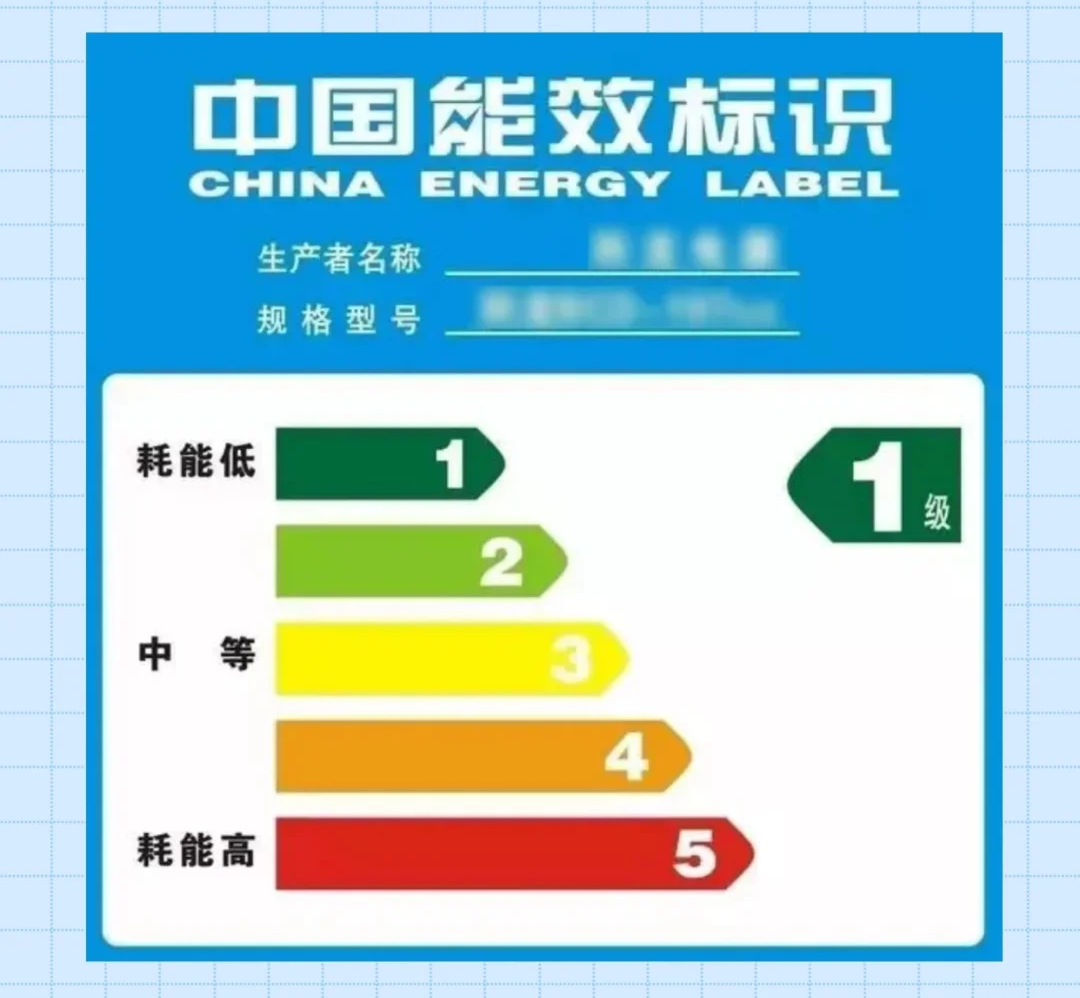
Core Viewpoint - The new round of "National Subsidy" has officially begun, with a total of 625 billion yuan allocated for 2026, focusing on consumer goods replacement and increased support for equipment updates [1]. Group 1: Digital and Smart Products - Digital and smart products will continue to receive a 15% subsidy, with a maximum of 500 yuan per item, maintaining the same standards as in 2025. The product categories have been expanded to include smart glasses alongside existing items like smartphones and smart home products [1][2]. Group 2: Home Appliances - Subsidies for home appliances will focus solely on products that meet 1st-level energy efficiency or water efficiency standards. Categories eligible for subsidies include refrigerators, washing machines, televisions, air conditioners, computers, and water heaters, with a maximum subsidy of 1500 yuan per item [3][5]. Group 3: Automotive Subsidies - The automotive subsidy program has been adjusted to provide a fixed percentage of the new car sales price as a subsidy, with a maximum of 20,000 yuan for eligible vehicles. The criteria for old vehicle registration dates have been clarified to expand the support range [5][6][7]. Group 4: Equipment Updates - The support for equipment updates will generally continue the scope established in 2025, with additional focus on areas such as old community elevator installations, equipment updates for elderly care institutions, and safety equipment [8][12]. Group 5: Application Process - Consumers can apply for subsidies through designated platforms for different product categories, including automotive and home appliances, ensuring a streamlined process for accessing the benefits [10][13]. Group 6: Fraud Prevention - The implementation of the 2026 "National Subsidy" policy will include measures to combat fraud and ensure that the subsidy benefits reach a broad consumer base, enhancing the effectiveness of the program [15].
2026年河北“国补”政策来了!
Xin Lang Cai Jing· 2026-01-01 12:37
Core Viewpoint - Hebei Province will implement a large-scale consumer goods trade-in policy in 2026 to enhance the quality of life for residents and stimulate consumption [1] Group 1: Policy Implementation - The trade-in program will officially start on January 1, 2026, and end on December 31, 2026 [1] - The program aims to meet the high-quality living needs of the public as per national directives [1] Group 2: Scope of Policy - **Automobile Scrapping and Replacement**: - Subsidies will be provided for scrapping gasoline vehicles registered before June 30, 2013, diesel vehicles before June 30, 2015, and new energy vehicles before December 31, 2019 [2] - A subsidy of 12% of the new car price (up to 20,000 yuan) for scrapping eligible old cars and purchasing new energy vehicles, and 10% (up to 15,000 yuan) for fuel vehicles with an engine size of 2.0 liters or less [2] - **Automobile Trade-in**: - Subsidies for selling personal vehicles and purchasing new energy or fuel-efficient vehicles [3] - 8% subsidy (up to 15,000 yuan) for new energy vehicles and 6% (up to 13,000 yuan) for fuel vehicles [3] - **Home Appliances Trade-in**: - Consumers purchasing energy-efficient home appliances will receive a 15% subsidy on the final sales price, capped at 1,500 yuan per item [4] - **Digital and Smart Products**: - A 15% subsidy on the final sales price for purchasing eligible digital products, capped at 500 yuan per item [4] Group 3: Funding Rules - The subsidy funds will be controlled by annual total amounts and allocated monthly, with a "first come, first served" mechanism for each month [6] Group 4: Additional Information - The specific implementation plan will be released later, and any discrepancies with national guidelines will defer to the national documents [7] - A unified consultation service platform will be established for consumer inquiries regarding the trade-in policy [8]
中国仍在 “消费不足” 吗?迷思与真相-Is China still under - consuming_ Myth vs. truth
2025-12-01 00:49
Summary of Key Points from the Conference Call Industry Overview: China Consumer - **China's Consumption Status**: Contrary to the belief that China is under-consuming, the country is one of the fastest-growing major economies. Per capita volume consumption is comparable to global peers, exceeding the US, Japan, and South Korea in certain food categories such as proteins, eggs, seafood, and vegetables [1][10][21]. - **Pricing Dynamics**: The perception of under-consumption is largely due to low pricing, which can be less than 40% of US prices in many categories, especially services [1][10][21]. Macro View - **Household Consumption to GDP Ratio**: China's household consumption accounts for approximately 40% of GDP, which is lower than the US (68%), Japan (54%), and South Korea (48%). However, when adjusted for social transfers in kind, this ratio increases by about 7%, bringing China closer to South Korea and Japan [2][66][71]. - **Potential for Upside**: There is potential for growth in higher-quality and experience-based services, including preventive healthcare, leisure, and entertainment [2][72]. Corporate China: E2SG Opportunities - **E2SG Definition**: E2SG stands for Efficiency, Experience, Service, and Global. Companies can leverage these themes for growth, focusing on cost efficiency, enhancing customer experience, and exploring global markets [3][4]. - **Stock Picks**: The report identifies several companies that fit into the E2SG framework, including Pop Mart, Midea, Geely, H World, Trip.com, Tencent, and Damai, which are expected to be long-term winners despite some facing near-term challenges [4]. Consumption Patterns - **High Volume Consumption**: China exhibits high volume consumption in staples, particularly food, while discretionary categories may see growth potential. For example, China's per capita protein consumption exceeds that of the US [26][27]. - **Service Consumption**: China's consumption of core services like housing, healthcare, and education is comparable to global peers, but there is still room for improvement in higher-quality services [27][30]. Pricing Analysis - **Low Prices**: China's nominal consumption value is suppressed by low prices, which are influenced by structural factors such as being the world's factory, intense competition, and government price regulations [32][35][52]. - **Comparison with Developed Markets**: Consumer goods and services in China are generally cheaper than in the US, Japan, and South Korea, with significant price differences in various categories [33][34]. Urbanization and Future Growth - **Urbanization Impact**: Urbanization is expected to continue, with projections suggesting that the urbanization rate could surpass 70% during the 15th Five-Year Plan. This shift is anticipated to boost household consumption significantly [60][73]. - **Discretionary Spending Potential**: There is significant upside potential in discretionary healthcare and education, as well as leisure and entertainment services, which are currently underdeveloped [72][76]. Conclusion - **Investment Opportunities**: The analysis suggests that while China faces challenges in consumption patterns, there are substantial opportunities for growth in various sectors, particularly in higher-quality and experience-based services. The E2SG framework provides a strategic lens for identifying potential investment opportunities in the Chinese consumer market [3][4][72].
Panasonic India now seen more as Indian company with Japanese roots: Manish Sharma
MINT· 2025-11-09 09:17
Core Insights - Panasonic India is evolving from a consumer-centric company to a technology and manufacturing powerhouse, emphasizing a solutions-oriented approach [2][4][14] - The company operates with two main growth engines: a consumer business and a B2B industrial solutions portfolio, with the latter currently driving faster growth [2][3] - The smart factory solutions business is projected to grow significantly, potentially reaching ₹1,000-2,000 crore in the coming years due to the expansion of surface mount technology (SMT) machines [3] Company Transformation - The leadership transition marks a significant cultural shift within Panasonic India, moving from a hierarchical structure to a more decentralized, entrepreneurial organization [4][5] - The outgoing Chairman highlighted the importance of empowering employees and fostering a sense of ownership, which has been a key aspect of the company's transformation [5][11] - Panasonic India is increasingly perceived as a company that operates for the Indian market while maintaining its Japanese roots [14] Leadership and Future Outlook - The outgoing Chairman, who has been with the company since 2008 and served as Chairman for the last two years, is handing over leadership to Tadashi Chiba [6][10] - The Chairman's tenure is noted for significant contributions to both business growth and cultural transformation within the organization [15] - Future plans for the outgoing Chairman include announcing a new venture that is expected to have a larger impact than previous roles [9]


What You Need to Know Ahead of Trane Technologies' Earnings Release
Yahoo Finance· 2025-10-14 12:43
Core Insights - Trane Technologies plc (TT) is a global climate innovator with a market cap of $92.2 billion, specializing in industrial equipment including heating and cooling systems, air conditioners, and electric vehicles [1] Financial Performance - Analysts expect TT to report a profit of $3.82 per share for Q3 2025, reflecting a 13.4% increase from $3.37 per share in the same quarter last year [2] - For the full fiscal year 2025, EPS is projected to be $13, up 15.9% from $11.22 in fiscal 2024, with further growth expected to $14.52 in fiscal 2026, an 11.7% year-over-year increase [3] Stock Performance - Over the past 52 weeks, TT stock has underperformed the S&P 500 Index, which gained 14.4%, with TT shares only increasing by 4.7% [4] - Following the Q2 results announcement, TT shares fell more than 8%, despite reporting revenue of $5.7 billion, an 8.3% year-over-year increase, and an adjusted EPS of $3.88, up 17.6% from the previous year [5] Analyst Ratings - The consensus opinion on TT stock is moderately bullish, with a "Moderate Buy" rating. Among 21 analysts, six recommend a "Strong Buy," 14 suggest a "Hold," and one advises a "Strong Sell." The average price target is $466, indicating a potential upside of 11.3% from current levels [6]
摩根士丹利:格力股份_风险回报最新情况
摩根· 2025-05-12 01:48
Investment Rating - The investment rating for Gree Electric Appliances Inc of Zhuhai is Overweight [2][12][13]. Core Views - The report indicates a price target of Rmb54.00, with the stock currently trading at Rmb45.56, suggesting an upside potential of approximately 18.53% [2][9]. - The earnings per share (EPS) estimates for fiscal years 2025, 2026, and 2027 are projected to be Rmb6.31, Rmb6.69, and Rmb7.22 respectively, reflecting an increase from prior estimates [2][20]. - The report highlights a solid balance sheet and a sustainable high dividend payout ratio, which supports long-term returns [16]. Revenue and Earnings Estimates - Revenue for 2025 is slightly reduced by 2-3% due to a fading trade-in effect amid macro uncertainties, while earnings estimates are lifted by 5-6% due to better margin trends observed in Q1 2025 [1][2]. - The projected domestic air conditioner volume growth for 2025 is 8%, with an average selling price (ASP) growth of 2% [17]. Valuation Metrics - The price-to-earnings (P/E) multiple is adjusted from 9x to 8.5x, reflecting a market derating amid high global macro uncertainties [1][6]. - The stock is currently trading at an attractive valuation of approximately 7x 2025e P/E, which is about 1 standard deviation below its average of 10x since 2017 [16]. Risk Reward Scenarios - The bull case scenario assumes an 11x target P/E with EPS growth of 17% and 6% for 2025 and 2026 respectively, while the bear case assumes a 5x target P/E with lower EPS growth of 3% and 6% [10][15]. - The report identifies positive themes in pricing power and special situations for Gree Electric Appliances [14].
